Formula 1 operates on a complex commercial ecosystem, with its total sponsorship value projected to exceed $2.9 billion. This financial framework is built upon a dual approach to partnerships, encompassing both championship-level and team-specific sponsorships.
Brands engage with Formula 1 to leverage its global audience and align with its image of speed, precision, and technological advancement.
The sport’s commercial structure has evolved significantly from simple logo placements to intricate technological collaborations. This shift allows sponsors to become active participants in the competitive engineering environment of Formula 1.
The expanded digital platforms under Liberty Media have attracted a new generation of fans, leading to year-round engagement opportunities for partners.
The commercial structure of Formula 1 sponsorship
Formula 1 sponsorship is broadly divided into two main categories: championship partnerships and team partnerships. Championship partners align with the sport itself, gaining visibility across all race weekends and official F1 channels.
Team sponsors, conversely, integrate their brands directly with individual teams, their cars, drivers, and associated content.
Within championship sponsorship, Formula 1 categorizes its partners into several tiers, including Global Partners, Official Partners, Regional Partners, and Official Providers. Global Partners, such as Aramco, AWS, and Heineken, receive the most prominent trackside and broadcast visibility.
Official Partners have selected event visibility, while Regional Partners focus on specific geographic territories.

Team sponsorships are also structured in tiers, typically starting with Title Partners, followed by Principal Partners, Official Partners, and Technical Partners or Suppliers. Each tier offers distinct levels of brand integration, visibility, and activation rights.
The specific benefits and costs are defined by the level of the deal and the team’s commercial structure.
The evolution of sponsorship means that partners often contribute more than just financial backing. Many technology partners, for instance, provide cloud infrastructure, data tools, payment systems, and engineering expertise directly into team operations.
This deep integration directly influences on-track performance and showcases the practical application of their products under competitive pressure.
Types of Formula 1 sponsorships and their value
Title sponsorship represents the highest tier of team partnership, where a brand’s name becomes an integral part of the team’s official designation. This provides the largest logo placement, extensive hospitality allocation, and the closest integration with the team’s identity.
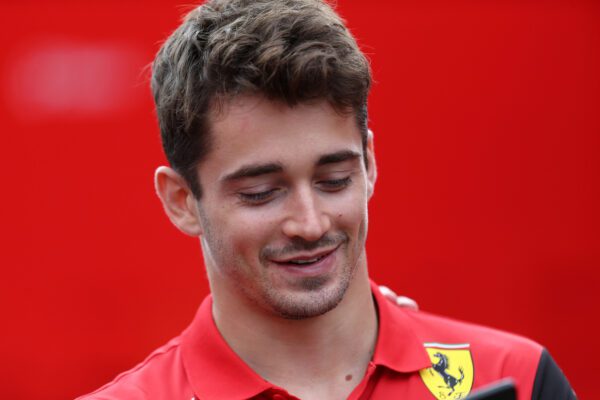
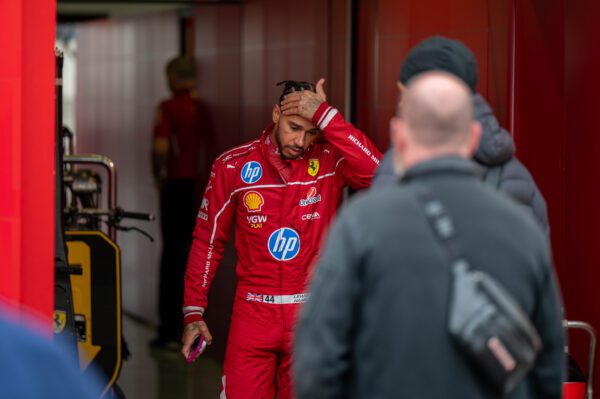
Examples for 2026 include Oracle Red Bull Racing and Scuderia Ferrari HP.
Principal Partners hold a significant position, often with prominent branding on the car’s sidepods or rear wing. These partnerships typically include substantial hospitality access, content rights, and opportunities for driver appearances.
The value for principal partners is often measured in broadcast and social media exposure, directly correlating with the team’s on-track performance.
Official Partners usually secure category-specific rights, allowing them to leverage the team’s intellectual property for their own marketing campaigns. This tier focuses on amplifying the brand’s existing marketing efforts through association with the team.
The value here is often seen in the uplift of creative testing with and without the team’s branding.
Technical Partners or Official Suppliers provide products, services, or expertise to the team, often through value-in-kind agreements. These partnerships offer product credibility, demonstrating the quality and performance of their offerings in a demanding environment.
Pirelli, as the exclusive official tire partner, exemplifies a technical partnership at the championship level.
Benefits for brands and teams in Formula 1
For brands, Formula 1 sponsorship offers unparalleled global visibility, reaching an audience of 1.83 billion people with over 1.5 billion global television viewers. Logos appear prominently on cars, team uniforms, and trackside signage, strengthening a company’s marketing position.
This exposure is amplified by the sport’s high-profile events and media coverage.
Brands benefit from association with Formula 1’s core values of speed, precision, technology, innovation, and global prestige. This alignment can enhance a brand’s image, credibility, and market position, leading to increased consumer trust and acquisition.
The sport’s growing popularity, partly fueled by content like Netflix’s ‘Drive to Survive,’ attracts diverse and younger audiences.
Beyond visibility, F1 sponsorships provide unique networking opportunities through exclusive paddock access, garage tours, and driver meet-and-greets. These corporate hospitality packages are invaluable for building B2B relationships and entertaining clients.
Brands can also engage fans through creative social media campaigns, virtual events, and exclusive experiences.
For Formula 1 teams, sponsorships are absolutely essential for financial stability and competitiveness. F1 is one of the most expensive sports globally, requiring significant investment in advanced technology, talent, and operational costs.
Sponsorships fund everything from engine development and aerodynamic testing facilities to staffing, logistics, and driver development programs.
The financial support from sponsors ensures teams can attract top-tier engineers, designers, data analysts, and support staff. Title partners, in particular, bring financial predictability that enables multi-year planning and sustained engineering investment.
This allows teams to remain competitive and deliver thrilling races.
Costs and investment in Formula 1 sponsorship
The cost of Formula 1 sponsorship varies dramatically depending on the partnership tier, the chosen team, and the specific activation rights included. In 2026, sponsorship deals range from approximately $2 million annually for smaller partnerships to over $110 million for title naming rights with a top team.
A mid-tier deal, such as logo placement on a midfield team’s sidepods, averages around $10 million per year.
Title sponsorship of a top team can command nine-figure annual sums. For instance, Oracle’s title deal with Red Bull Racing is reported to be around $110 million per year in 2026.
HP’s partnership with Ferrari is estimated at $100 million annually, and Mastercard’s deal with McLaren is approximately $90 million.
Championship-level partnerships with Formula 1 itself also involve substantial investment. Global Partner slots typically range from $40 million to $50 million annually, though some, like LVMH’s multi-brand deal, are reported to be as high as $150 million per season.
Official Partner tiers are roughly half the global partner rate, placing them around $20 million to $25 million annually.
Factors influencing sponsorship costs include the team’s performance and heritage, with top teams commanding higher prices. Geographic reach, activation rights such as driver appearances and hospitality, and exclusivity within a product category also significantly shape the investment required.
Most team deals require a commitment of at least two years.
Formula 1 team title sponsors in 2026
The 2026 Formula 1 season features eleven teams, with most having secured prominent title sponsors. These partnerships are crucial for team identity and financial backing.
The landscape of title sponsors in 2026 shows a strong presence of technology, fintech, and energy brands.
Cadillac is the only new F1 team in 2026 without a confirmed title sponsor at the start of the season, a strategic choice to preserve the slot for 2027. Despite this, Cadillac has secured other significant partners like Tommy Hilfiger as its official apparel partner and Tenneco as an official technical partner.
| Formula 1 Team (2026) | Title Sponsor (2026) | Reported Annual Value (USD) |
|---|---|---|
| Oracle Red Bull Racing | Oracle | $110 million |
| Scuderia Ferrari HP | HP | $100 million |
| McLaren Mastercard Formula 1 Team | Mastercard | $90-100 million |
| Mercedes-AMG Petronas Formula One Team | Petronas | $75-80 million (estimated) |
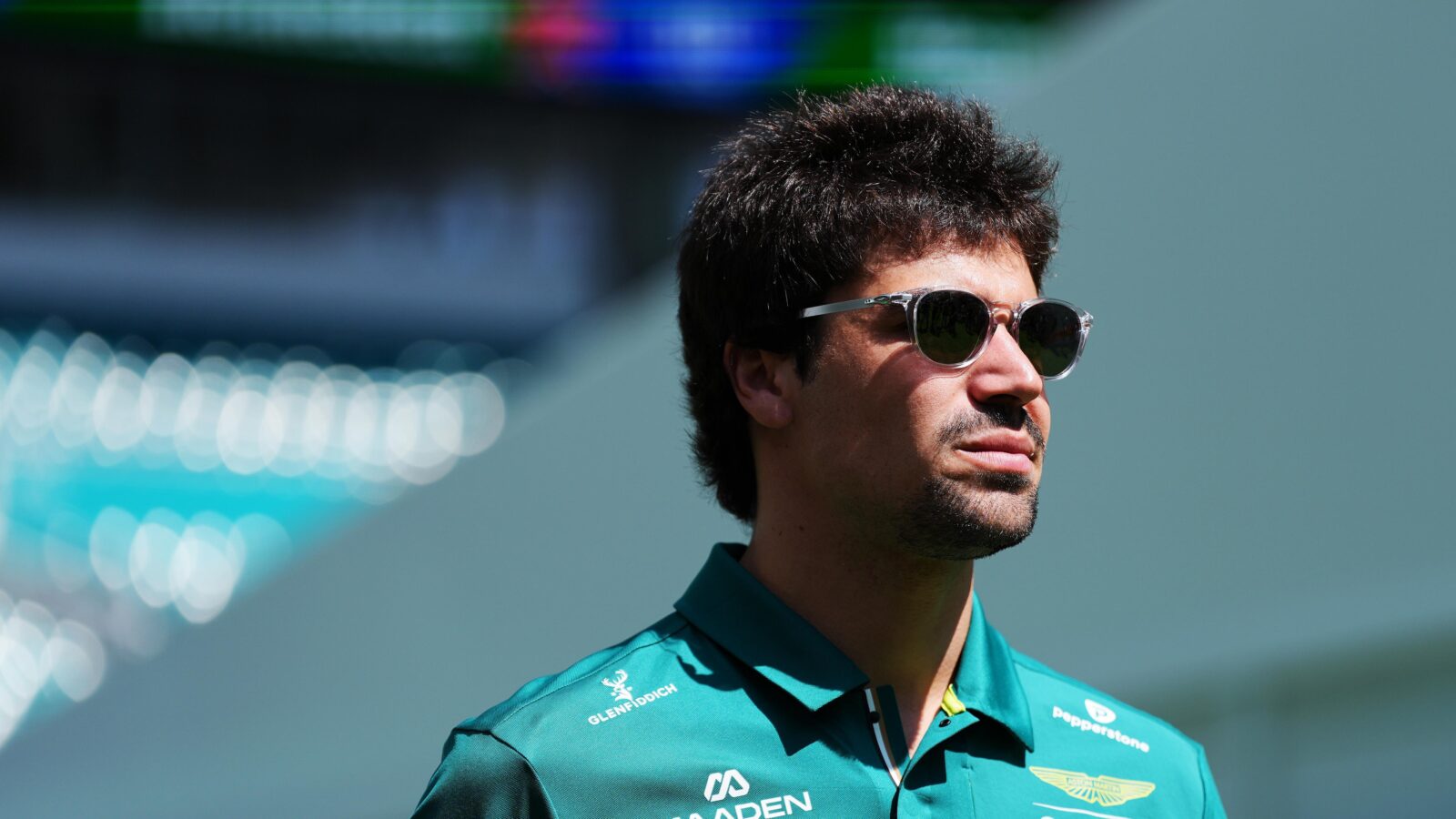
| Aston Martin Aramco Formula One Team | Aramco | $75 million (estimated) |
| Audi F1 Team | Revolut | Not disclosed |
| BWT Alpine F1 Team | BWT | Not disclosed |
| Williams Atlassian Racing | Atlassian | Not disclosed |
| TGR Haas F1 Team | Toyota Gazoo Racing | Not disclosed |
| Visa Cash App Racing Bulls | Visa/Cash App | Not disclosed |
| Cadillac F1 Team | No confirmed title sponsor | N/A |