



Williams has introduced a three-part aerodynamic upgrade package for its FW48 chassis at Spa-Francorchamps. The modifications aim to enhance both aerodynamic efficiency and overall performance for the Belgian Grand Prix. This development includes a new floor body, updated rear brake duct winglets, and a circuit-specific floor trim.
The primary update is a revised floor body, featuring changes to the central section of the diffuser. Williams has increased the diffuser’s expansion volume. This design alteration is intended to optimise airflow underneath the car and improve aerodynamic performance across a wider operating range.
According to the team’s technical submission, the objective is to modify how the diffuser generates downforce under varying conditions. The team stated, ‘An updated main floor profile which adds volume to the central part of the diffuser. To change the distribution of diffuser expansion volume across the car operating envelope.’
By reshaping the diffuser, Williams seeks to deliver more consistent rear downforce. This is also expected to improve the car’s aerodynamic stability through different cornering speeds and ride heights.
In addition to the new floor design, a circuit-specific modification has been applied to the floor body. Engineers have implemented a local trim to the rear section of the floor. This adjustment aims to optimise the balance between downforce and drag specifically for Spa-Francorchamps.
The team noted, ‘A local trim has been applied to the main Floor Body. A further circuit specific change, altering the balance between downforce and drag at the rear of the main floor.’ This reflects Spa’s unique aerodynamic demands, where minimising drag on long straights is crucial without compromising high-speed corner performance.
Completing the upgrade package is a revised rear brake duct winglet array. This is another circuit-specific change designed to reduce aerodynamic loading around the rear corners of the car. Williams states this modification improves local aerodynamic efficiency while suiting the lower-downforce requirements of the Belgian circuit.
The team’s technical submission indicated, ‘To suit the demands of the Spa-Francorchamps circuit, we have reduced the loading on the rear corner which offers a local efficiency improvement.’ This update is expected to contribute to improved straight-line efficiency while maintaining stable airflow around the rear wheels.
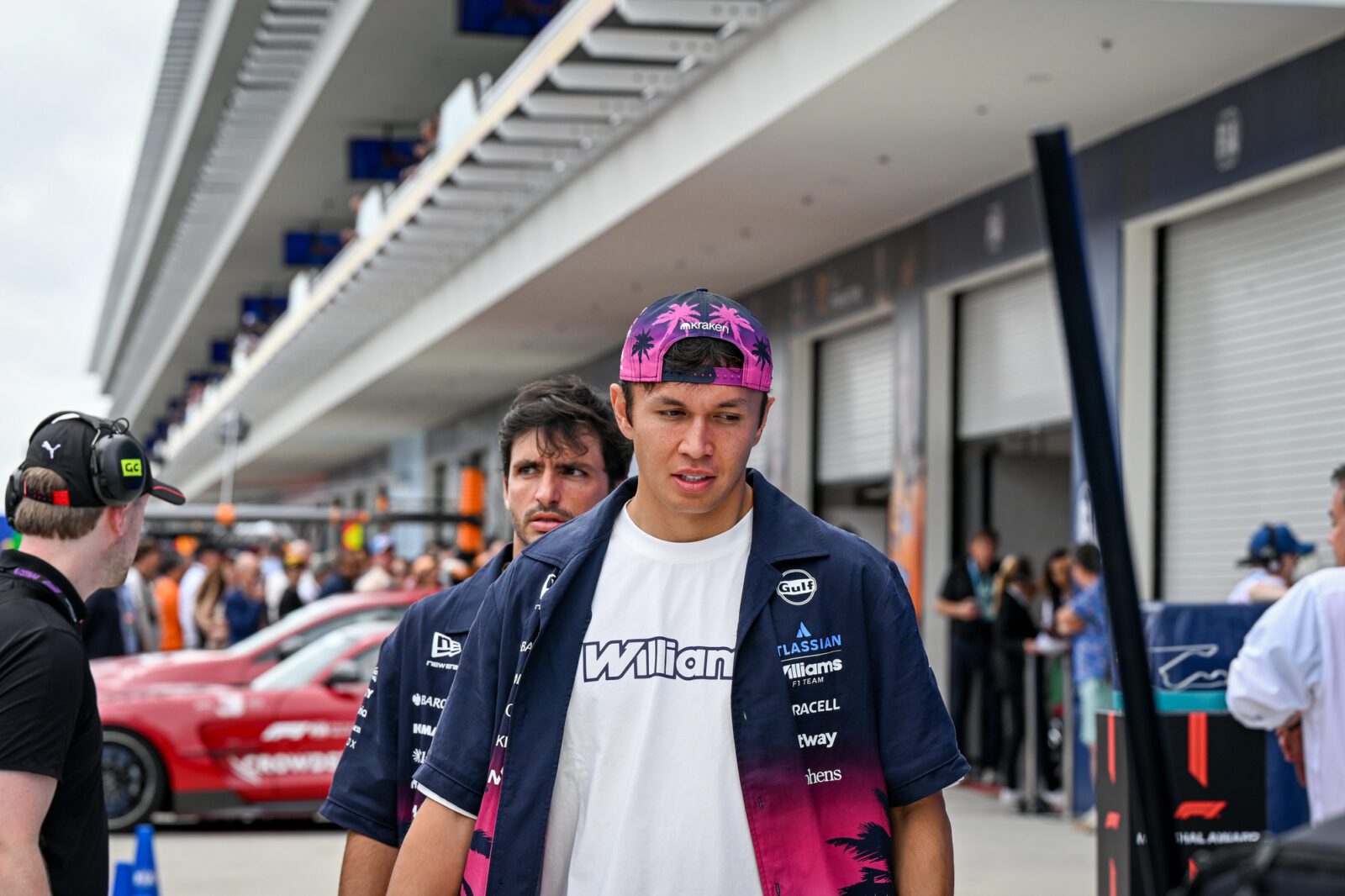
The FW48, driven by Alexander Albon and Carlos Sainz Jr., has faced a challenging 2026 season. The car missed the pre-season shakedown in Barcelona due to production delays and was initially overweight.
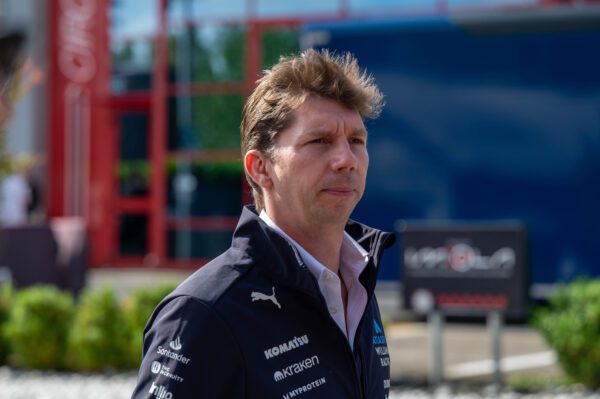
Williams currently sits eighth in the Constructors’ Championship, having scored limited points this season. Team Principal James Vowles has acknowledged that the rate of performance addition to the car has not been sufficient to move the team forward.
Vowles previously outlined an upgrade plan that included a ‘medium-sized’ package for Silverstone, followed by ‘small pieces’ for Spa and Budapest. Larger elements, including weight reduction, are planned for Zandvoort, with an ‘almost completely new car’ expected for the Azerbaijan Grand Prix in September.
Carlos Sainz Jr. has expressed concerns regarding the team’s progress, noting that despite shedding weight from the FW48, the gap to the front and the midfield leaders has continued to increase.
The FW48 incorporates active aerodynamics, featuring movable front and rear wings. These systems are designed to shift between a high-downforce ‘Z-mode’ for corners and a low-drag ‘X-mode’ for straights, aligning with the 2026 regulations.
Williams needs to understand what they have been doing.
Vowles stated in July that an internal review was being conducted to understand the team’s development trajectory across the season. This review aims to define future development for the remainder of the current season and into 2027.