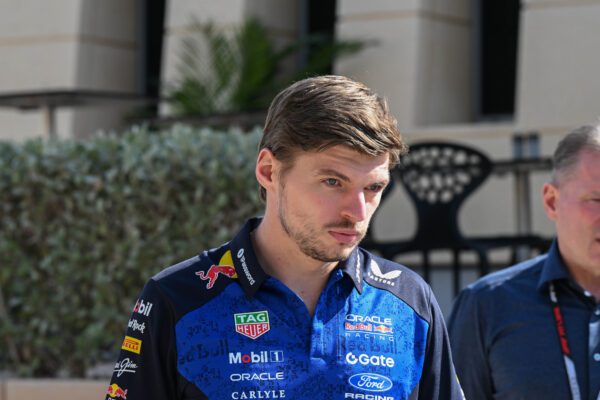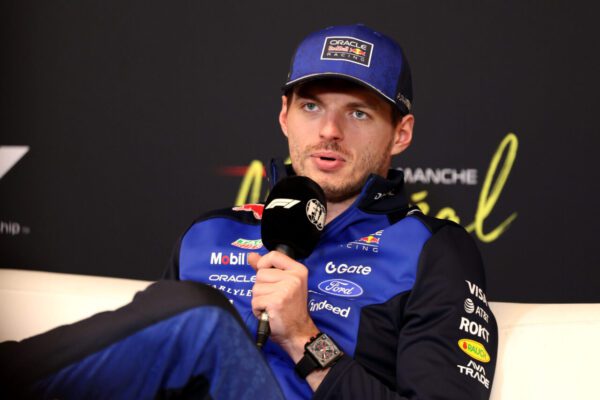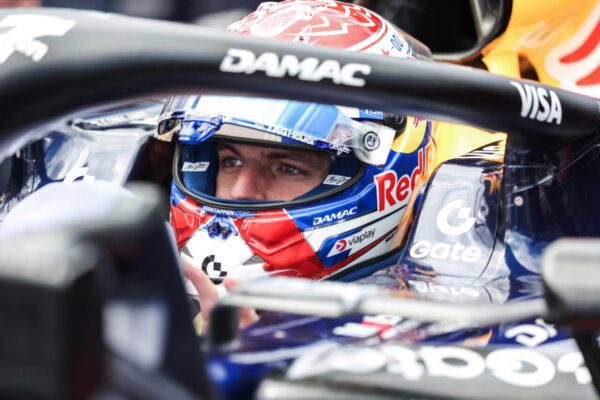




Max Verstappen has described the nature of Formula 1 battles under the 2026 technical regulations as ‘funny,’ indicating a perceived lack of driver input in certain scenarios. His comments suggest that the new car characteristics and regulatory framework diminish the challenge of wheel-to-wheel racing.
The reigning world champion specifically noted that in some overtaking situations, drivers ‘literally don’t have to do anything.’ This observation points to the significant impact of the revised technical rules implemented for the current 2026 season.
Central to the 2026 regulations are the new power unit specifications, which mandate a 50% internal combustion engine and 50% electrical power split. The MGU-H component has been removed, with the MGU-K’s electrical output significantly increased to 350kW.
Alongside the power unit changes, the chassis regulations have introduced smaller, lighter cars, targeting a weight of 768kg. These cars feature active aerodynamics, a key element influencing Verstappen’s remarks.
The active aero system allows for adjustable front and rear wings. A ‘Z-mode’ is used for standard cornering, while an ‘X-mode,’ or override mode, reduces drag on straights. This system is designed to manage energy deployment and enhance efficiency.
Verstappen’s criticism stems from the belief that this active aerodynamic system, particularly the override mode, could make overtakes overly prescriptive. He suggests it reduces the raw skill required in close combat, as the car’s systems heavily dictate the outcome.
Early season reports and driver feedback from 2026 have highlighted the complexities of integrating these new power units and active aero. Technical analysts have also raised concerns about the potential for racing to become artificial.
The objective of the 2026 regulations was to promote closer racing and reduce ‘dirty air.’ However, the implementation has led to discussions regarding the balance between technological advancement and maintaining driver challenge.
Team principals, including Toto Wolff and Christian Horner, have acknowledged the engineering challenges presented by the new rules. While some remain optimistic about the potential for improved racing, others have noted the possibility of unintended consequences on the spectacle.