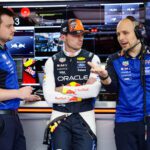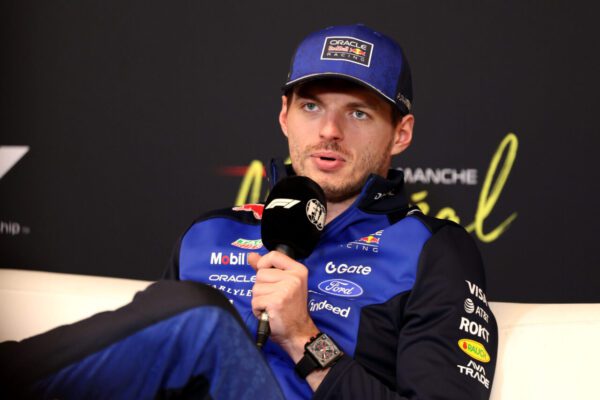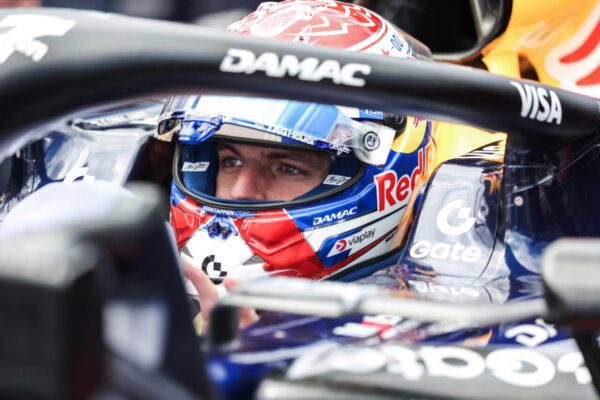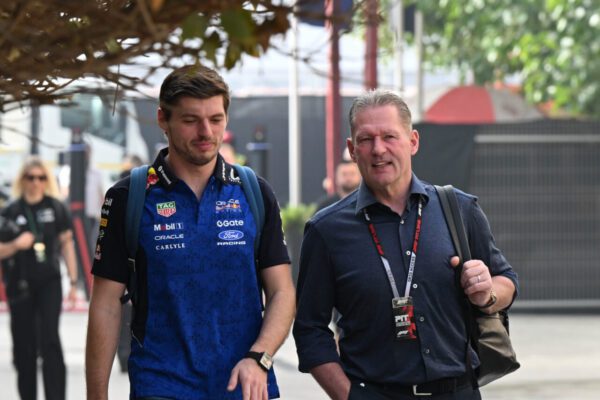



Red Bull Racing faces a significant strategic decision regarding Max Verstappen’s long-term commitment to the team. The choice revolves around securing his future beyond his current contract or preparing for a potential departure. This pivotal moment comes amidst ongoing speculation within the Formula 1 paddock.
Verstappen’s existing contract with Red Bull is set to conclude at the end of the 2028 season. However, it is widely understood that this agreement contains performance-based exit clauses. These provisions allow for an earlier departure under specific competitive conditions.
Following the British Grand Prix on July 5, Verstappen is currently seventh in the Drivers’ Championship standings. With only two races remaining before the summer break, it is mathematically impossible for him to achieve a top-two or top-three position. This outcome means the contractual exit clause can now be activated.
Red Bull’s 2026 car has not demonstrated consistent competitiveness this season. Verstappen has secured only two podium finishes in nine Grands Prix. Recent reliability concerns, including rear-wing failures at the Austrian and British Grands Prix, have added to the team’s challenges.
In an attempt to secure Verstappen’s continued tenure, Red Bull GmbH reportedly offered €8 million to buy out his exit clause. Verstappen, however, declined this offer. He has consistently prioritized a competitive car capable of winning races over additional financial incentives.
Verstappen’s manager, Raymond Vermeulen, has stated that while loyalty to Red Bull is present, ‘Max wasn’t born to race in the midfield.’ Verstappen himself has expressed discontent with the sport’s technological direction and regulations.
Mercedes-AMG Petronas Formula One Team had previously expressed strong interest in Verstappen, particularly after Lewis Hamilton’s move to Ferrari for 2025. However, recent reports from July 7 indicate Mercedes ‘turned down’ Verstappen. This decision was reportedly due to his demand for a three-year contract, as Mercedes prefers shorter deals for 2027 with George Russell and Kimi Antonelli.
Russell has publicly affirmed his commitment, stating he will ‘100 per cent’ be driving for Mercedes in 2027. This clarifies Mercedes’ immediate driver lineup intentions.
Attention has now shifted to McLaren, with whom Verstappen is reportedly in the closing stages of negotiations. Reports suggest that talks were initiated by Verstappen’s representatives.
The team’s internal structure has seen significant changes, influencing driver considerations. Adrian Newey, Chief Technical Officer, departed Red Bull effective early 2025. Christian Horner, former Team Principal, also left after the 2025 British Grand Prix, with Laurent Mekies taking over.
Former Red Bull motorsport advisor Helmut Marko, who departed the team at the end of 2025, has consistently emphasized the primacy of competitiveness for top drivers. He previously stated that ‘all top drivers have performance-based exit clauses in their contracts.’
‘For him, competitiveness always comes first,’ Marko stated. ‘All top drivers have performance-based exit clauses in their contracts. Discussions are likely taking place on that front right now.’
The upcoming 2026 technical regulations, particularly concerning new power unit designs, are a major determinant in driver market decisions. Teams are evaluating their long-term prospects under these revised rules.
Red Bull also faces decisions regarding Sergio Pérez, whose contract expires at the end of the current 2026 season. This means the team must consider its entire driver lineup for 2027. Junior drivers like Nikola Tsolov, Liam Lawson, and Daniel Ricciardo are potential candidates for future seats within the Red Bull system.
The outcome of Red Bull’s decision on Verstappen will significantly shape the team’s trajectory in the sport for the remainder of the decade. It also holds considerable implications for the broader Formula 1 driver market.