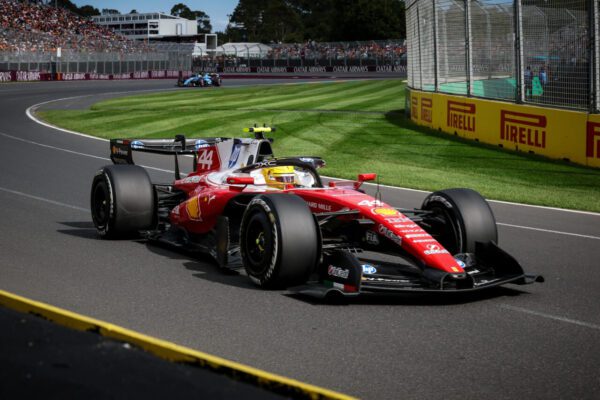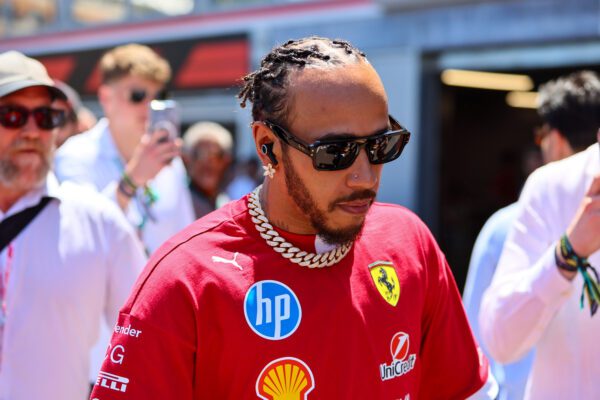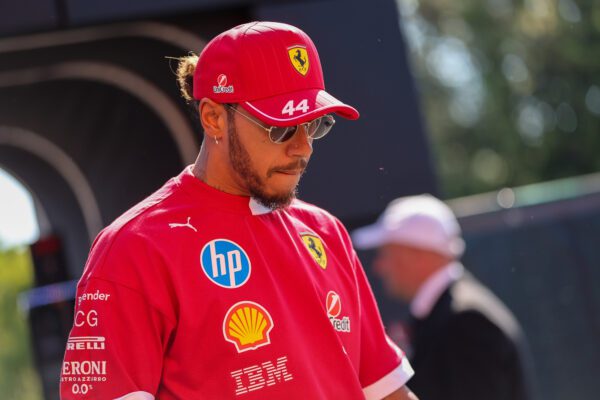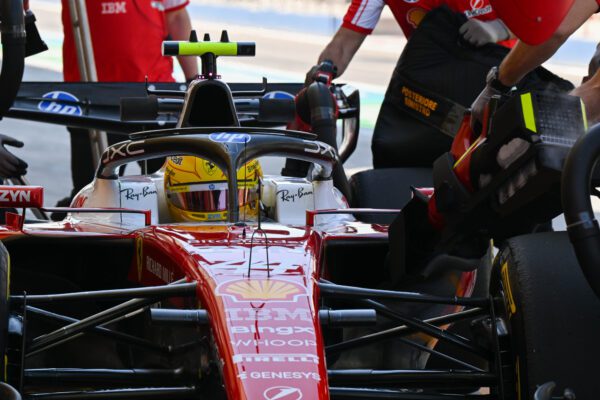




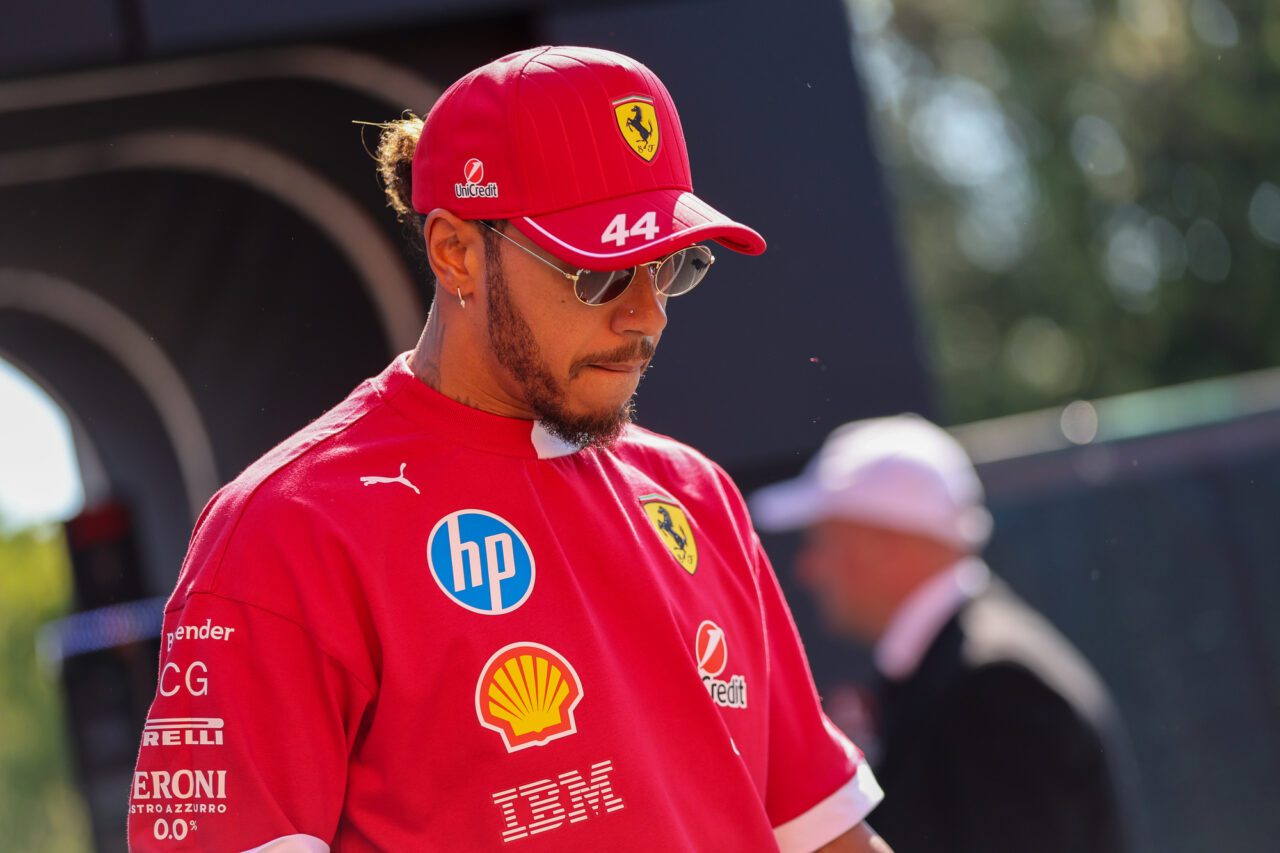
Ferrari driver Lewis Hamilton recently reduced his simulator time, citing issues with setup directions that did not translate effectively to the race track. This concern about simulator accuracy is shared by other drivers as the Formula 1 season progresses towards the Belgian Grand Prix at Spa-Francorchamps.
Alex Albon, driving for Williams, emphasized that simulator effectiveness relies heavily on its correlation with real-world conditions. He noted that confidence in the simulator is only possible when engineers can accurately reproduce the car’s characteristics, particularly tyre behaviour and overall vehicle dynamics.
Albon stated, ‘It’s a hard one because it really depends on the correlation of the car to the simulator. I think the more you can trust the tyre model and the car physics, and the better correlated the team can get it, then you do trust it.’
However, Albon acknowledged that any uncertainty regarding simulator accuracy makes it difficult for drivers to commit to virtual setup changes. He currently focuses his simulator work on mastering the new power unit regulations rather than chassis setup improvements.
Haas driver Esteban Ocon echoed these sentiments, reporting strong correlation on the power unit side but ongoing challenges in accurately reproducing chassis dynamics. He confirmed that Haas is actively working to improve the virtual model’s remaining aspects.
Ocon highlighted the simulator’s continued operational importance, with reserve driver Oliver Bearman spending significant time on race procedure preparation. This includes simulations for starts and practice starts.
Max Verstappen, driving for Red Bull, differentiated between using the simulator for driver setup and as a team development tool. He noted that poor correlation is problematic for setup work.
Verstappen stressed the simulator’s indispensable role for evaluating new technical updates and future concepts before they reach the circuit. He acknowledged that while simulator sessions may not always be rewarding for drivers, they are vital for engineers.
Modern F1 simulators are highly sophisticated, capable of replicating circuits and car behaviour with considerable accuracy. However, they cannot fully replicate the physical sensations of G-forces, heat, or fatigue experienced in a real car.
Real F1 cars generate lateral forces up to 5G, while advanced simulators typically max out at 1.5G to 2G. Motion cueing is used to simulate these forces, but experienced drivers can often discern the difference.
Tyre behaviour remains a complex challenge for accurate simulation. Real tyres exhibit intricate heating, degradation, and characteristic changes influenced by track temperature, driving style, and compound selection.
Pirelli, Formula 1’s official tyre supplier, relies heavily on simulations for tyre development due to limited real-world testing. They use advanced modelling software to predict tyre deformation and aerodynamic performance.
The 2026 technical regulations introduce a significant overhaul, featuring new chassis designs and power units with an increased emphasis on electrical energy, approaching a 50-50 split with the internal combustion engine.
This shift places greater importance on energy management, increasing the cognitive demands on drivers. Teams are already testing these 2026 cars in simulators.
Williams Team Principal James Vowles has urged drivers to temper their initial judgments on the 2026 cars from simulator runs. He noted that early impressions can be misleading, with drivers adapting to the new driving characteristics over repeated sessions.
McLaren Team Principal Andrea Stella also expressed optimism regarding the 2026 regulations, suggesting that collaborative work can ensure a positive outcome for the sport.
Reserve drivers play a crucial role in simulator development, particularly under the new 2026 regulations. They spend extensive hours correlating data and preparing the car for race weekends.
Luke Browning, Williams’ reserve driver for 2026, is involved in developing the car through data analysis and simulator work. Yuki Tsunoda serves as Red Bull’s test and reserve driver for the current season.
Younger drivers, often trained in digital-heavy junior categories, are frequently more adept at managing the complex energy-management protocols of the 2026 power units.