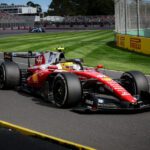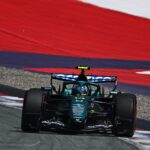
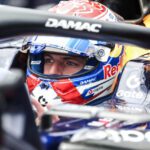
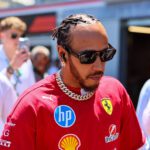
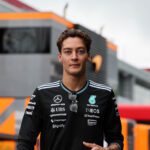
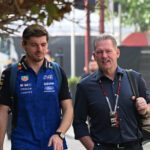
The upcoming Belgian Grand Prix at Spa-Francorchamps is anticipated to be significantly impacted by Formula 1’s 2026 energy management regulations. The new power unit formula, featuring a near 50/50 split between electrical and internal combustion power, presents a substantial challenge for all teams and drivers. Spa-Francorchamps is recognized as an ‘energy-starved’ circuit due to its long straights and limited heavy braking zones, which restrict opportunities for energy recovery.
Fernando Alonso has warned that optimal energy deployment strategies at Spa could force drivers to complete an entire sector with no electrical assistance. In such scenarios, the 2026 F1 cars would possess less power than current Formula 2 machinery. This highlights the critical nature of energy management on the seven-kilometre circuit, particularly through high-speed sections like Eau Rouge/Raidillon and the Kemmel Straight.
A key phenomenon of the 2026 regulations, known as ‘superclipping’, is expected to be prominent at Spa. Superclipping occurs when the MGU-K recuperates energy even at full throttle, diverting power from the rear wheels to the battery. This results in a noticeable reduction in acceleration mid-straight, particularly visible on the Kemmel Straight, where the electrical boost tapers above 290 km/h and ceases at 355 km/h.
McLaren team principal Andrea Stella has indicated that Spa’s long straights will likely lead to overtaking maneuvers dictated by energy deployment rather than traditional racing dynamics. The FIA has implemented five ‘Straight-line Mode’ zones for the Belgian Grand Prix, allowing active aerodynamics to reduce drag and optimize energy usage. These measures aim to mitigate the ‘yo-yo’ racing effect observed earlier in the season, where cars gained and lost positions based on battery charge.
Discussions following the opening races of the 2026 season have led to agreed regulatory changes for 2027 and 2028. The power delivery split between the internal combustion engine and the MGU-K will shift to 58/42 in 2027 and 60/40 in 2028, with increased fuel flow and ICE output. These adjustments are intended to address driver dissatisfaction with the current energy management demands.
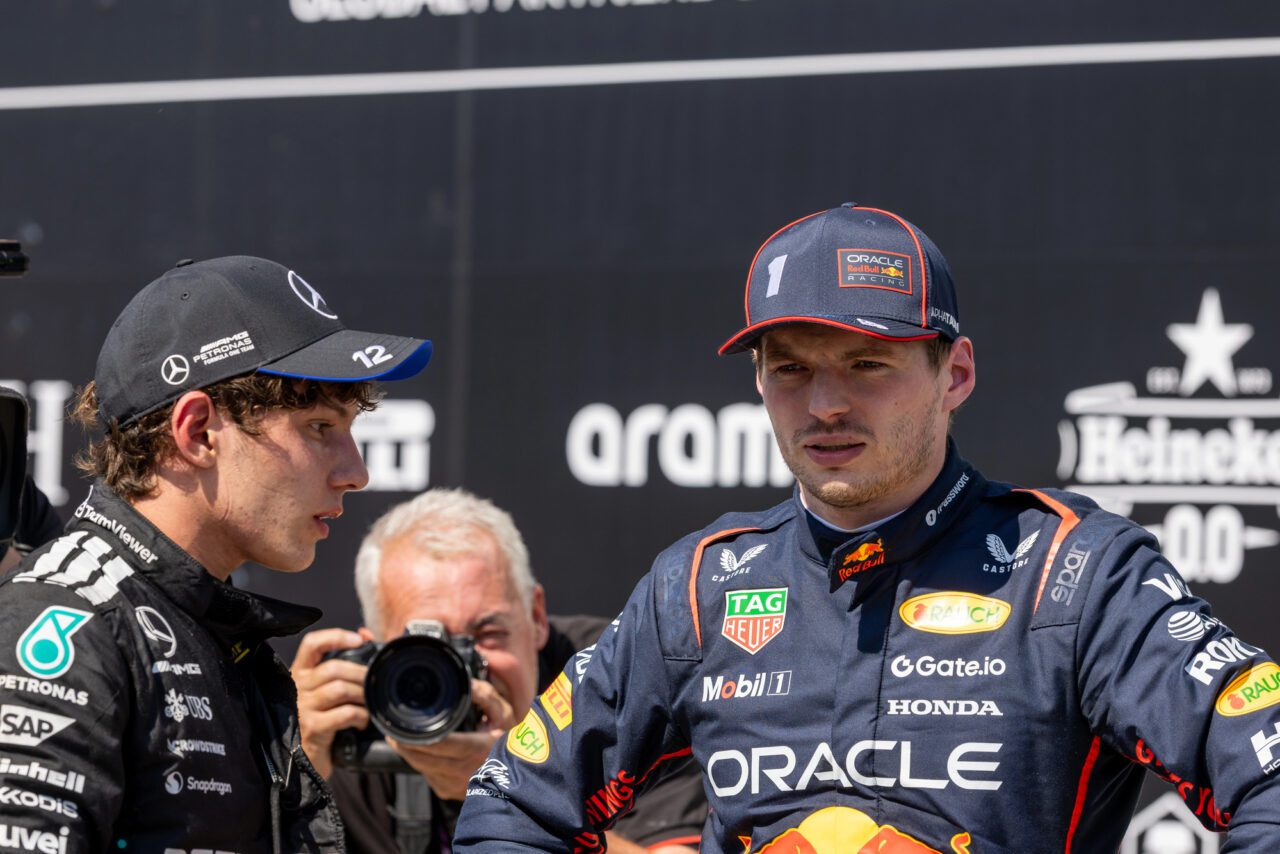
Andrea Kimi Antonelli, driving for Mercedes, enters the Belgian Grand Prix weekend as a strong contender. He currently leads the drivers’ championship, having secured five race wins, five pole positions, nine fastest laps, and ten podium finishes in the 2026 season. Antonelli notably won the Miami Grand Prix earlier this year, extending his championship advantage.
Isack Hadjar, Max Verstappen’s teammate at Red Bull, has demonstrated consistent performance, achieving a five-race run of top-six finishes. He outqualified Verstappen at Silverstone, securing P5 despite a wing issue during the race. However, Hadjar has faced challenges with race starts this season, losing significant positions due to anti-stall failures.
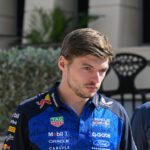
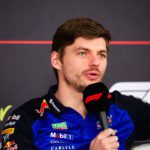
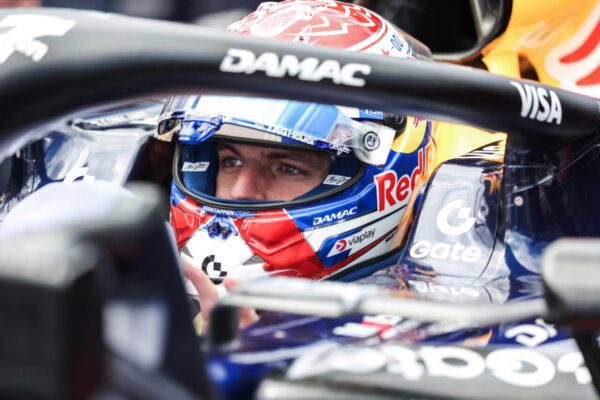
Red Bull’s 2026 season has been underwhelming, with the team generally positioned as the third-fastest, often contending with McLaren. Max Verstappen, currently seventh in the drivers’ standings with two podiums from nine races, has expressed concerns about the car’s balance and power unit issues. He spun off at Silverstone due to a rear wing malfunction and has completed simulator work to prepare for Spa’s energy management demands.
Other drivers expected to perform strongly include Gabriel Bortoleto and Oliver Bearman. Bortoleto, driving for Audi, scored points with a P9 finish at the Australian Grand Prix and showed strong pace at the Austrian Grand Prix. Oliver Bearman, representing Haas, has accumulated 17 points this season, including a P7 finish in Australia.
The forecast for qualifying at Spa-Francorchamps indicates a threat of rain. The circuit is known for its localized and unpredictable weather, which could further contribute to an unpredictable race weekend.