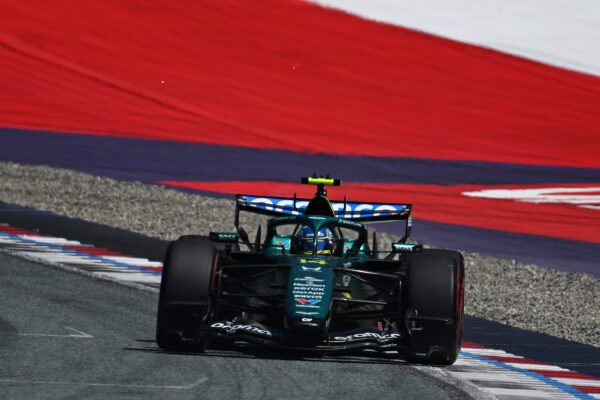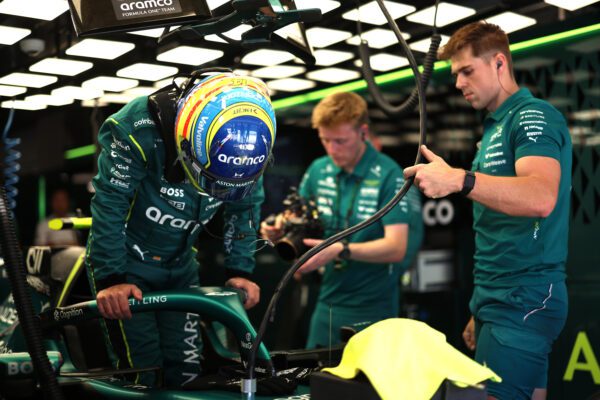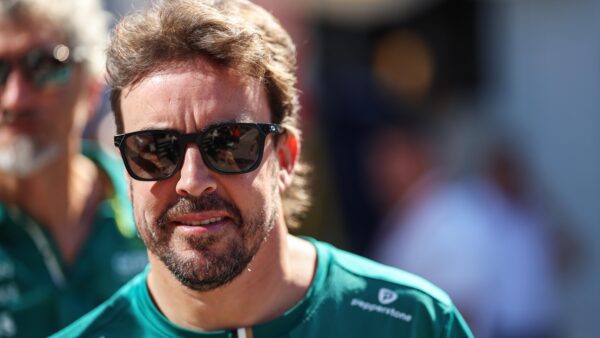

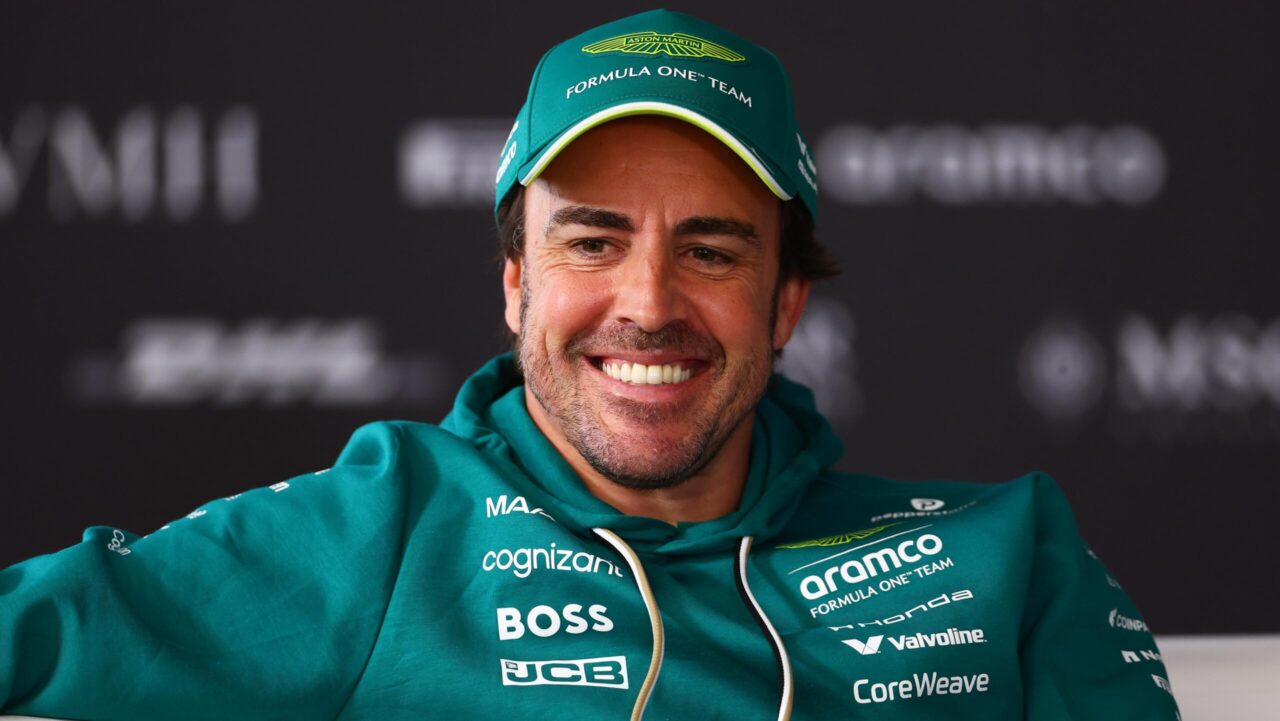
Fernando Alonso has voiced significant frustration with the current generation of Formula 1 cars, stating that their reliance on energy management diminishes driver skill. The Aston Martin driver expressed these concerns following the Spanish Grand Prix at the new Madring Circuit. He believes the circuit’s inherent challenges are not fully utilised by the present power units.
The Madring Circuit, which became the home of the Spanish Grand Prix this season, is a 5.4-kilometre hybrid track. It combines public roads with purpose-built sections, featuring high-speed corners and significant undulation. Drivers have largely praised its technical demands.
However, Alonso highlighted specific corners, such as La Monumental, Turn 12, where he feels driver bravery and precision should be paramount. Instead, he argues, performance is dictated by battery capacity.
‘It cannot be that Michael is faster than Max Verstappen if he has more battery, because Turn 12 is such an incredible corner that Max Verstappen has to be making the difference compared to Michael, and at the moment we can’t,’ Alonso stated.
This sentiment underscores a broader criticism of the 2026 power unit regulations. These rules mandate a 50-50 split between internal combustion engine and electrical power, a substantial increase in the electrical component from the previous 80-20 ratio.
The increased electrical emphasis necessitates extensive energy management, where drivers must carefully deploy and harvest battery charge. Alonso believes this detracts from the raw driving ability that should define Formula 1.
Beyond Alonso’s comments, the Madring Circuit itself has faced criticism regarding its layout for racing. Drivers noted significant difficulties with overtaking due to narrow sections and challenging corner entries.
Concerns were particularly raised about Turn 2 and the Turn 5-6 chicane, which proved restrictive for wheel-to-wheel action. Discussions are now underway to modify these areas to improve overtaking opportunities.
The FIA is aware of the ongoing criticism regarding the power unit balance. Further regulatory adjustments are anticipated from the 2027 season onwards to address these concerns.
FIA President Mohammed Ben Sulayem has advocated for a return to V8 engines by 2031, with a potential acceleration to 2030 if manufacturers agree. This move aims to simplify the sport and reduce costs.
Max Verstappen has also publicly supported a return to V8 engines, citing the superior driving experience offered by lighter, more responsive power units. This aligns with Alonso’s call for a focus on driver skill.
Alonso’s Aston Martin team, powered by Honda for the current 2026 season, has experienced performance and reliability issues. The Honda RA626H power unit suffered severe vibration problems and early season failures.
Aston Martin currently sits P10 in the Constructors’ standings, only ahead of new entrant Cadillac. A ‘Spec 2’ power unit upgrade at Zandvoort provided a marginal performance gain, which Alonso considered insufficient.
Honda Racing Corporation has announced a leadership change in its F1 power unit programme, with Yoichiro Fukao taking over as Large Project Leader from October 1, 2026. This aims to accelerate development for future regulations.
Honda has acknowledged the challenges in developing the 2026 power unit, which requires a compact engine, lightweight battery, and a powerful yet smaller combustion engine.
Alonso has engaged in discussions with FIA President Mohammed Ben Sulayem and regularly communicates with F1 CEO Stefano Domenicali regarding the sport’s direction.
Domenicali has expressed his desire for Alonso to continue in Formula 1 beyond 2026, suggesting that Aston Martin’s car competitiveness is a key factor in the Spaniard’s future decisions.