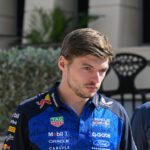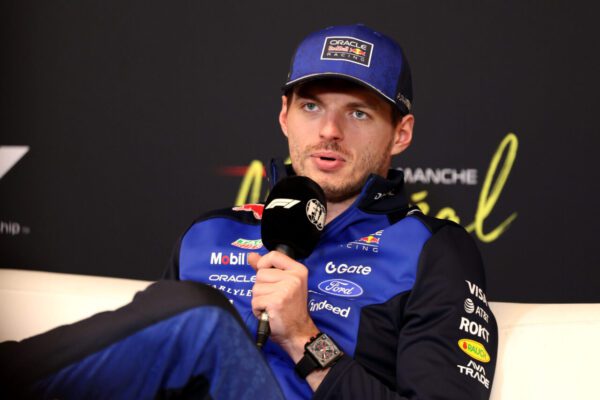

Jan Lammers, former Formula 1 driver and current sporting director for the Dutch Grand Prix, has offered an analysis of Max Verstappen’s driving capabilities. Lammers highlighted a ‘triangle of activities’ that he believes sets Verstappen apart on the grid.
This analytical framework focuses on three interconnected areas of cornering performance. Lammers specifically identified late braking, precise turning in, and efficient throttle application as these key elements.
Verstappen’s mastery of this ‘triangle’ was particularly evident during the recent Hungarian Grand Prix weekend. Lammers noted that the Hungaroring circuit placed less emphasis on energy management, allowing pure driving skill to make a greater difference.
Despite finishing second in Hungary, Verstappen expressed dissatisfaction, stating he did not understand how he achieved that result with the car. Lammers interpreted this as an indication of the significant challenges faced by other teams.
The 2026 Formula 1 regulations, which prioritize energy management, have reportedly diminished the impact of pure driving skill. Verstappen himself believes drivers cannot consistently make a difference through instinctive racecraft alone.
He has stated that performances often result from manipulating driving techniques and energy management systems. This contrasts with relying on natural driving instincts.
Despite these regulatory challenges, Verstappen’s driving standards have not declined. His adaptability remains a significant asset in the current technical landscape.
An example of this adaptability is his technique of using an extra downshift to take corners in first gear for energy recovery. This method, observed during testing, is now being copied by rival teams.
The Red Bull Racing car and engine package is designed to maximize battery charging under braking, facilitating the use of lower gears and higher revs. Verstappen effectively manages the dynamic reactions this causes.
Lammers previously emphasized the importance of Verstappen’s precise feedback to Red Bull Racing. This input is crucial for rapid car development and optimizing setup adjustments.
Verstappen’s comprehensive skill set, encompassing both raw talent and technical adaptability, continues to be a defining factor in his performance during the current 2026 season.