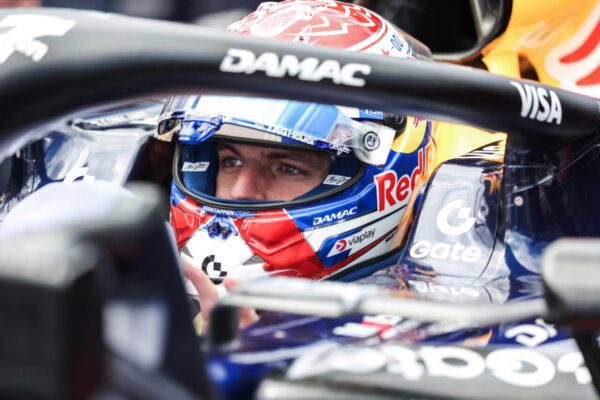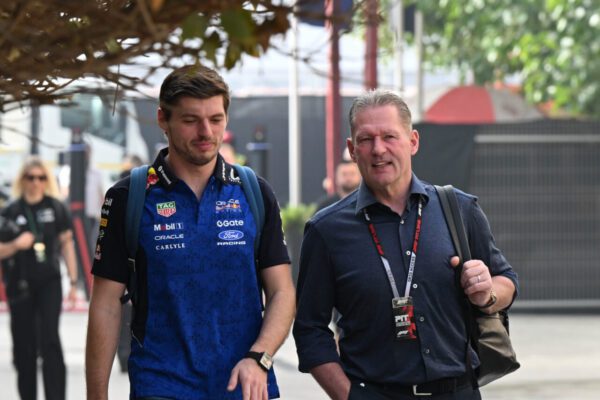



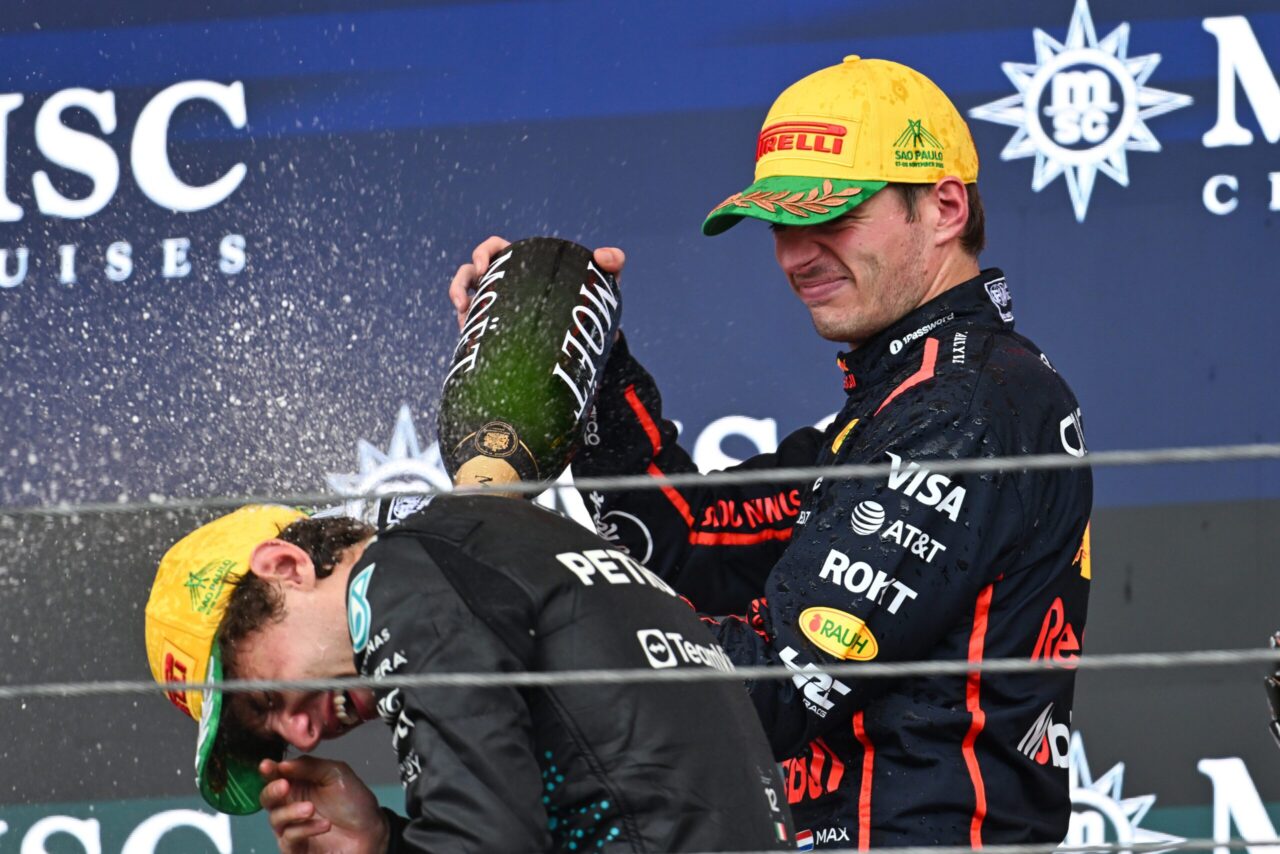
The fervent support for Max Verstappen’s fan base, widely known as the ‘Orange Army,’ has once again become a prominent talking point within Formula 1. This widespread engagement was particularly evident during the recent Dutch Grand Prix, which marked the final Formula 1 event at Circuit Zandvoort.
The 2026 Dutch Grand Prix, held from August 21 to 23, attracted a record attendance of 325,000 spectators over the three-day weekend. This figure represented the largest crowd in Zandvoort’s recent history on the F1 calendar, surpassing previous years.
Despite Max Verstappen’s early retirement from the race after crashing out on the first lap, the ‘Orange Army’ maintained a notable presence. The atmosphere created by these dedicated supporters has consistently transformed race weekends into significant events.
The Dutch Grand Prix’s departure from the calendar after 2026, due to financial considerations, brought a bittersweet sentiment to the record attendance. Sporting Director Jan Lammers addressed the fans, acknowledging their role in making the event impactful globally.
Amidst this fan enthusiasm, former AlphaTauri team principal Franz Tost has offered his perspective on the current state of Formula 1, particularly concerning the 2026 technical regulations. Tost, who briefly worked with Verstappen at Toro Rosso, has been vocal about the rule changes.
Tost believes the 2026 regulations have inadvertently disadvantaged drivers known for their aggressive late-braking style, including Verstappen. He stated that the new 50/50 power split between the internal combustion engine and battery forces drivers to lift off the throttle earlier.
This requirement for energy harvesting, according to Tost, eliminates a key strength for drivers like Verstappen. He suggested that the regulations have ‘legislated away’ the territory where Verstappen previously excelled.
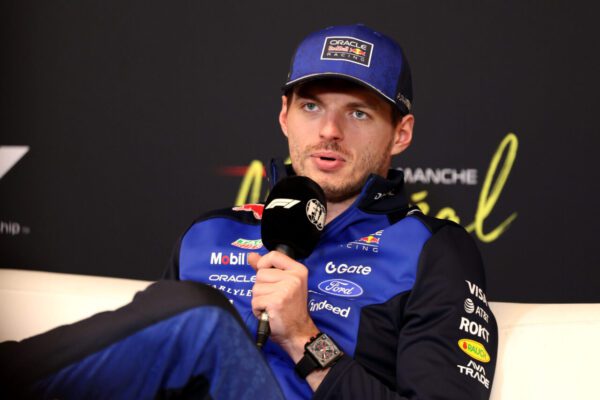
Max Verstappen himself has been a strong critic of the 2026 regulations, describing the racing as ‘terrible’ and akin to ‘playing Mario Kart.’ He has indicated that fans who enjoy the current racing might not fully understand the sport.
Verstappen’s dissatisfaction has led to suggestions that he is considering his future in Formula 1 if significant changes are not implemented. F1 CEO Stefano Domenicali has acknowledged these concerns, urging drivers to consider the broader perspective of the sport.
The ongoing discussions around the 2026 regulations highlight a contrast between the fervent fan engagement and the technical challenges faced by drivers. Adjustments to the power unit rules are being considered for the 2027 and 2028 seasons.