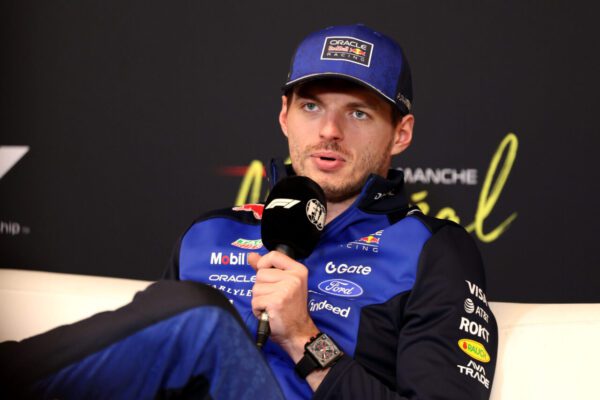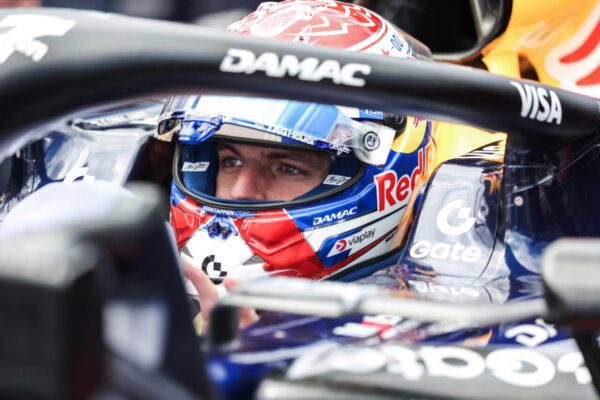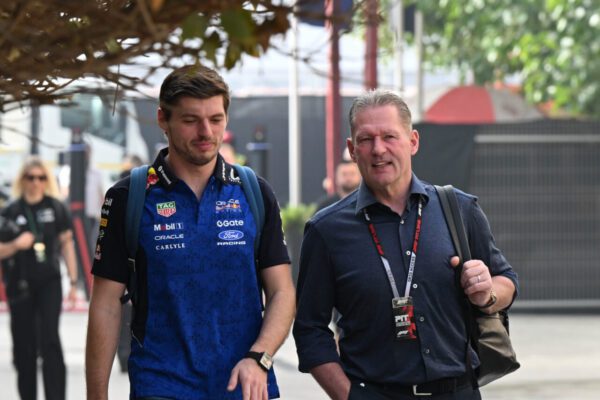
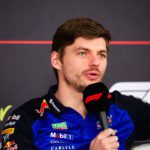
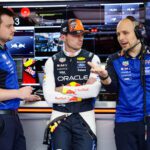

Max Verstappen has recently indicated a personal absence of competitive nerves in Formula 1. However, this perspective contrasts with his broader statements regarding the mental and emotional toll of the current 2026 regulations. The four-time world champion has been vocal about his dissatisfaction with the new technical framework.
Verstappen has described the 2026 Formula 1 cars as ’emotionally drained’ and ‘completely empty’ to drive. He has openly stated that he is ‘not enjoying it at all’ and finds the experience ‘mentally not doable’ under the present conditions.
His primary criticisms focus on the battery management requirements and the 50/50 power split between the internal combustion engine and electric power. Verstappen believes these aspects detract significantly from pure racing, likening the new cars to ‘Formula E on steroids.’
The Red Bull driver admitted earlier this season that he has to ‘convince himself again’ daily to maintain motivation. This ongoing struggle led him to ‘seriously consider quitting F1’ at one point during the challenging 2026 campaign.
Despite these reservations, Verstappen committed his long-term future to Red Bull Racing. In August 2026, he signed a contract extension that will keep him with the team until the end of the 2030 season.
This decision underscores his belief in the team’s ability to overcome the current regulatory hurdles and return to championship contention. He has expressed hope for meaningful changes to the regulations to improve the driving experience.
The 2026 season has proven difficult for Red Bull. The team currently sits sixth in the constructors’ standings. Verstappen is positioned sixth in the drivers’ championship with 145 points after 14 rounds.
Red Bull remains the only team within the top four of the constructors’ standings yet to secure a Grand Prix victory this year. Verstappen has achieved six podium finishes, but a win has eluded him.
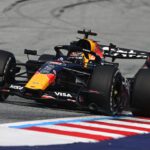
Technical issues have plagued the Red Bull RB22, including reliability concerns and an inconsistent through-corner balance. Verstappen experienced engine power loss and battery problems during qualifying at the recent Azerbaijan Grand Prix.
Despite the car’s limitations and technical setbacks, Verstappen has demonstrated improved form in recent races. He has secured five podiums in his last seven outings, including a second-place finish at the Azerbaijan Grand Prix.
At Baku, Verstappen finished just 0.196 seconds behind George Russell, showcasing his ability to extract performance even when the car is not at its peak.