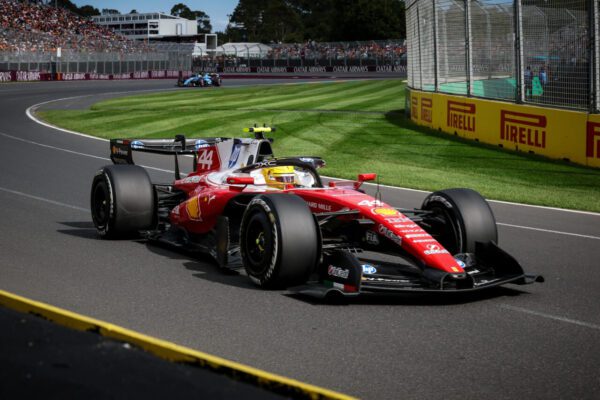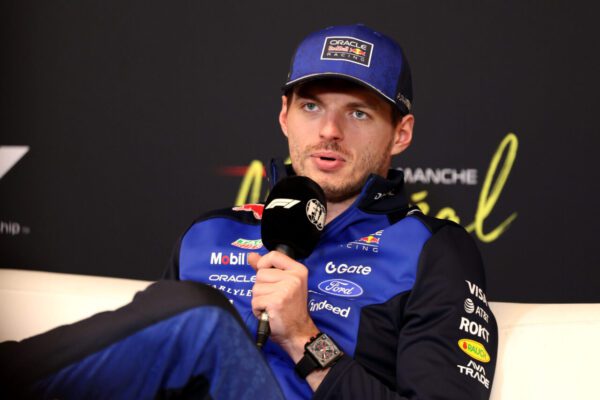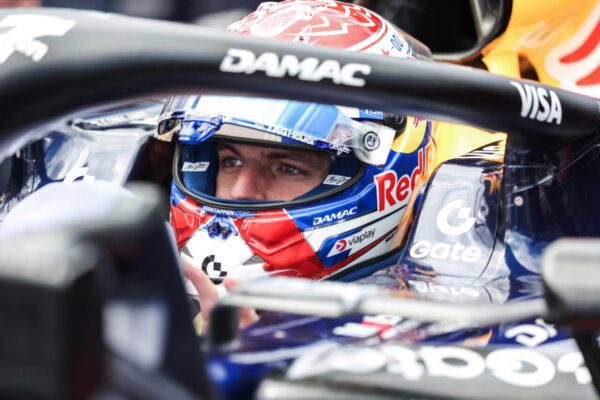




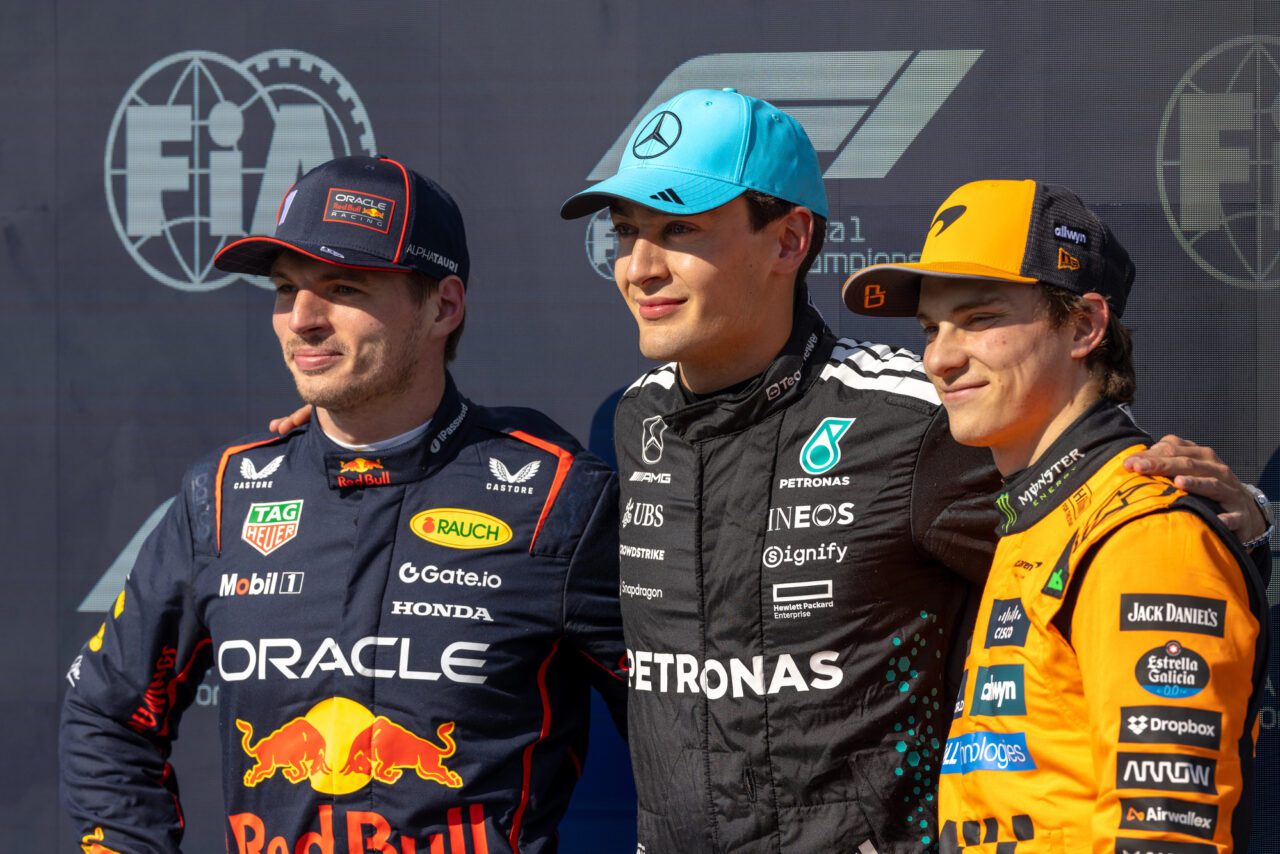
Max Verstappen and Lewis Hamilton have voiced unified, sharp criticism of the 2026 Formula 1 regulations. Their concerns peaked after qualifying for the Belgian Grand Prix, where the rules’ limitations became starkly evident at Spa-Francorchamps.
The core issue revolves around the new power units, which feature a near 50/50 split between electrical and internal combustion power. At Spa, the long straights and lack of heavy braking zones prevented sufficient battery recharging during a lap.
This resulted in drivers losing significant speed, with cars down by as much as 50km/h on the straights as their electrical deployment was exhausted. Both drivers expressed frustration with the on-track reality of the new rules.
Verstappen stated that for much of the second sector, the cars were running purely on the combustion engine. He compared the power level to that of a Formula 3 car, but with Formula 1 levels of downforce.
‘You can imagine that it isn’t very exciting to drive,’ Verstappen commented after the session.
Hamilton echoed these sentiments, noting the cars perform well in corners but are simply ‘not good on the straights’. The Ferrari driver questioned how the regulations were approved, suggesting the problems were foreseeable from early simulations.
‘I don’t know who made the decision. Whoever it is, they’ve still got their jobs,’ Hamilton remarked sarcastically. His comments reflect a belief that warning signs were apparent long before the rules were implemented.
The criticism is not new, as Verstappen has been a vocal opponent of the regulations throughout the season, previously calling them ‘anti-racing’ and like ‘Formula E on steroids’. Other drivers, including Carlos Sainz, have also voiced their concerns.
In response to the growing dissatisfaction earlier in the year, the FIA has acknowledged the drivers’ feedback. FIA Single-Seater Director Nikolas Tombazis stated the governing body is ‘fully open’ to making adjustments to the rules.
FIA President Mohammed Ben Sulayem also acknowledged that mistakes were made with the regulations. However, he noted that any significant changes require a supermajority approval from stakeholders, including the power unit manufacturers.
While some minor rule changes were agreed upon in April to address energy management issues, the fundamental problems highlighted at Spa remain. The unified stance of two of the sport’s most successful drivers adds significant pressure for further review.