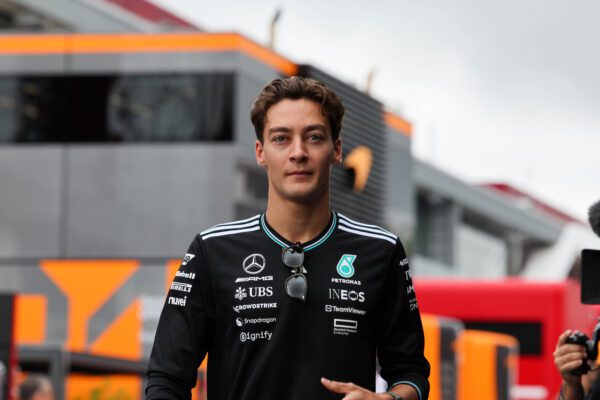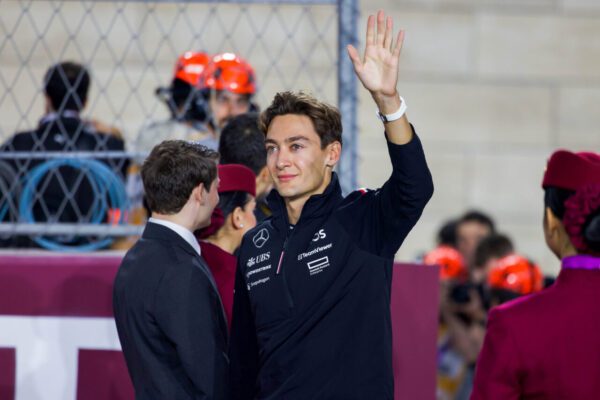



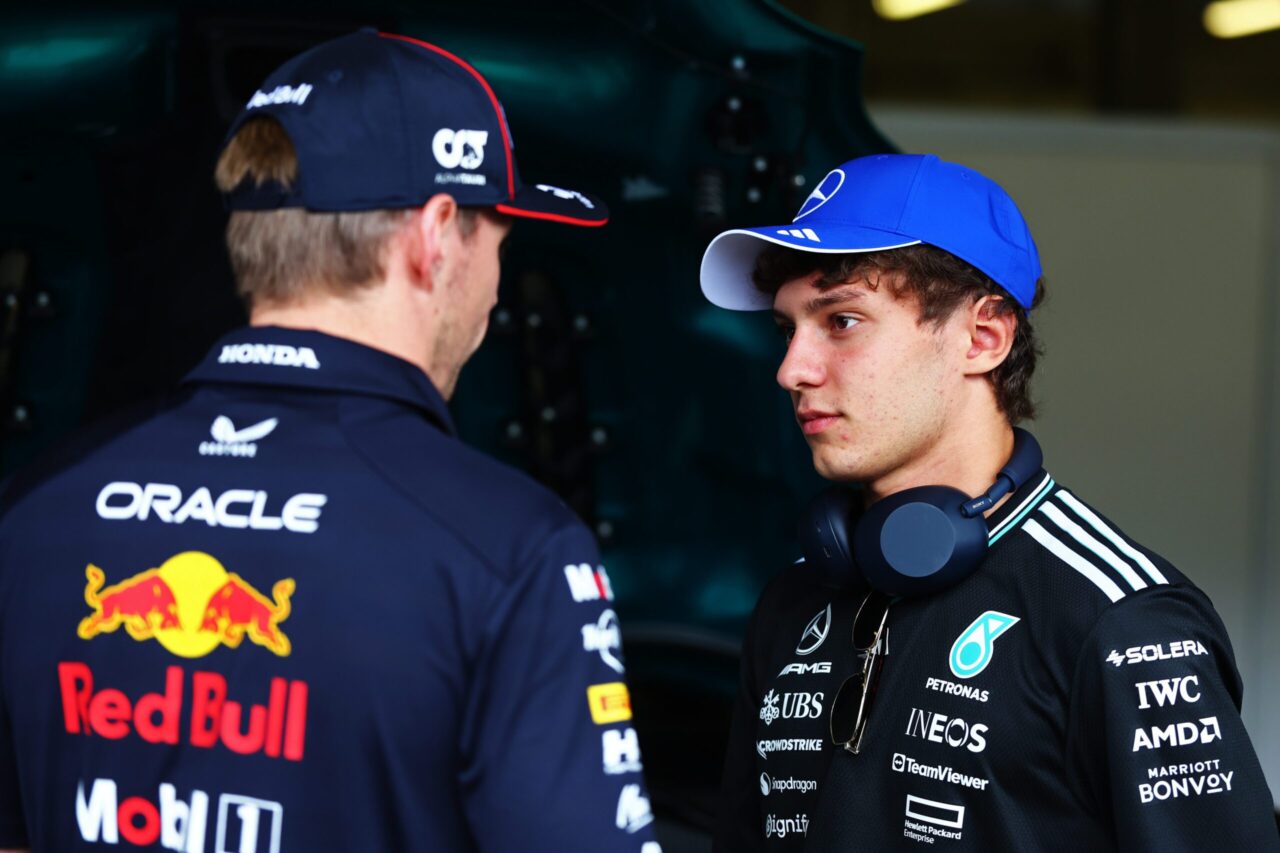
Mercedes team principal Toto Wolff has outlined a clear objective for the upcoming Belgian Grand Prix at Spa-Francorchamps: to translate the car’s front-running speed into strong results. The team heads into the event aiming to strengthen its championship position.
Wolff stated that recent races have highlighted both Mercedes’ strengths and areas requiring improvement. He noted that the team possesses a car capable of competing at the front and scoring heavily.
However, Mercedes has not consistently converted this potential into optimal results. Reliability issues have cost the team valuable points in a highly competitive 2026 season.
Wolff emphasized that there is no value in having pace if the team fails to secure the desired outcome. He added that Mercedes has ‘left too much on the table recently’.
The team’s aim for Spa is to execute cleanly, ensure necessary reliability, and convert the car’s performance into the points it is capable of scoring.
This weekend’s Belgian Grand Prix marks the final double-header before the Formula 1 summer shutdown. Mercedes intends to enter the break on a stronger note.
Mercedes currently leads both the Drivers’ and Constructors’ championships in the 2026 season. Kimi Antonelli holds the top position in the Drivers’ standings, with George Russell in second.
The team has secured seven victories from the nine races completed so far this season. Mercedes has also achieved all nine pole positions in Grand Prix qualifying sessions.
Despite this dominance, reliability has been a recurring concern. Antonelli experienced a mechanical failure at Silverstone, which cost him a likely victory.
Russell previously retired from the lead of the Canadian Grand Prix due to a battery issue. Antonelli also faced an electrical problem in Barcelona.
Wolff has acknowledged these reliability concerns, stating he would prefer a fast, albeit unreliable, car over a slow, reliable one. He believes Mercedes ‘should have won nine from nine’ races.
Spa-Francorchamps is recognized as one of the calendar’s most challenging circuits. The 7.004 km track is the longest in Formula 1.
Energy management will be a critical factor, similar to Silverstone, but the circuit’s characteristics present different demands.
The track’s long straights and high-speed corners place a premium on engine performance and aerodynamic efficiency. Drivers typically run a low-downforce setup to maximize straight-line speed.
This configuration can make the car more challenging to handle through certain corners, particularly in sector two. The powerful tow effect on Spa’s long straights is also a consideration.
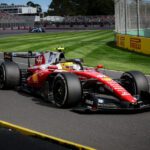
Ferrari emerged as a strong competitor at Silverstone, demonstrating unexpected aerodynamic efficiency and effective energy management with their SF-26.
Wolff anticipates Ferrari will remain a strong competitor for the remainder of the season. Lewis Hamilton, driving for Ferrari, is currently third in the Drivers’ standings.
‘The last few races have underlined both where our strengths are and where we need to improve. We have a car capable of fighting at the front and scoring heavily, but we have not converted that potential into the best possible results. Reliability issues have cost us points, and in a championship this competitive, that is something we cannot afford. There is no value in having the pace if we don’t bring home the result.’