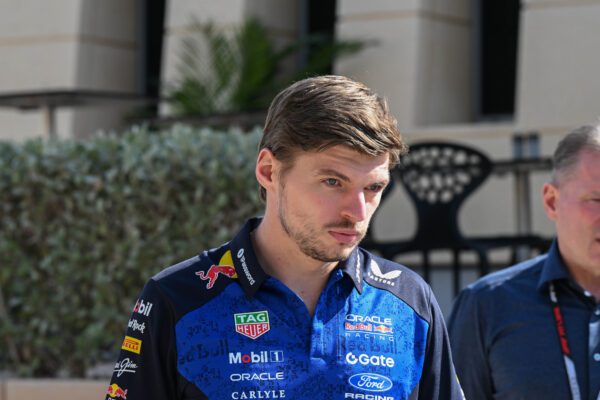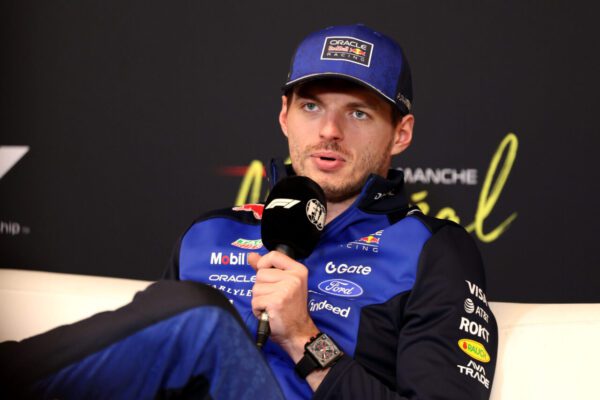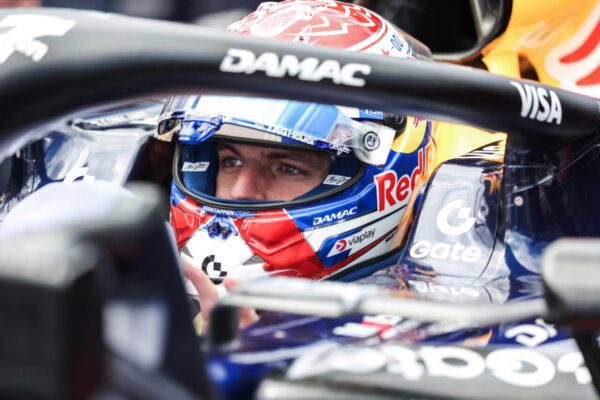



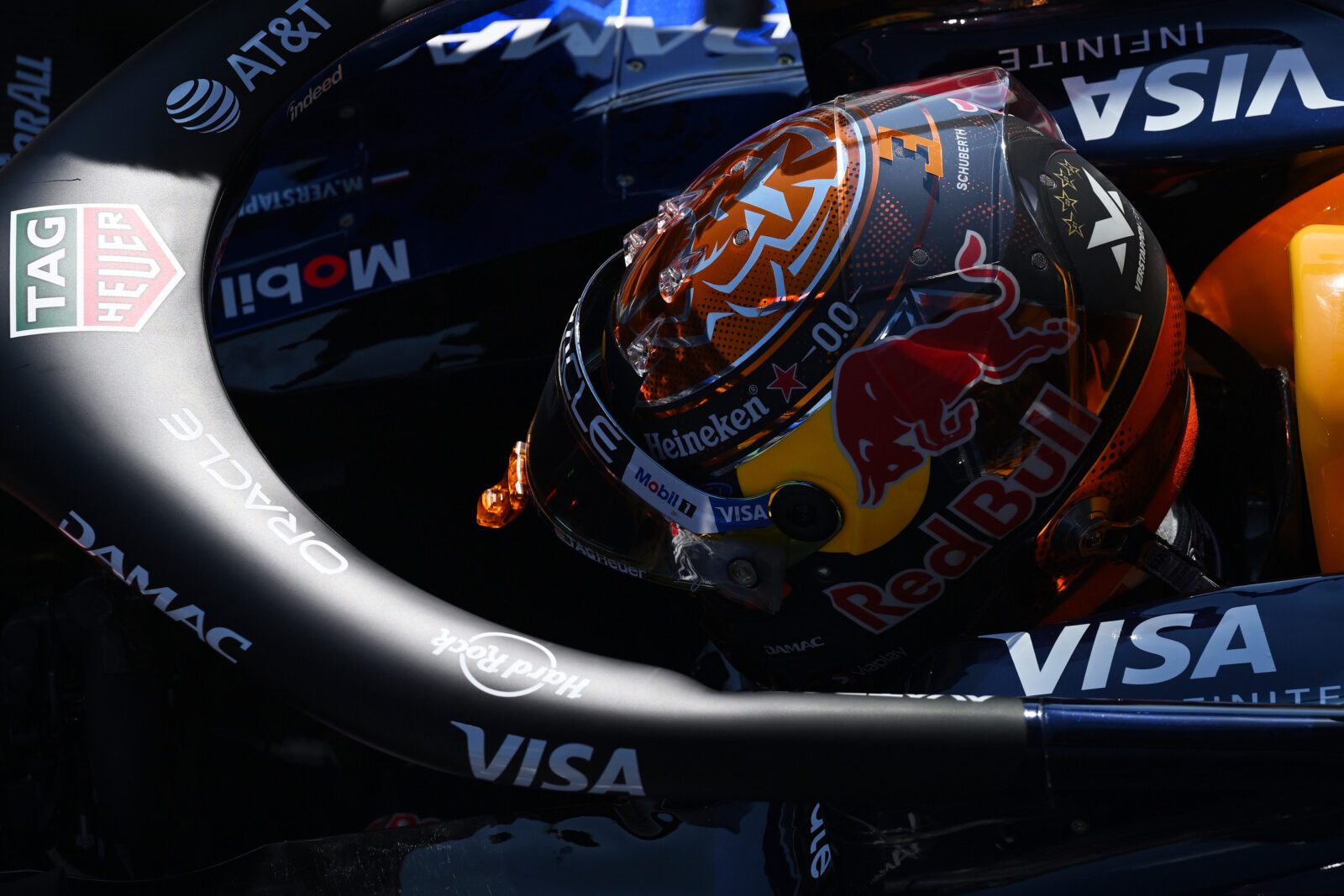
Red Bull Racing has significantly advanced the performance of its RB22 chassis, addressing an initial performance deficit that hampered the team earlier in the 2026 Formula 1 season. This development push has enhanced Max Verstappen’s prospects for race victories as the championship progresses. The team has been aggressively closing the gap to front-runners Mercedes and Ferrari.
The 2026 season introduced substantial technical regulation changes, including lighter, smaller cars and a revised power unit philosophy. These new rules mandate a near 50/50 split between internal combustion and electrical power, alongside the implementation of active aerodynamics.
Red Bull’s new power unit, developed in partnership with Ford under the Red Bull Ford Powertrains banner, has demonstrated considerable strength. This unit, which saw Ford return to Formula 1, is a 1.6-litre V6 hybrid engine.
Despite the power unit’s capabilities, the RB22 initially struggled with its chassis and aerodynamic platform. Reports indicated issues with overall balance, a lack of grip, and elevated tyre degradation. This led to the car being notably slower than its Mercedes and Ferrari counterparts.
Team Principal Laurent Mekies previously acknowledged the immense challenge of developing their own power unit for the 2026 regulations. He described the undertaking as a ‘mountain to climb’ for the Milton Keynes-based outfit.
Red Bull has implemented a comprehensive development programme for the RB22. Early-season updates included a redesigned front wing, nose, and rear wing to comply with new regulations. A significant flow-conditioning upgrade was also introduced.
Further technical revisions saw Red Bull adopt a double pushrod suspension layout for both the front and rear of the RB22. This marked a departure from their previous front pullrod setup, aiming for improved packaging and simplicity under the new rules.
These aggressive development efforts have allowed Red Bull to reduce the initial performance deficit. The team has been able to narrow the margin to its rivals, indicating a positive trajectory in car performance.
While Verstappen currently sits seventh in the Drivers’ Championship with two podium finishes and no wins this season, the recent improvements to the RB22 suggest increased competitiveness.
The active aerodynamic systems, featuring Straight Line Mode and Corner Mode, have been a key area of adaptation for all teams. Red Bull’s design allows for greater control over drag reduction and balance shifts.
The 2026 Pirelli tyres are also narrower and lighter, with a reduced range of compounds from C1 to C5. Teams must now adapt their strategies to these new tyre characteristics.
Red Bull’s commitment to overcoming its early-season challenges through continuous development positions Verstappen more favourably for upcoming race weekends. The team’s focus remains on extracting maximum performance from the RB22.