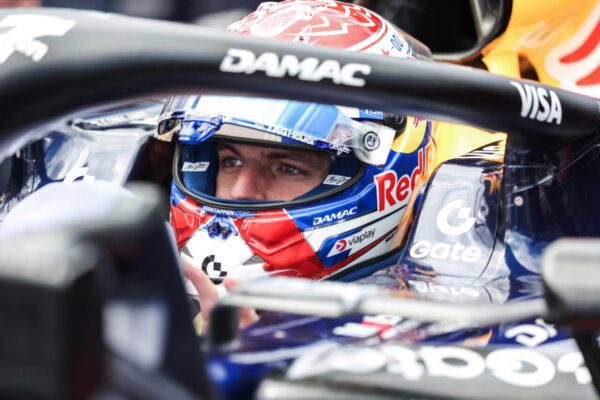



Red Bull Racing has expressed confidence regarding its prospects for the second half of the 2026 Formula 1 season. This outlook comes despite the team currently holding fourth position in the Constructors’ Championship standings. The Milton Keynes outfit has faced a challenging start to the year under the new technical regulations.
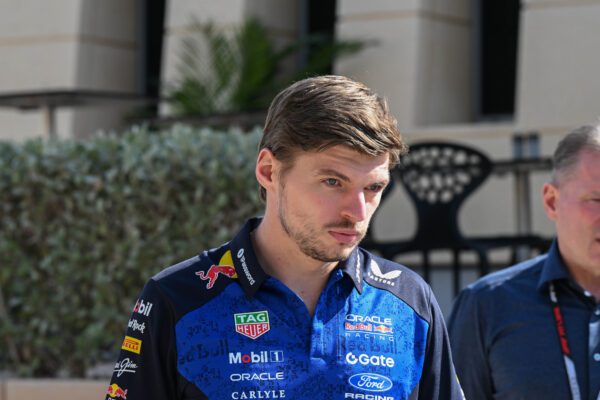
As of July 26, following the Hungarian Grand Prix, Red Bull Racing accumulated 177 points. This places them behind Mercedes, who lead with 379 points, Ferrari with 307 points, and McLaren on 220 points. Max Verstappen is currently sixth in the Drivers’ Championship with 109 points, while teammate Isack Hadjar sits eighth with 68 points.
A significant factor in Red Bull’s season is the introduction of their first in-house Red Bull Ford Powertrains engine. This marks a new era for the team, which previously relied on Honda power units. The RB22 is the first Red Bull car to feature this new power unit.
Former team principal Christian Horner, who departed Red Bull in September 2025, previously lauded the Red Bull power unit department. He noted an FIA ruling under the Additional Development and Upgrade Opportunities (ADUO) system. This ruling judged Red Bull to possess the strongest combustion engine at the season’s outset.
However, this designation carries a restriction: Red Bull is now ineligible to introduce further engine upgrades during the current season. This offers rivals an opportunity to close any performance gap. Early in the year, former Red Bull advisor Helmut Marko had voiced concerns about the engine’s initial competitiveness.
Marko, who concluded his advisory role with Red Bull in January 2026, had indicated that Mercedes appeared to be furthest ahead in engine development. Reports from January suggested Mercedes held a potential 15-horsepower advantage.
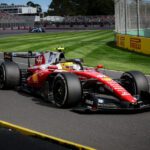
On the chassis and aerodynamic front, the 2026 regulations brought substantial changes. Red Bull implemented a comprehensive regulatory-driven package at the Australian Grand Prix. A significant flow-conditioning upgrade followed at the Japanese Grand Prix.
Further updates were introduced at the Austrian Grand Prix. These included adjustments to the sidepod inlet, engine cover, floor, rear suspension, rear corner, rear wing, and exhaust. These modifications aimed to improve both reliability and local load performance.
Laurent Mekies, CEO and team principal of Oracle Red Bull Racing, confirmed the team’s substantial development efforts. He stated that a ‘huge amount of development’ has been brought to the RB22 since the first race. This was primarily to address an initial performance deficit.
Mekies also indicated that sustaining this development pace would be challenging. He noted that the team would need to determine the optimal balance between continuing to upgrade the current RB22 and shifting focus to the 2027 car. This decision is anticipated earlier than in previous seasons.
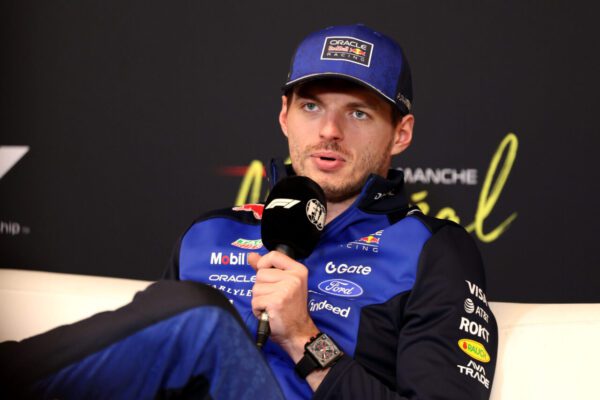
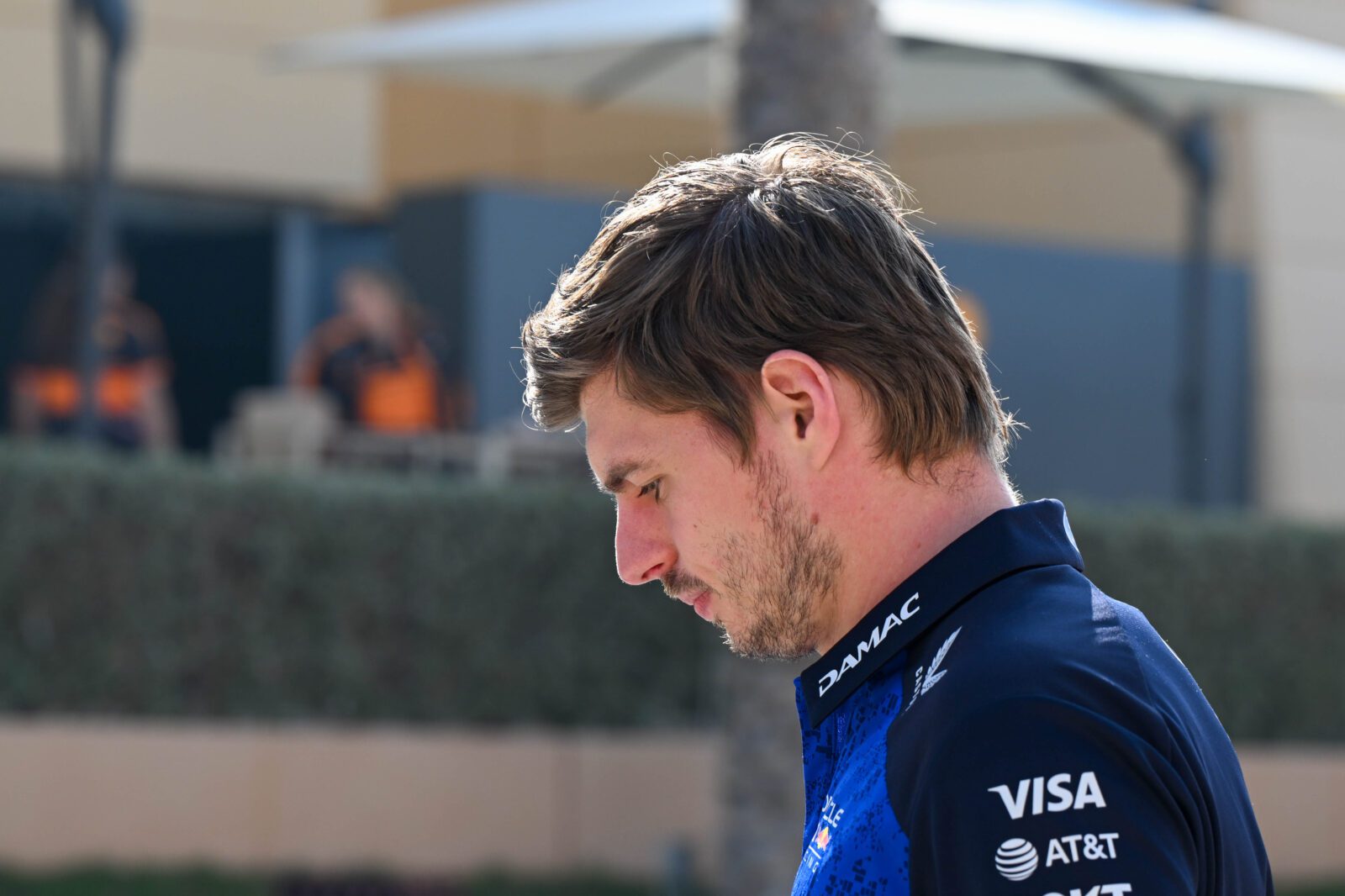
Max Verstappen acknowledged an ‘upward trend’ in the car’s performance. However, he remains cautious about the impact of upgrades from competing teams. Verstappen emphasized the necessity of approaching each race individually.
Verstappen is contracted with Red Bull until the end of 2028. His agreement includes clauses that could facilitate an exit this summer.