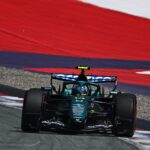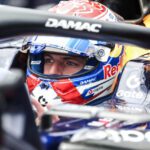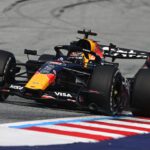



The Sepang International Circuit recently hosted the Formula 1 Gulf Air Bahrain Grand Prix in Malaysia from October 2-4, 2026. This event marked a one-off return for the circuit, stepping in for the original Bahrain Grand Prix. The race was relocated due to ongoing conflict in the Middle East.
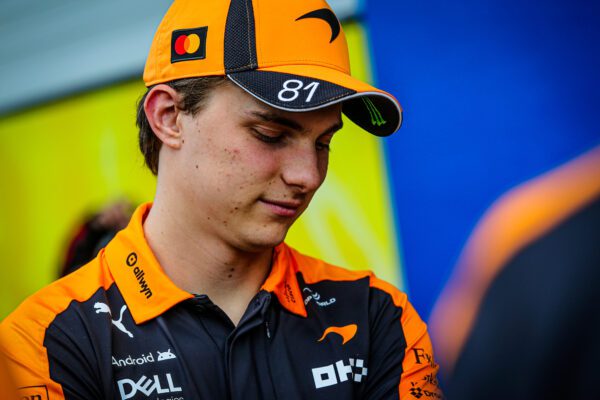
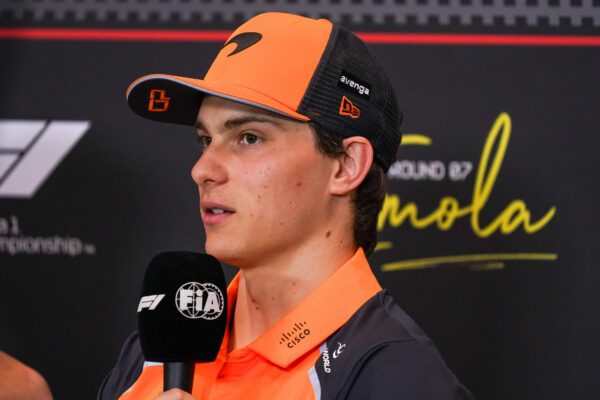
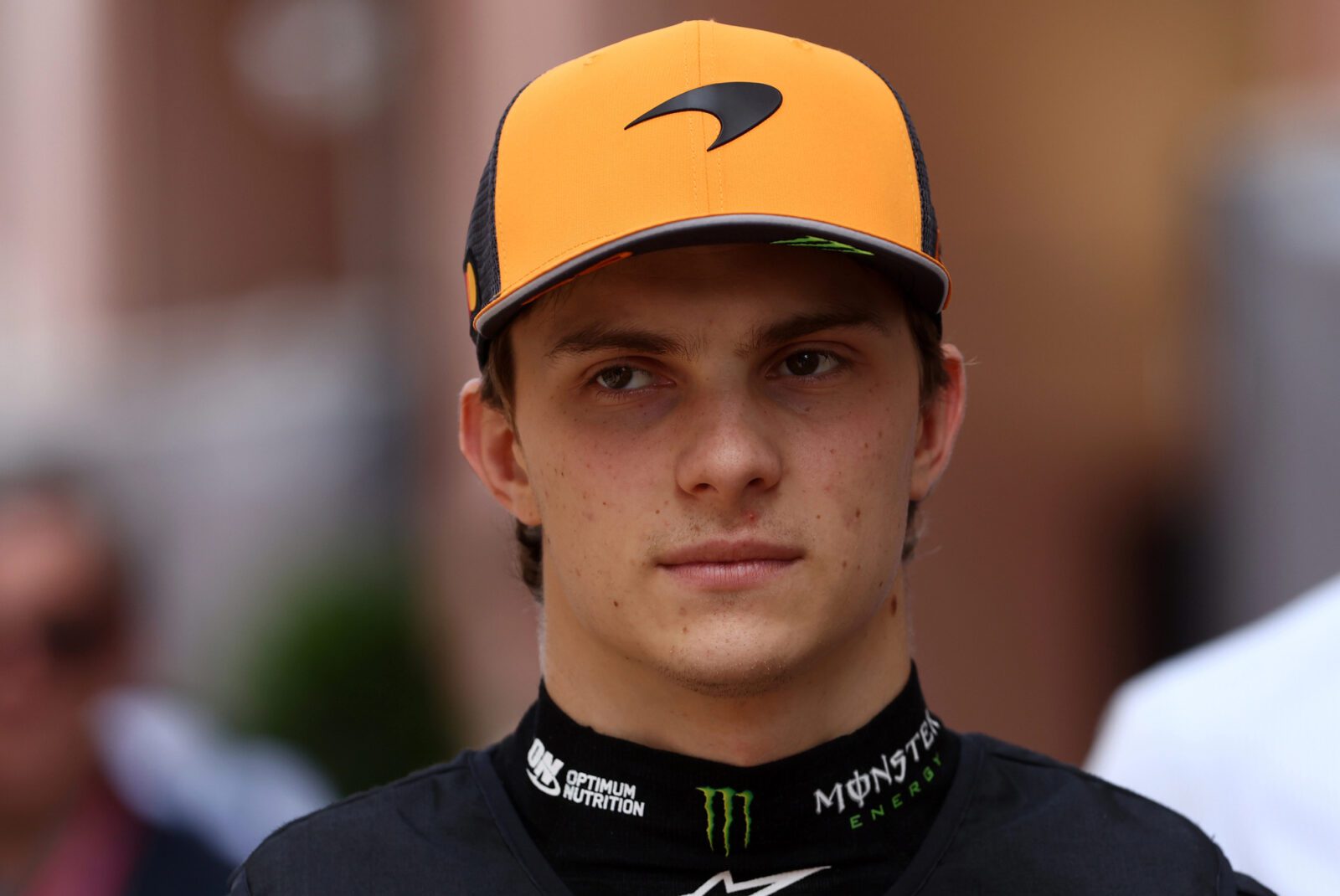
Oscar Piastri experienced the Malaysian circuit for the first time in an F1 car during this period. He qualified seventh, subsequently starting the race from sixth position. This was due to a grid penalty applied to another driver.
Piastri described the qualifying conditions as ‘brutal’, noting that the McLaren MCL40’s inherent weaknesses were exposed. The team’s initial strategy to start on slick tyres on a damp track proved challenging.
This decision necessitated an early pit stop for intermediate tyres. Despite these difficulties, Piastri completed the race in sixth place. He also executed an overtake on Liam Lawson during the event.
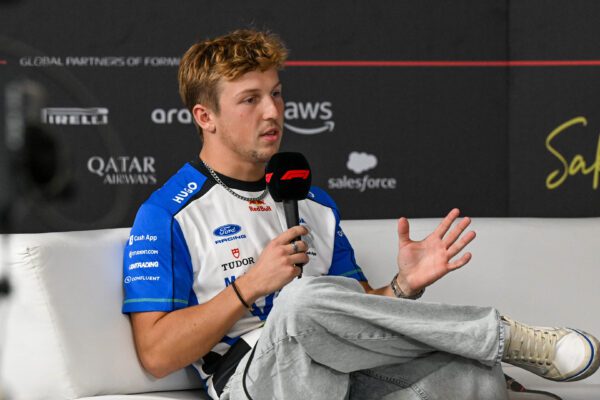
Liam Lawson, driving for Racing Bulls, demonstrated a strong affinity for the Sepang circuit. His connection to the track dates back to his childhood, watching races and learning the layout through video games.
Lawson previously achieved significant success at Sepang in 2018. He dominated the Asian Formula 3 Championship, securing multiple pole positions and race victories.
During the 2026 Grand Prix weekend, Lawson showed promising pace in practice sessions. He emerged as a top-ten contender on the first day, navigating the low-grip surface and physically demanding conditions.
The Sepang International Circuit, designed by Hermann Tilke, is renowned for its challenging layout. It features high-speed corners and unpredictable weather, testing both aerodynamic efficiency and driver endurance.
Malaysia is currently engaged in discussions with Formula 1 regarding a permanent return to the calendar. Prime Minister Anwar Ibrahim met with Stefano Domenicali, Formula 1 President and CEO, to explore this possibility.
A permanent return would require a comprehensive five-year business plan. It also involves an estimated annual investment of US$73.4 million (RM300 million).
The crowded Formula 1 calendar and existing contractual commitments with other host countries present significant hurdles. These factors will influence any potential long-term agreement for Sepang.