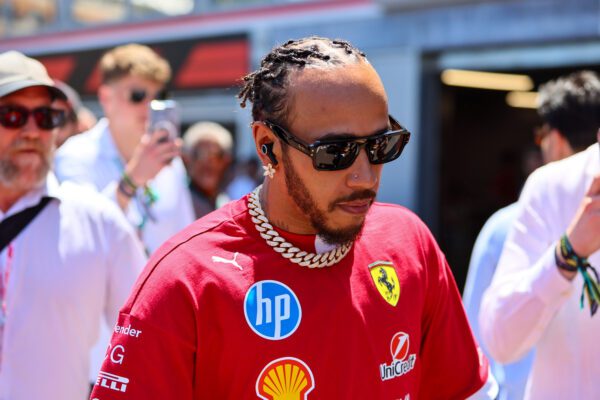



Lewis Hamilton has rebuffed Oliver Bearman’s assertions regarding the excitement of racing on slower circuits with the new 2026 Formula 1 cars. This discussion emerges as the sport prepares for the Belgian Grand Prix this weekend.
Bearman has been critical of the 2026 machinery, describing the driving experience as ‘a bit ridiculous’ due to the significant role of the electrical power unit components. He previously likened the feeling to Formula E.
The Haas driver expressed frustration with energy management, specifically mentioning ‘clipping’ and the need for lift-and-coast techniques. He stated the car has ‘not been the most fun to drive’ this season.
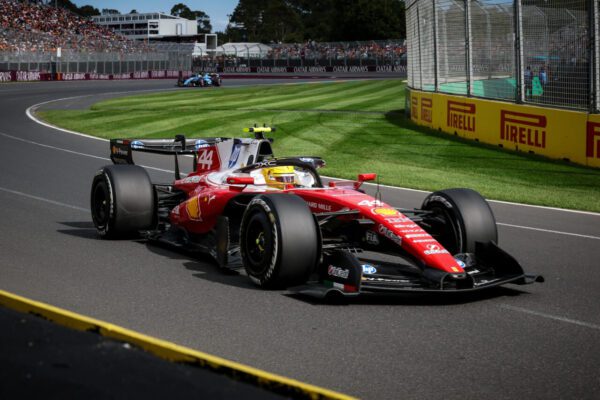
The 2026 regulations represent a substantial overhaul, featuring cars that are shorter, narrower, and lighter. The wheelbase has been reduced by 200mm, and the overall width by 100mm.
Minimum weight has decreased by 30kg to 770kg, and tire dimensions have also been adjusted with narrower front and rear wheels. These changes aim for increased agility.
Aerodynamic efficiency is a key focus, with a projected 40% reduction in drag. Downforce has been cut by 15-30% through the removal of ground-effect floor tunnels.
Active aerodynamics are now standard, allowing cars to dynamically adjust front and rear wing elements. ‘Straight Mode’ reduces drag on straights, while ‘Corner Mode’ maintains downforce for grip.
The power unit regulations introduce a 50/50 split between electrical and combustion power. The MGU-H has been removed, and the MGU-K power output has increased to 350kW.
New for this season is ‘Overtake Mode,’ providing an attacking car with an additional 0.5MJ of electrical power when within one second of a competitor.
Drivers must manage a finite amount of electrical energy, making battery charging and deployment crucial. This includes techniques like ‘lift-and-coast’ to harvest energy.
Mid-season adjustments to the power unit regulations were announced before the Miami Grand Prix. The ‘super clipping’ limit was increased from 250 kW to 350 kW.
This modification aims to reduce the duration of ‘super clipping’ to between two and four seconds per lap. The qualifying harvesting limit was also reduced.