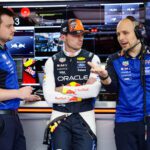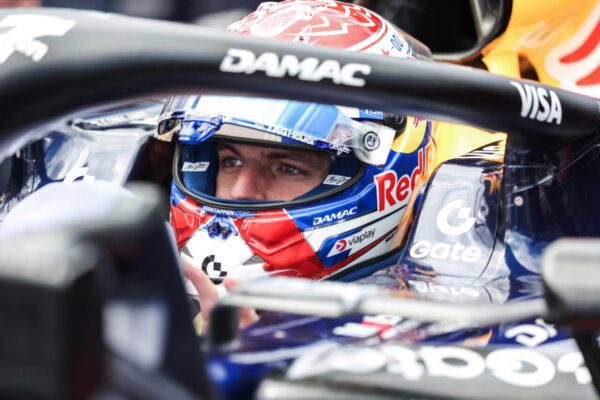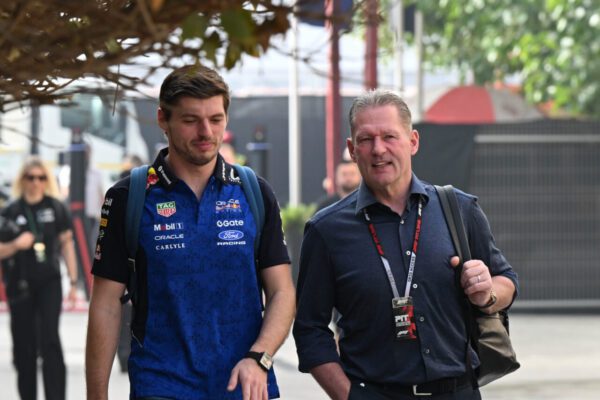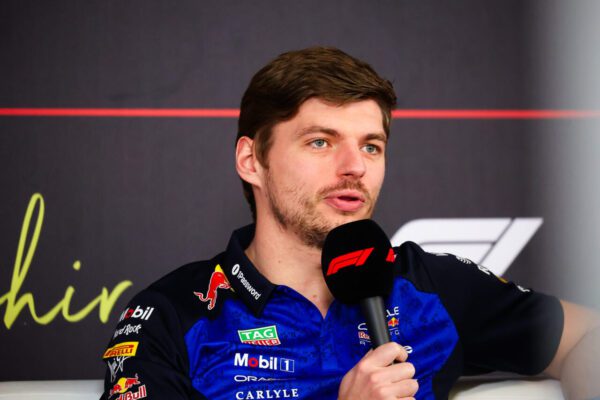


Helmut Marko has publicly questioned the FIA’s recent engine performance assessment, which designated Red Bull’s power unit as the strongest in Formula 1. The Red Bull advisor expressed disbelief regarding the findings, stating they do not align with the team’s on-track performance during the current 2026 season.
The FIA’s second Additional Development and Upgrade Opportunities (ADUO) assessment for 2026 was released on August 28, 2026, following the Dutch Grand Prix. This report officially declared Red Bull’s Honda RBPT Internal Combustion Engine (ICE) as the benchmark for power output.
The ADUO mechanism, introduced with the 2026 engine regulations, aims to balance performance by granting additional homologated upgrades to manufacturers with a significant power deficit. Red Bull received no upgrade opportunities due to their leading ICE performance.
Conversely, Mercedes, assessed to be within a two to four percent deficit, was granted one additional upgrade for both the 2026 and 2027 seasons. Audi, Ferrari, and Honda, trailing by more than four percent, each received two development tokens for both years.
Marko’s criticism stems from Red Bull Racing’s overall performance, which has seen the team fail to secure a single victory across the first 12 races of the 2026 championship. He highlighted the team’s qualifying struggles, suggesting that a truly fastest engine would yield better starting positions.
The ADUO assessment, however, focuses exclusively on the Internal Combustion Engine’s performance. It explicitly excludes the electrical components and energy recovery systems, which are crucial elements of the overall power unit and significantly impact race performance.
Marko has been a consistent critic of the 2026 regulations, particularly the increased reliance on hybrid systems and energy management. He previously stated that the 50:50 split between ICE and electric motor power ‘sounds good on paper, but it doesn’t work’ due to battery charging challenges.
He also warned earlier this season about the potential for cars to run out of battery power, especially at high-speed circuits like Monza. This concern underscores his view that the current regulations prioritize energy management over pure driving skill.
FIA Director of Single Seater Nikolas Tombazis affirmed the robustness of the ADUO analysis. He noted the thorough and exhaustive process, while also emphasizing the confidentiality of detailed performance data shared with manufacturers.