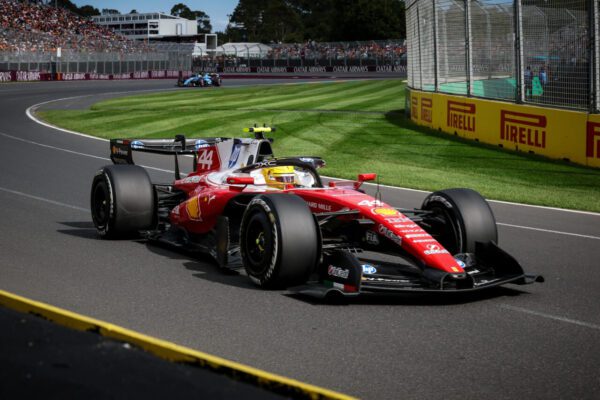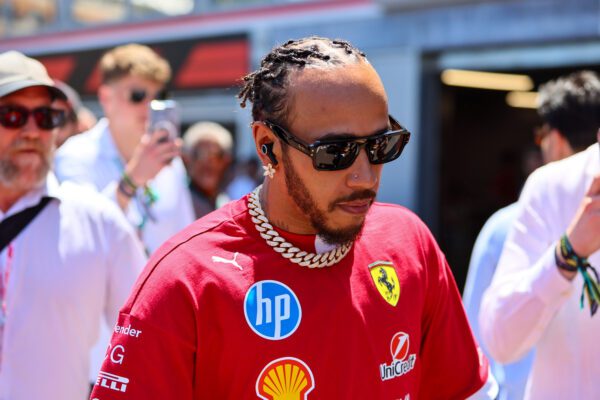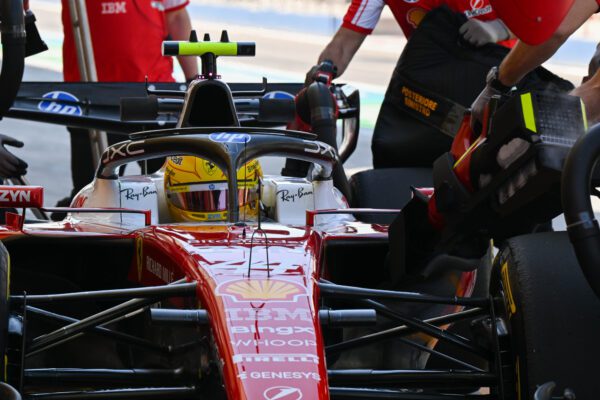




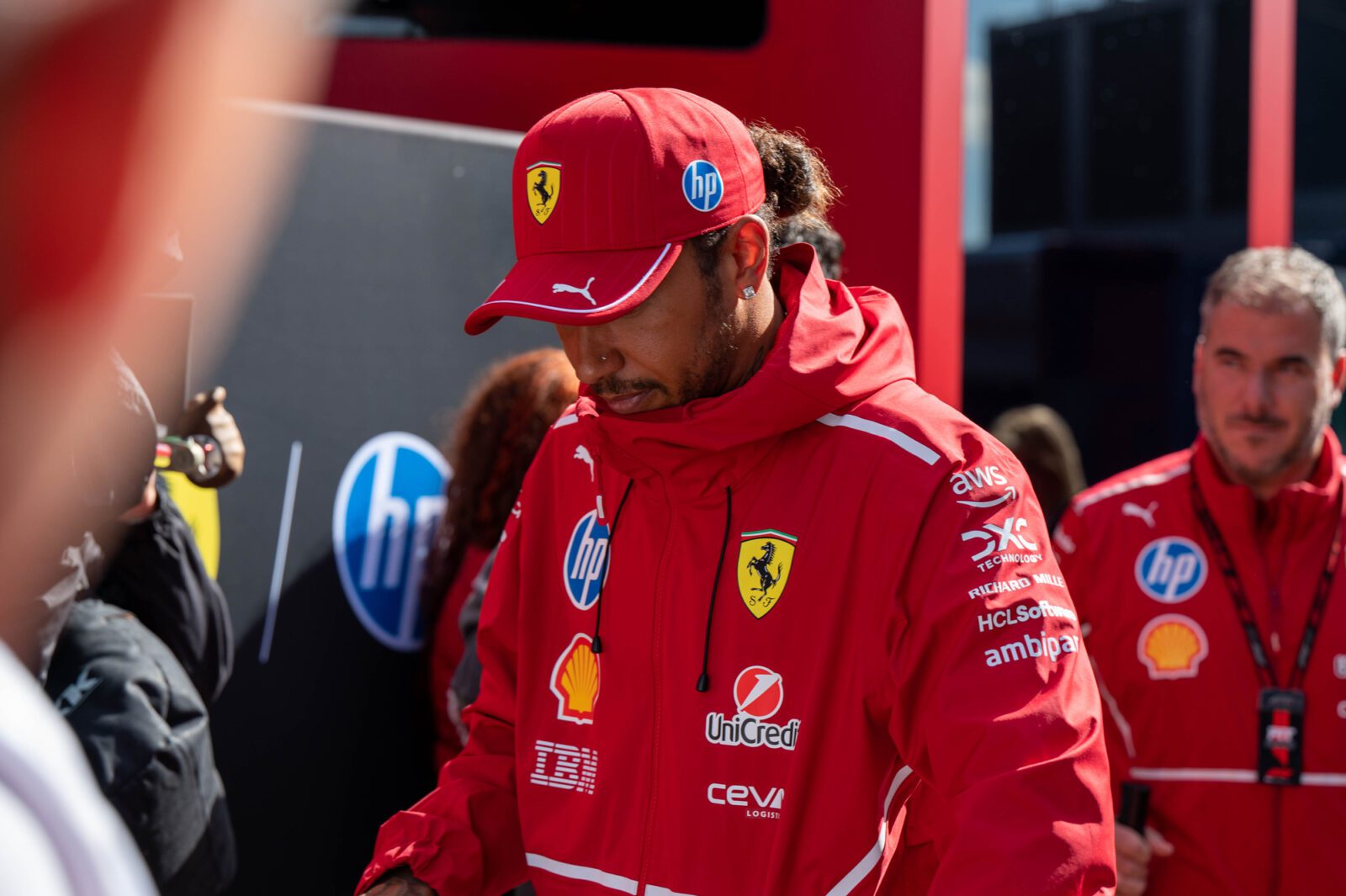
Lewis Hamilton has voiced concerns regarding the 2026 Formula 1 regulations, specifically highlighting issues with the power unit’s energy deployment system. His comments follow recent racing, including the Belgian Grand Prix weekend, where the complexities of the new rules became evident. Hamilton described the current state of affairs as ‘not that great’.
The 2026 technical regulations introduced a significant shift in power unit architecture. These rules mandate a near 50/50 split between internal combustion engine power and electrical power. This contrasts sharply with the previous 80/20 ratio, marking a substantial change for the sport.
A key alteration involves the removal of the MGU-H component. Concurrently, the MGU-K’s electrical power output has been substantially increased, now capable of deploying up to 350kW. This aims to enhance sustainability and promote closer racing.
Drivers now have greater control over energy management through systems like ‘Overtake Mode’ and ‘Battery Recharge’. The ‘Overtake Mode’ allows for additional electrical energy deployment. The ‘Recharge’ function, overseen by the driver, manages energy harvesting from braking and engine activity.
However, this increased driver involvement has led to complications. During the Japanese Grand Prix earlier this season, a duel between Hamilton and Lando Norris at Suzuka exposed a flaw. Lifting off the throttle in certain situations paradoxically resulted in forced overtaking scenarios.
Norris, attempting to manage the situation behind Hamilton at 130R, had to lift off. However, regulations prevented him from immediately returning to full throttle. This left him without sufficient battery support to defend on the subsequent straight, illustrating the unintended consequences.
Hamilton has openly stated he does not ‘love the power of deployment’ or the ‘Straight Mode’ functionality. He believes many drivers share his sentiment, despite his personal enjoyment of the lighter, more nimble 2026 cars.
Ferrari teammate Carlos Sainz has also urged a review of the new regulations. Sainz stated the current situation ‘should never have happened,’ particularly concerning qualifying laps. He noted a clear loss in enjoyment during these sessions.
The FIA and Formula 1 management met in April to evaluate the new regulations. Hamilton, however, expressed skepticism regarding the potential impact of these discussions. He indicated that drivers currently ‘have no power’ in shaping the rules.
Concerns extend to the potential for ‘artificial and fake’ racing. Incidents like Oliver Bearman’s crash at Suzuka, attributed to massive speed deltas, have also raised safety questions regarding the new energy management complexities.
The 2026 power units also feature a reduced fuel flow, down to approximately 75kg per hour. This, combined with active aerodynamics, forms a comprehensive regulatory overhaul. The aim is to balance performance with environmental targets.
Hamilton, currently driving for Ferrari, secured his first Grand Prix victory for the Scuderia in Barcelona earlier this season. His recent comments underscore ongoing challenges with the new technical framework, despite his team’s improving performance.