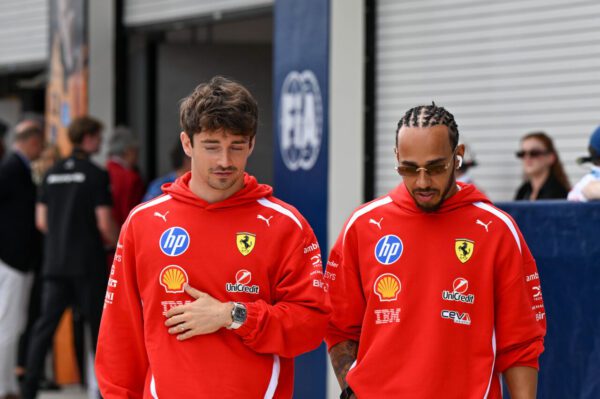




Lewis Hamilton has described the current state of Formula 1 as a ‘phenomenal’ reality, noting the close performance margins between teams despite their varied engineering philosophies for the 2026 regulations. This observation follows a tightly contested qualifying session at the recent Italian Grand Prix.
During the final segment of qualifying at Monza, the top ten drivers were separated by a mere 0.500 seconds. This gap, between pole-sitter Pierre Gasly and Arvid Lindblad in tenth, surpassed the previous record from the 2025 Hungarian Grand Prix, where Charles Leclerc’s pole time was 0.543 seconds faster than Isack Hadjar in tenth.
The 2026 Formula 1 season introduced a significant overhaul of technical regulations, leading to the development of smaller, lighter cars with revised aerodynamic packages and entirely new power units. These changes were designed to promote closer racing and greater efficiency.
A key aspect of the new regulations is the implementation of active aerodynamics. Cars now feature ‘X-mode’ for reduced drag on straights and ‘Z-mode’ for increased downforce in corners. The Drag Reduction System (DRS) has been replaced by a ‘Manual Override Mode’, which provides an electrical boost for overtaking when a driver is within one second of the car ahead.
The power unit regulations have also undergone a substantial transformation, with a 50:50 split between the internal combustion engine (ICE) and electrical power. The ICE output has been reduced, while the electrical power from the Motor Generator Unit – Kinetic (MGU-K) has seen a significant increase. The complex MGU-H component has been removed from the power unit architecture.
Mercedes Team Principal Toto Wolff offered an overwhelmingly positive assessment of the new regulations earlier this year, describing the 2026 cars as ‘awesome’ and ‘spectacular’. Wolff also expressed expectations for a substantial increase in overtaking opportunities due to the new engine concept and boost capabilities.
Drivers have had to adapt their driving styles considerably to maximise performance from the new cars, particularly concerning the management of battery power throughout a race. While many fans appreciate the closer racing, some critics argue that the heavy focus on energy management can make the racing feel artificial.
In the current 2026 season, Mercedes has demonstrated strong performance, with Kimi Antonelli securing four consecutive victories and establishing a significant lead in the Drivers’ Championship. Mercedes also holds a commanding position in the Constructors’ Championship.
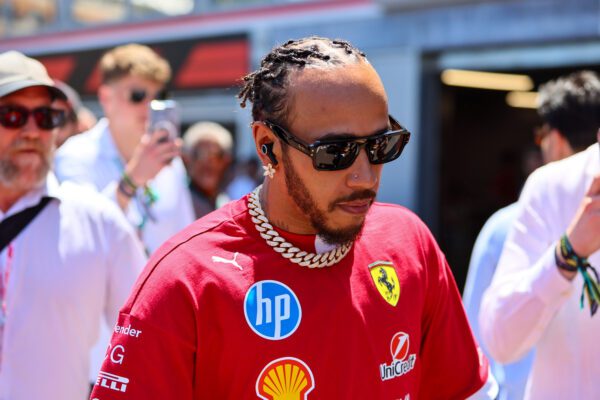
Lewis Hamilton, driving for Ferrari, has effectively conceded the 2026 title, stating that Antonelli and Mercedes are unstoppable this year. Hamilton’s championship challenge was significantly impacted by a brake problem retirement at the Spanish Grand Prix in Madrid, leaving him 101 points behind Antonelli after 14 races.
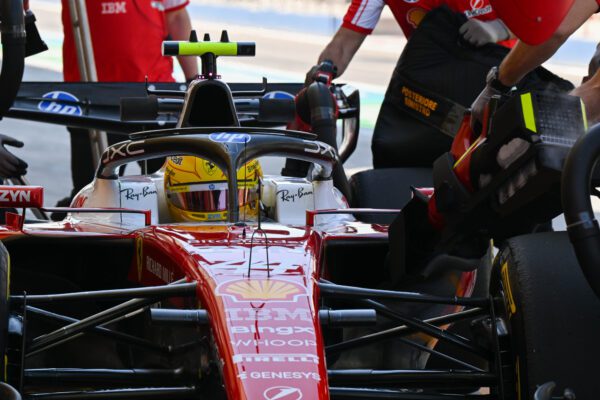
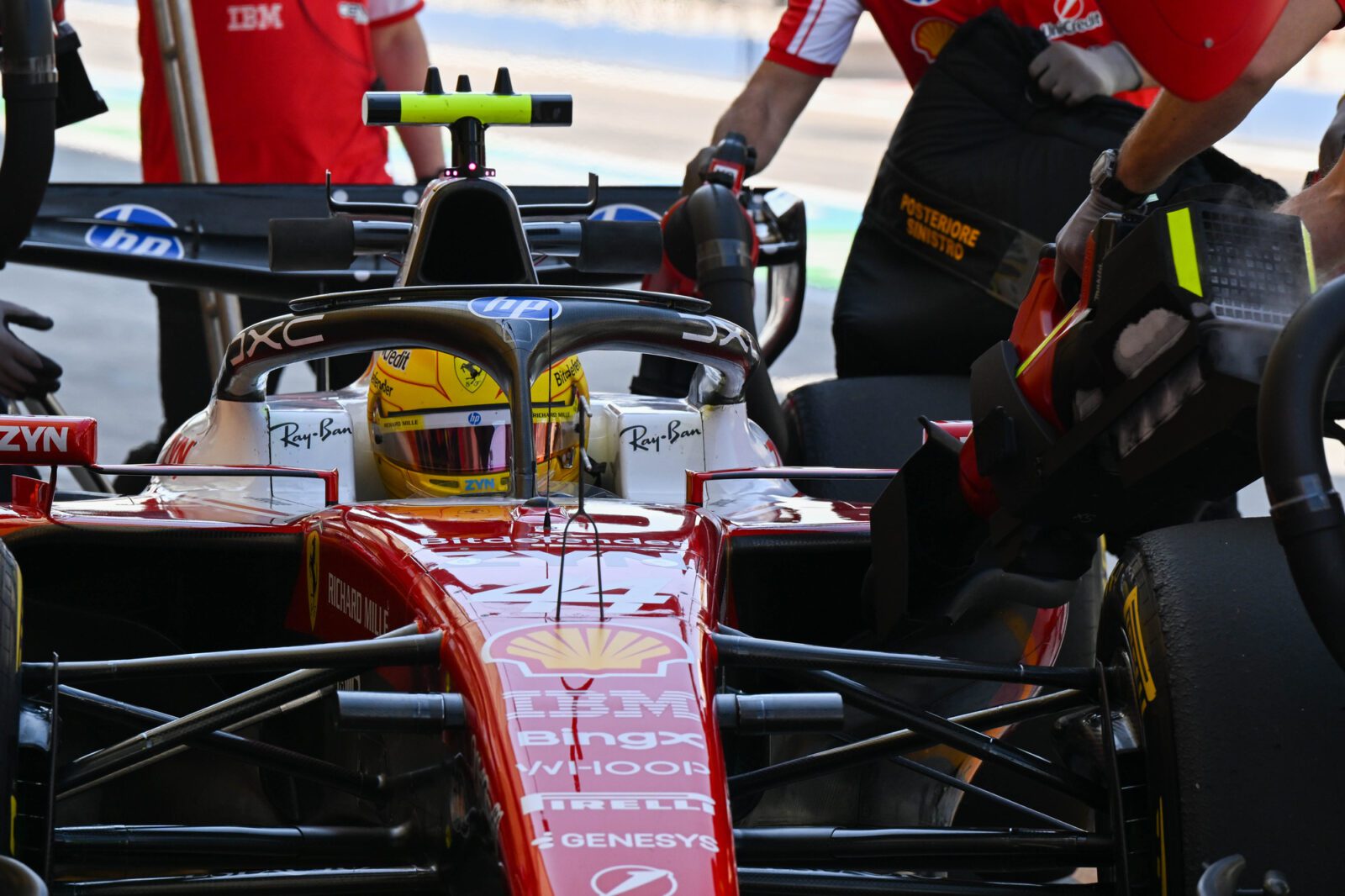
Ferrari’s SF-26 has been noted by Hamilton as being ‘massively down’ on power compared to the Mercedes W17. Ferrari has utilised the FIA’s Additional Development and Upgrade Opportunities (ADUO) scheme to introduce power unit improvements. Mercedes, meanwhile, has begun allocating resources towards its 2027 car development, though a final W17 upgrade is still anticipated later this season.