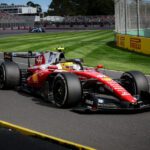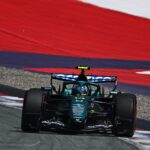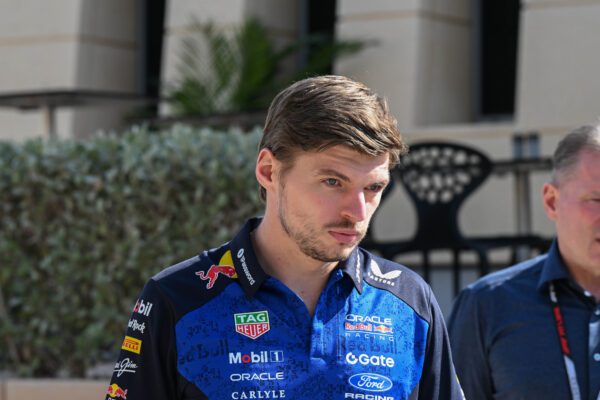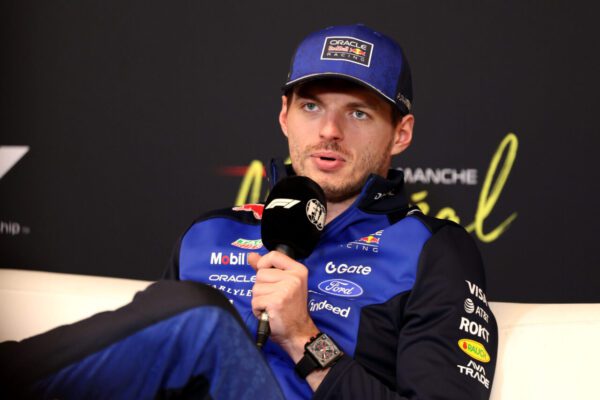


Formula 1 is set to integrate advanced high-speed camera drones into its broadcast coverage, with a significant deployment planned for the Belgian Grand Prix this weekend. These Dutch-made drones aim to deliver enhanced, rapid television images, offering viewers a new perspective on the racing action. The technology, developed by Dutch Drone Gods in collaboration with Red Bull Media House, represents a notable step in sports broadcasting.
The latest drone model is capable of speeds exceeding 350 km/h and can accelerate from 0 to 300 km/h in approximately four seconds, surpassing an F1 car’s acceleration. This custom-built drone features a movable camera system, a key advancement from earlier prototypes. Its lightweight frame incorporates carbon fiber, glass fiber, and 3D printed polymers, weighing under one kilogram.
Taco Ketelaar, the project’s initiator, highlighted the operational complexities involved. He noted challenges related to radio frequencies, safety protocols, and securing the necessary permits for specific sections of the circuit. The operation requires two dedicated individuals: one pilot to control the drone’s flight path and another to manipulate the camera for dynamic tracking.
A precursor to this system was first utilised during the Austrian Grand Prix in June 2026, where it provided unique footage of the opening laps and close battles. This initial deployment generated considerable interest on social media. Broadcasters like Sky Sports F1 and F1 TV have already integrated the drone footage into their live coverage.
While the footage was largely well-received for its ability to convey the raw speed of the cars, some viewers found the images disorienting or ‘too messy.’ Ketelaar acknowledged this mixed reception, estimating that approximately 20 percent of viewers may require time to adapt to the new visual style.
Earlier development included a demonstration at Silverstone with Max Verstappen in a new car, which garnered significant attention within the F1 paddock. Red Bull Advanced Technologies played a crucial role in refining the drone’s design, including manufacturing lightweight aerodynamic components. Reserve drivers Liam Lawson and David Coulthard also participated in testing with earlier F1 car models.
The FIA has approved specific operational guidelines for high-speed drones, with updated sporting regulations for the 2026 season addressing flight paths, altitude limits, and communication protocols. Safety remains a primary concern, necessitating strict no-fly zones over spectator areas and certain track sections.
Circuits such as Spa-Francorchamps maintain strict prohibitions on unauthorised drone use for visitors, underscoring the stringent controls required for professional operations. Specific areas like Eau Rouge at Spa-Francorchamps are subject to restrictions due to safety and regulatory considerations.
The project is currently in its pioneering phase, with expectations that drone camera technology will become a standard feature in Formula 1 broadcasts. However, logistical challenges at urban circuits, such as Monaco, may limit their full integration due to dense populations and existing infrastructure.
Monaco Grand Prix, for instance, imposes temporary restricted airspace during all official FIA Formula 1 sessions, with general prohibitions on private drone use. Despite these limitations for camera drones, F1 recently utilised over 3,000 drones for a light show during the Monaco Grand Prix opening party in June 2026.
The most limiting aspect, technology-wise, remains the batteries. They have to be quite big, heavy and high-quality to deliver the power when needed, such as during full-speed stretches where the drone reaches speeds exceeding 300 kilometres per hour for several seconds on straightaways, then quickly decelerates and recovers to deliver power again on the next straightaway. Currently, there is no battery capable of delivering such power while also offering extensive endurance. It’s a case of ‘either-or’.