



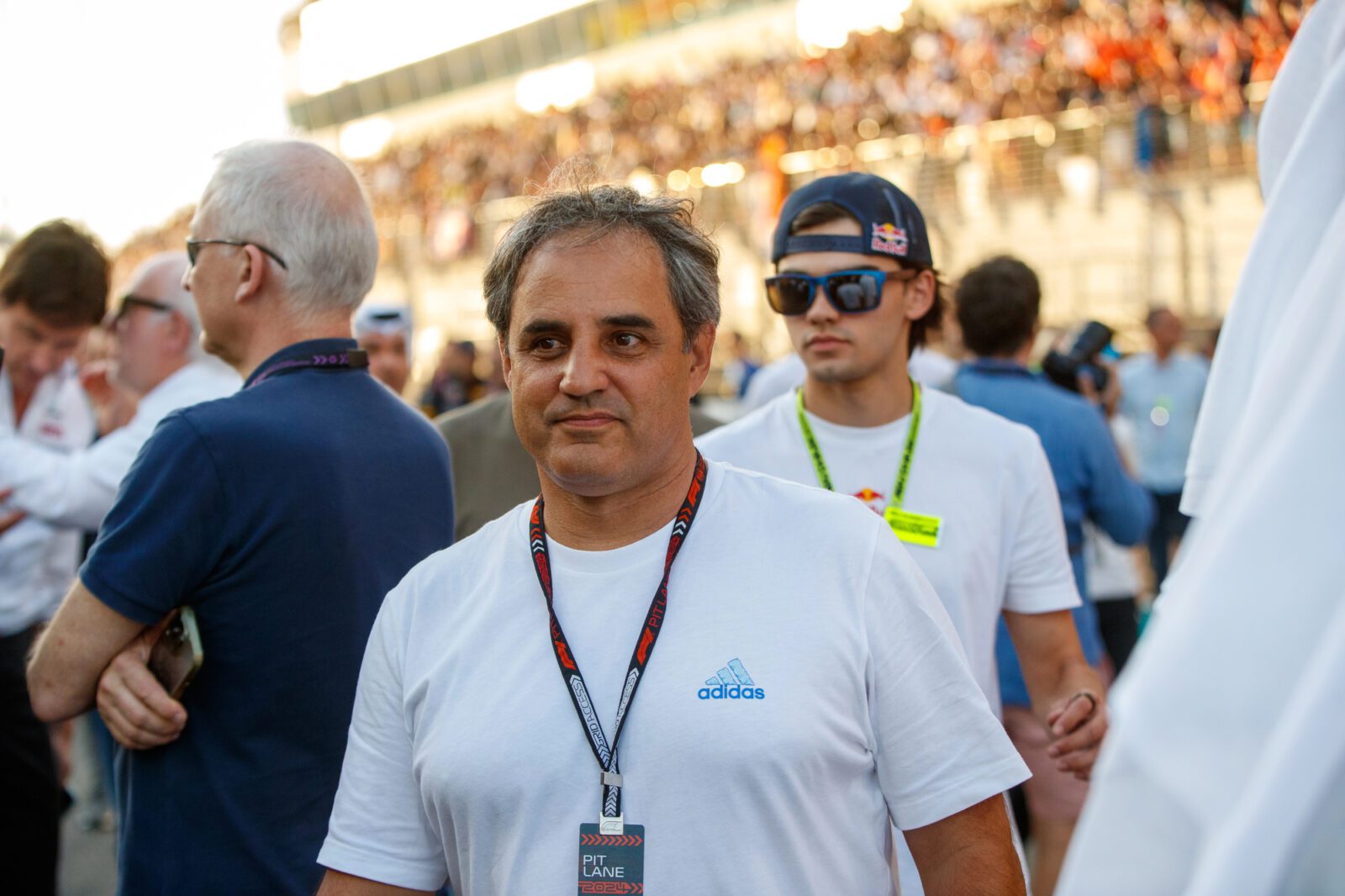
Former Formula 1 driver Juan Pablo Montoya has stated that a hypothetical race against Max Verstappen under current F1 regulations would result in ‘tears’. Montoya’s comments, made in a past interview, highlight a perceived shift in the sport’s approach to aggressive driving.
Montoya, known for his uncompromising style during his F1 career from 2001 to 2006, suggested that both he and Verstappen possess an aggressive approach on track. He believes this shared characteristic would lead to significant friction under the present regulatory framework.
The Colombian driver indicated that the current rules, particularly concerning track limits and penalties for on-track contact, are ‘too soft’. He argued that this environment protects drivers more than in his era, potentially stifling direct confrontation.
Montoya’s perspective suggests that in his time, drivers were more inclined to push boundaries, understanding that the consequences for on-track incidents were managed differently. This contrasts with the immediate and often stringent penalties seen today.
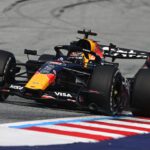
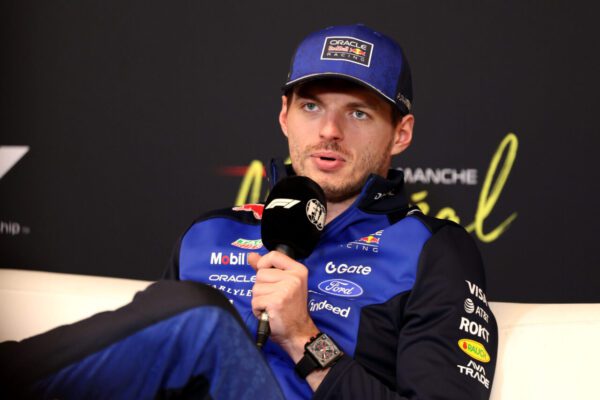
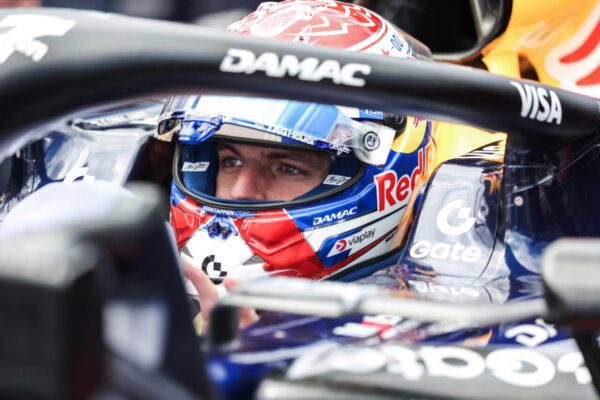
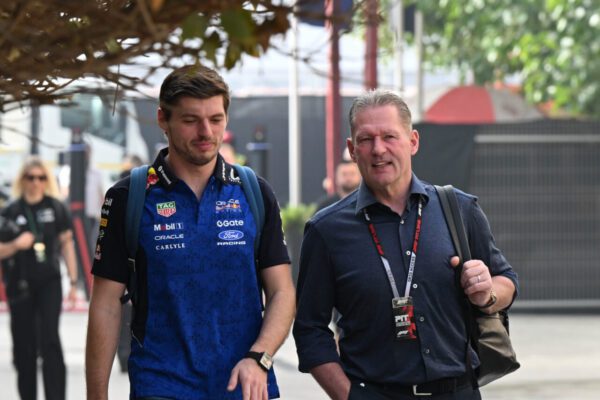
Max Verstappen has established a reputation for his aggressive and uncompromising driving style throughout his career. He frequently pushes the limits in wheel-to-wheel combat, often drawing both praise and criticism for his approach.
Verstappen’s ability to operate at the edge of the regulations without consistently incurring penalties is a hallmark of his racing. This often involves precise car placement and assertive overtakes.
Montoya himself was a formidable competitor, recognized for his fearless overtakes and involvement in several controversial incidents, notably with Michael Schumacher. His driving was frequently described as spectacular and uncompromising.
The FIA’s sporting regulations for the current 2026 season continue to emphasize safety and fair competition. Guidelines for dangerous driving, forcing drivers off track, and track limits are clearly defined, with race stewards tasked with applying penalties.
This regulatory environment represents a significant evolution from the period when Montoya competed. The shift reflects an ongoing effort to balance aggressive racing with driver safety and consistent application of rules.
Montoya’s remarks underscore a fundamental difference in racing philosophies between F1 eras, particularly regarding the permissible extent of on-track aggression and the role of regulatory intervention.