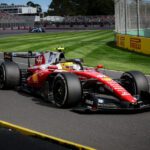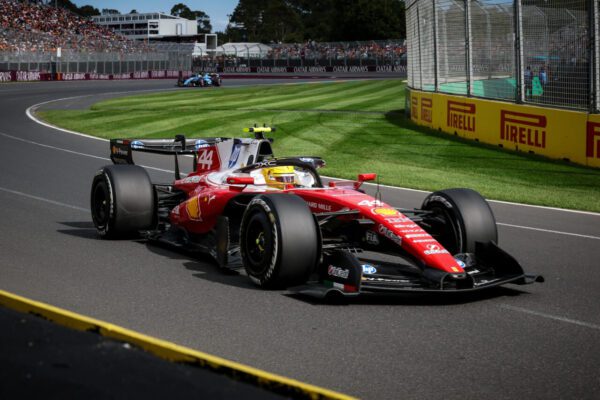



Ferrari has confirmed its decision to deploy an upgraded Formula 1 engine at the upcoming Italian Grand Prix at Monza. This marks the second of two permitted power unit upgrades for the Scuderia under the sport’s Additional Upgrades and Development Opportunities (ADUO) system. The team was granted these upgrade tokens earlier this season after being assessed as more than 4% behind the F1 2026 engine benchmark, Red Bull Powertrains.
The ADUO system was introduced to allow engine manufacturers to update homologated power units if their Internal Combustion Engine (ICE) performance significantly trails the leading benchmark. Manufacturers with a deficit of 4% or more are eligible for two upgrades in the current season and two more in the following campaign. Ferrari’s first ADUO upgrade was introduced at the Austrian Grand Prix in June.
The latest ADUO 2 engine specification is understood to feature an upgraded and larger turbocharger. This development is estimated to provide Ferrari with an increase of 15 horsepower. The objective is to at least halve the Maranello outfit’s current deficit to Mercedes on the high-speed straights.
Ferrari’s initial 2026 power unit design incorporated a smaller turbo to mitigate lag, but a new FIA five-second pre-start procedure negated this advantage, resulting in a straight-line speed disadvantage. The ADUO 2 upgrade, with its revised blade angles and advanced materials, aims to rectify this. The combined two-phase ADUO engine recovery plan targets a total gain of 30 horsepower.
An additional performance boost is anticipated from a new fuel formulation developed by Shell, which will work in conjunction with the upgraded engine. Reliability checks, including extensive dyno testing covering the full operating lifespan of the redesigned turbocharger, were crucial before the final approval for Monza. Budget cap restrictions limited Ferrari to two or three active dynos, which impacted the validation timeline.
Monza, known as the ‘Temple of Speed’, is a circuit characterized by long straights and tight chicanes, making engine power a critical factor. The 2026 regulations place increased importance on energy deployment at this venue. Ferrari will also introduce further aerodynamic upgrades, including a new version of its ‘Macarena’ rear wing, designed to reduce drag and enhance energy recovery.
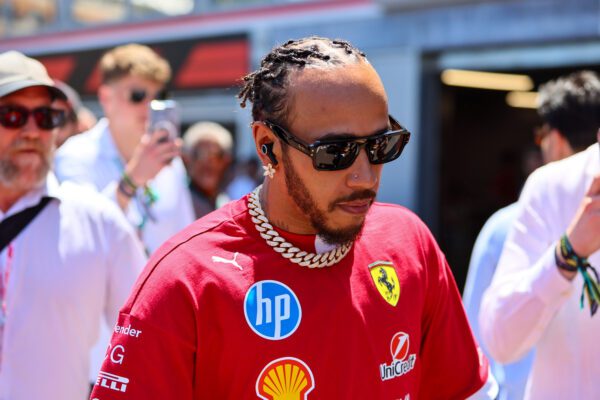
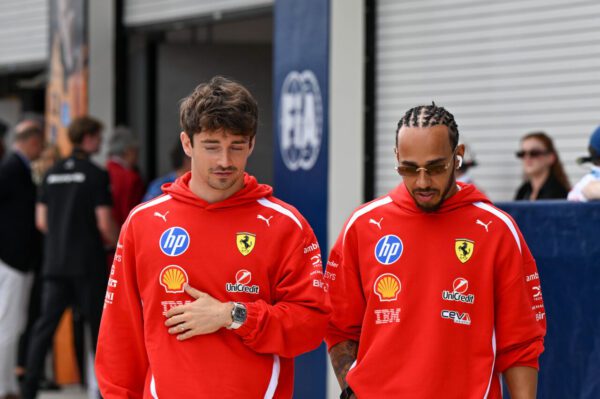
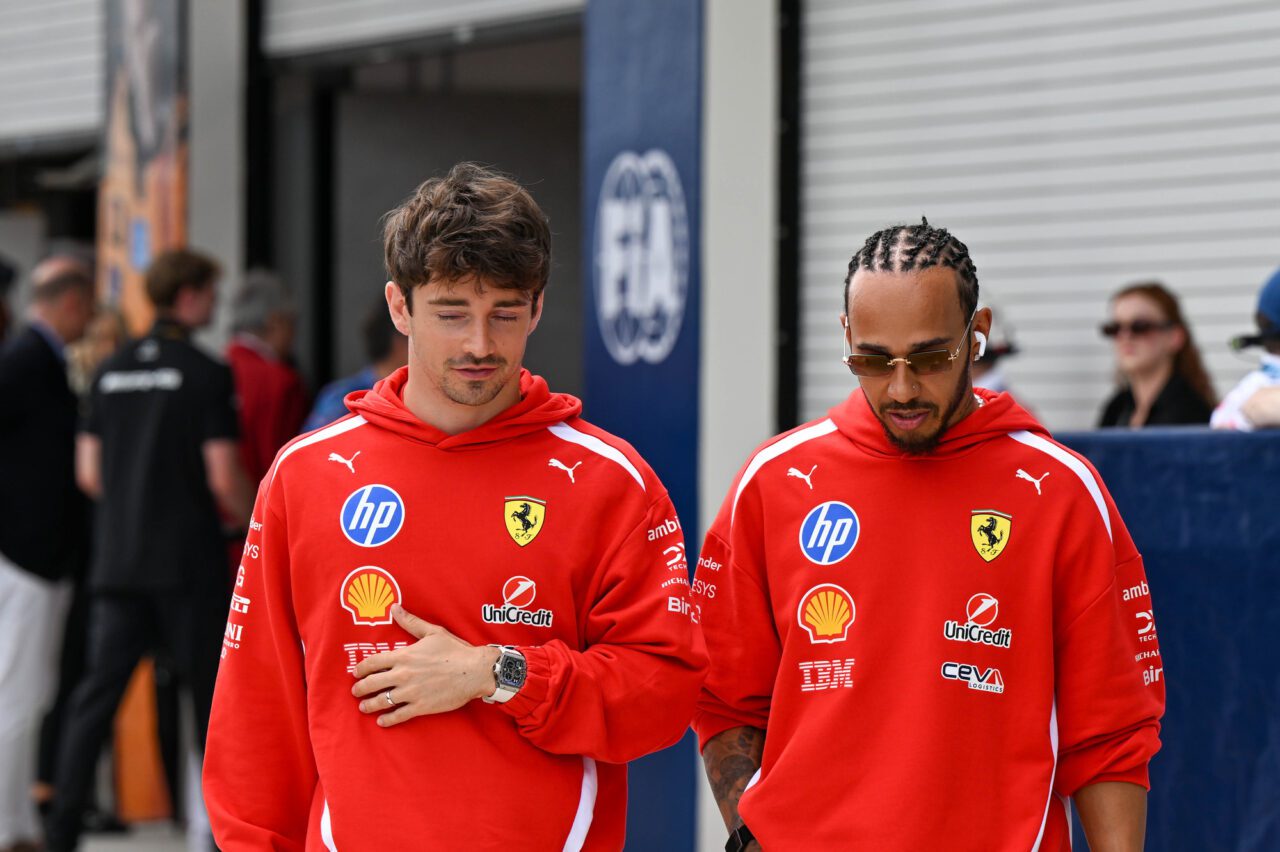
The team will run its SF-26 cars in a special livery at Monza, paying tribute to Michael Schumacher’s career. This commemorates 30 years since Schumacher’s first season with Ferrari in 1996 and 20 years since his final F1 victory in 2006. Lewis Hamilton and Charles Leclerc will wear one-off race suits featuring seven stars, symbolizing Schumacher’s world titles, and his personal logo.
Ferrari heads into its home race second in the Constructors’ Championship, 87 points behind Mercedes. In the Drivers’ Standings, Lewis Hamilton is third, tied on points with George Russell, 59 points behind championship leader Andrea Kimi Antonelli.
Mercedes driver Andrea Kimi Antonelli will incur a grid penalty at Monza, starting from the back due to the introduction of a new power unit. This strategic decision by Mercedes team principal Toto Wolff prioritizes championship performance, as Monza’s layout is conducive to overtaking. George Russell is also expected to serve a grid penalty for an engine change later in the season.
Lewis Hamilton has praised Ferrari’s technical progress during the 2026 season but has also emphasized the need for improved operational execution. Following the Dutch Grand Prix, Hamilton noted that Ferrari must refine its race weekend strategy to maximize performance gains.
‘We do the best. So far this season, sometimes we are not we were not expecting to get good results and we had them, and sometimes we are expecting to get better results and we struggled a bit more. I think there is much more into the execution than into the pure potential. It means that I think the best lesson of the weekend [in Zandvoort] is that if you want to win, if you want to be in front, you have to do the perfect job.’
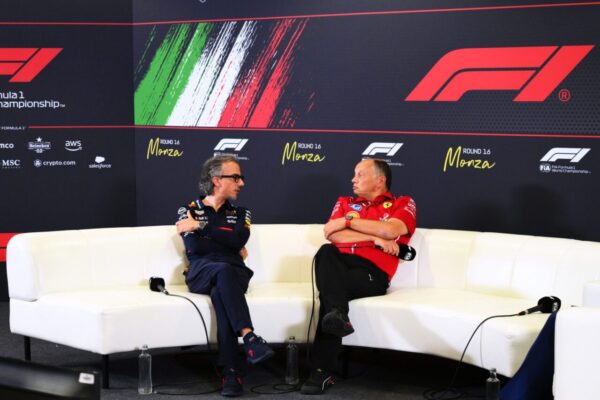
Ferrari team principal Fred Vasseur commented on the team’s fluctuating performance, highlighting the importance of execution.