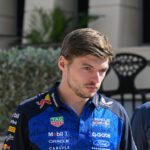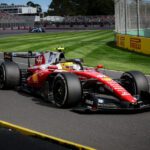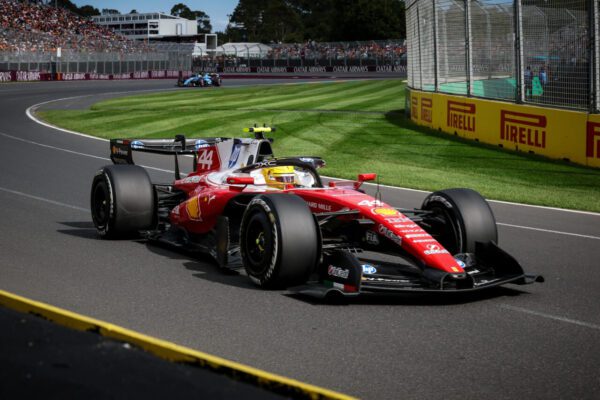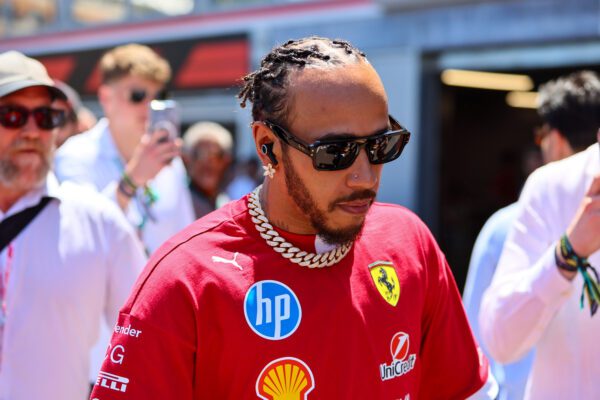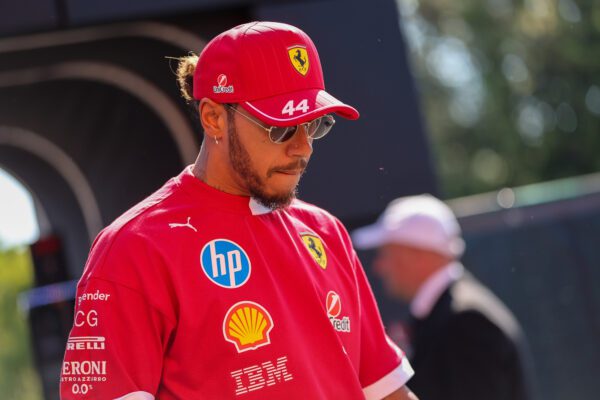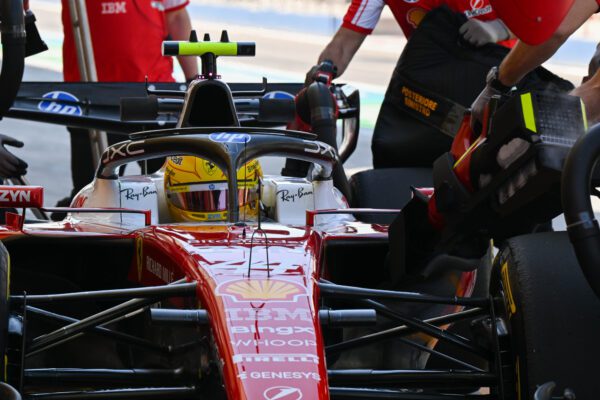


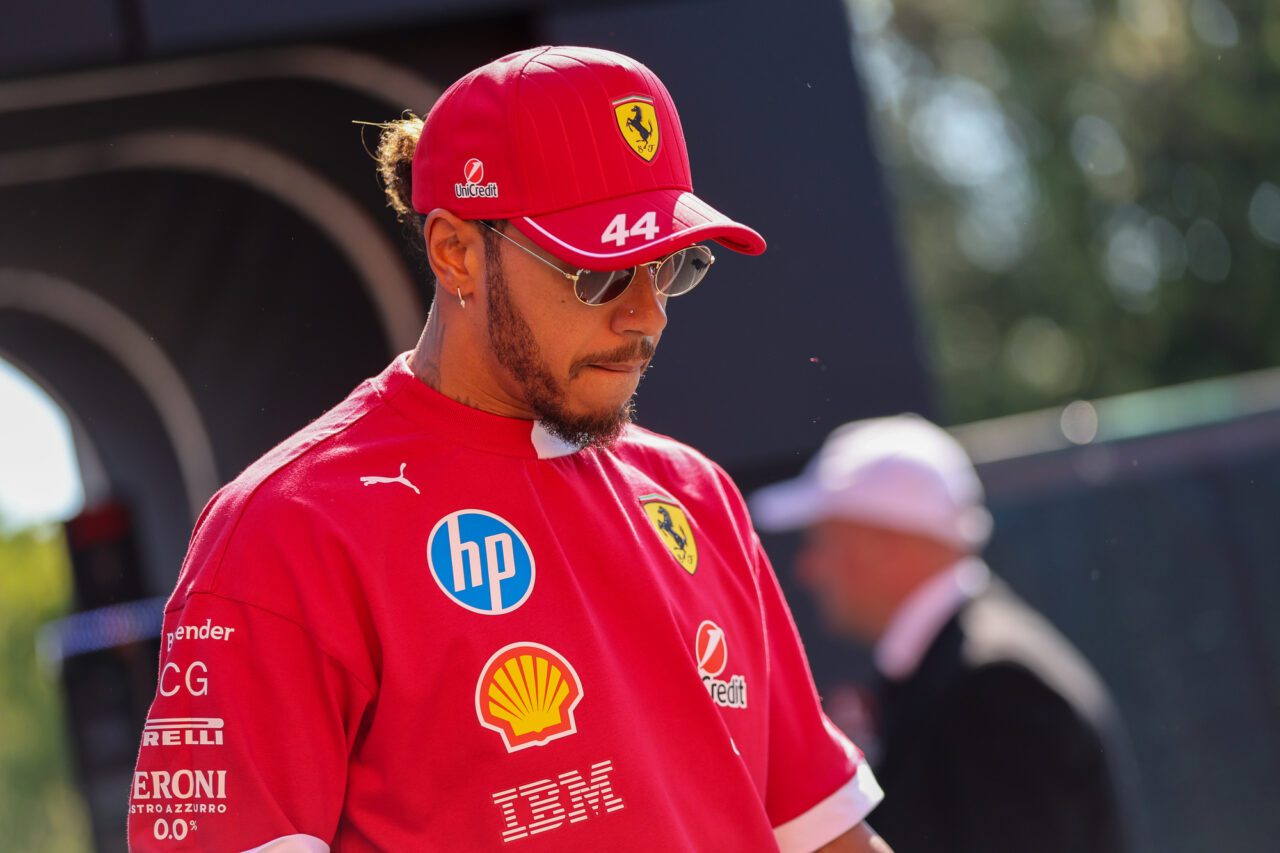
Lewis Hamilton has addressed ongoing criticism regarding his performance in ground effect Formula 1 cars. The seven-time world champion stated he likely secured more race victories than most drivers during the 2014 to 2020 period. He now reports feeling more at ease with the current generation of lighter 2026 cars.
Hamilton’s current campaign with Ferrari in 2026 marks a significant upturn in form. He achieved his maiden victory for the Scuderia at the Circuit de Barcelona-Catalunya, his 31st race start for the team. As of mid-August 2026, he holds second place in the drivers’ championship with 159 points.
This performance contrasts sharply with his debut 2025 season at Ferrari, which he described as a ‘nightmare.’ Hamilton failed to register a single Grand Prix podium finish in 2025, a first in his F1 career. He concluded that season with three consecutive Q1 exits.
His teammate, Charles Leclerc, provided a strong reference point during the 2025 season. Leclerc secured seven podium finishes that year, including second place at the Monaco Grand Prix and the Mexico City Grand Prix. Hamilton finished the 2025 season in sixth position with 156 points.
Hamilton’s assertion about his earlier success is supported by his record between 2014 and 2020. During this era, he secured six World Drivers’ Championships and accumulated 63 race wins. This included 11 victories in 2014, 2018, 2019, and 2020, and 10 wins in 2015.
Mercedes faced considerable challenges with the introduction of ground effect regulations in 2022. Their W13 car, and its successor the W14, struggled with severe porpoising and mechanical issues. The team’s distinctive ‘zero-sidepod’ concept, unveiled with the W13, proved problematic.
Technical Director James Allison later clarified that the overall car concept, rather than solely the sidepod design, was the primary cause of Mercedes’ performance struggles. The zero-sidepod approach aimed for aerodynamic efficiency but failed to protect the rear from dirty air.
Mercedes eventually abandoned the zero-sidepod design at the 2023 Monaco Grand Prix, adopting a more conventional approach for the W14. Despite these changes, the team failed to win a Grand Prix in 2023, marking Hamilton’s second consecutive winless season.
Hamilton now finds the current 2026 F1 cars ‘easier, more forgiving, and lighter.’ He noted that they no longer exhibit the bouncing issues prevalent in earlier ground effect iterations. This allows him to drive them more akin to the previous generation of cars.
He further explained that modern F1 cars demand precise throttle management and power dosing. Understanding how to influence car deployment throughout a lap by adjusting throttle input is now more crucial than in previous eras.