



Formula 1 teams have rejected a proposal from Pirelli that aimed to address widespread driver complaints regarding high tyre pressures during the current 2026 season. The tyre manufacturer had put forward a rule change to allow for reduced minimum tyre pressures in the second half of the year.
Drivers have frequently voiced concerns that the mandated minimum tyre pressures for the 2026 cars are excessively high. This condition reportedly leads to reduced grip, making the cars more challenging to drive and increasing susceptibility to locking up on corner entry.
Haas driver Ollie Bearman described the sensation as driving with ‘balloons’ earlier this season at the Barcelona Grand Prix. He noted significant degradation and overheating over a single lap, highlighting the imbalance between power and available grip.
The elevated tyre pressures are a direct consequence of Formula 1’s new active aerodynamic regulations. The substantial changes in downforce levels between straight-line and cornering modes impact the vertical load experienced by the tyres.
These higher pressures serve as a critical failsafe measure. They are designed to prevent potential tyre failures should a car’s active aero system malfunction and remain in a high-downforce configuration at high speeds.
Beyond tyre pressures, drivers have expressed near-unanimous dissatisfaction with the broader 2026 regulations. The new rules place a significant emphasis on energy management, which many drivers argue detracts from traditional racecraft.
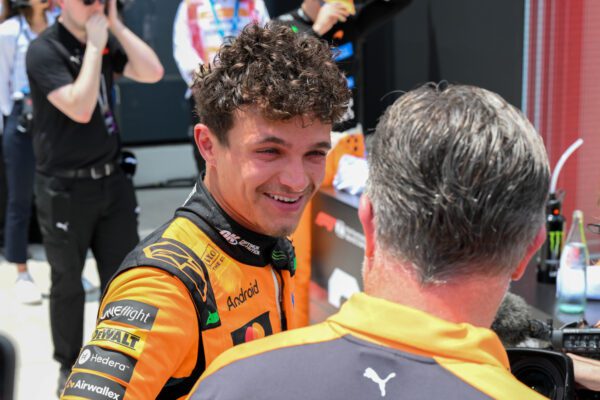
Max Verstappen and Fernando Alonso have been particularly vocal critics, highlighting how intense energy management has diminished the role of pure driving skill in races. Defending world champion Lando Norris also criticised the sport for prioritising profit over racing integrity.
Formula 1 CEO Stefano Domenicali acknowledged the driver criticism but maintained that his primary duty is to the overall health of the sport and its fanbase. He stated that fans are largely unconcerned with technical details like ‘clipping’ and are focused on on-track action.
Domenicali also affirmed that drivers are free to express their opinions but urged them to be constructive. He suggested that excessive public negativity could be detrimental to the sport’s image.
FIA Single-Seater Director Nikolas Tombazis confirmed that the governing body had anticipated many of the issues drivers are now experiencing. However, he stated that attempts to implement changes were blocked by the sport’s governance system and a lack of support from manufacturers.
The FIA had explored modifications, including a proposal to reduce maximum race energy deployment, but this effort was rejected before the season commenced. Significant regulation changes required support from the FIA, Formula One Management, and four of the five involved manufacturers.
The 2026 power unit regulations currently feature a 50/50 split between combustion and electric energy. Discussions are ongoing, with a shift to a 60/40 split in favour of combustion engines planned for the 2027 season.