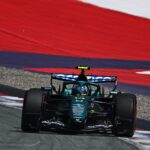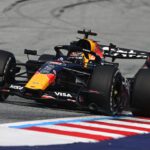




The current generation of Formula 1 cars, introduced for the 2026 season, represents a significant technical overhaul compared to their predecessors. These new regulations have led to cars that are notably smaller and lighter, aiming to enhance agility and promote closer racing. The chassis wheelbase has been reduced by 200mm to 3400mm, while the overall width has decreased by 100mm to 1900mm.
Furthermore, the floor width of the cars is now 150mm narrower. The minimum weight limit has been lowered by 30kg, bringing the cars down to 768kg or 770kg, depending on the source. These dimensional and weight reductions are part of a broader strategy to make the cars more responsive to driver input and improve wheel-to-wheel competition.
Aerodynamically, the 2026 cars feature a fundamental shift away from the previous ground-effect concept. The ground-effect floor tunnels have been removed or significantly reduced, resulting in a substantial decrease in downforce, estimated between 15% and 30%. This change is coupled with a targeted drag reduction of up to 40% to 55%.
A key innovation for the current season is the introduction of active aerodynamics, which replaces the Drag Reduction System (DRS). Cars now feature adjustable front and rear wings, allowing drivers to switch between ‘Straight Mode’ for lower drag and higher speeds on straights, and ‘Corner Mode’ for increased downforce and grip through turns.
The power units have also undergone a radical transformation. The MGU-H (Motor Generator Unit – Heat) has been eliminated, and the hybrid system now operates with a near 50/50 split between internal combustion and electric energy, a significant increase from the previous 20% electrical contribution. The MGU-K (Motor Generator Unit – Kinetic) has an expanded role, with its maximum electrical output nearly tripled from 120 kW to 350 kW.
Energy recovery during braking and deceleration has been greatly enhanced, with approximately 8.5 MJ recoverable per lap, almost double the previous amount. This increased reliance on electrical power and energy management places greater cognitive demands on drivers, as noted by Lewis Hamilton. A new Manual Override system also provides a temporary burst of electrical power for overtaking, replacing the passive DRS.
Tyre specifications have also been adjusted for the 2026 season. While the 18-inch wheel rims remain, the front tyres are now 25mm narrower, and the rear tyres are 30mm narrower. The overall diameter of the front tyres has been reduced by 1.5 cm and the rear by 1 cm, contributing to a total weight saving of 1.6 kg across all four tyres. Pirelli has also reverted to a C1-C5 slick compound range for the season.
Furthermore, the sport has transitioned to 100% advanced sustainable fuels, derived from sources such as carbon capture, municipal waste, and non-food biomass. This initiative aligns with Formula 1’s commitment to achieving net-zero carbon emissions by 2030. Fuel consumption is now measured by energy density, with a limit of 3000MJ/h.
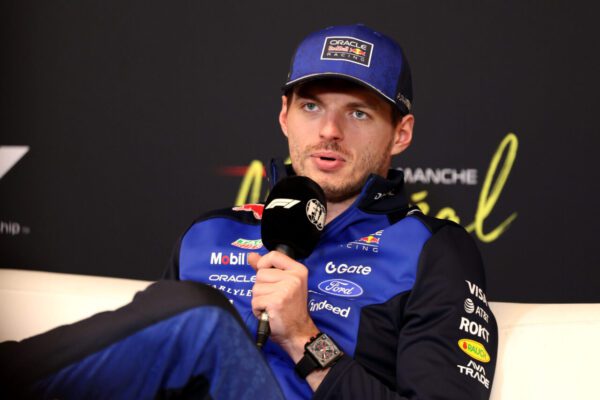
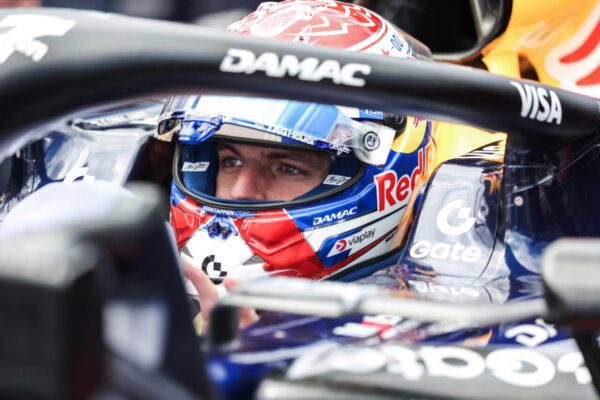
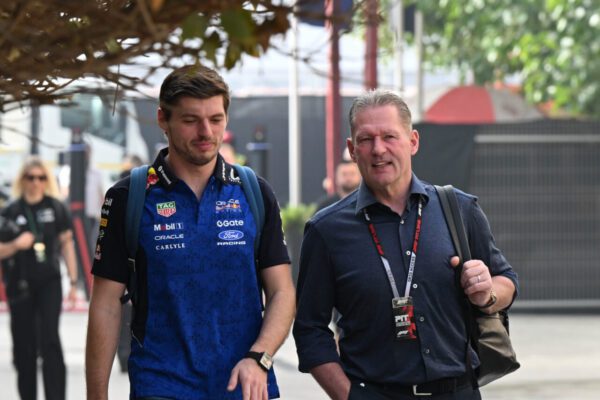
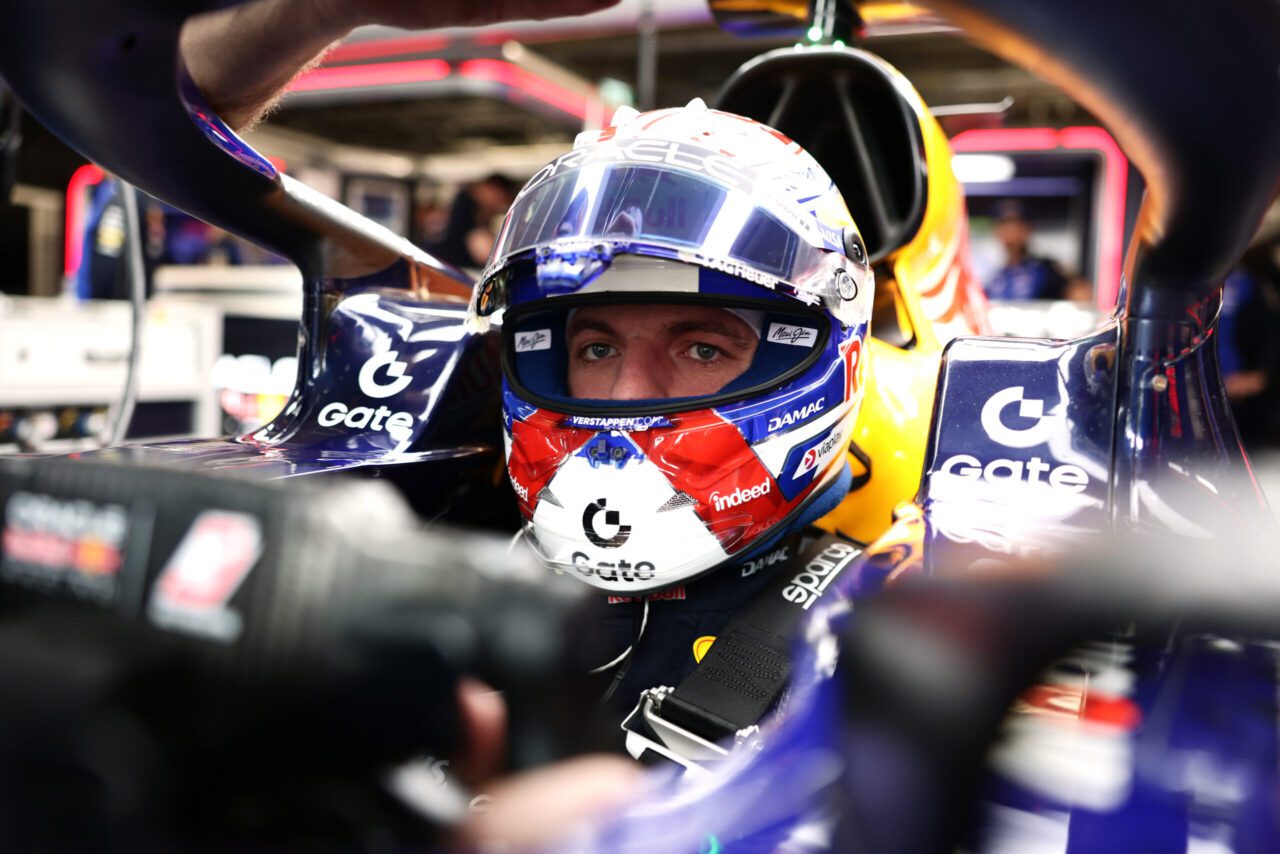
Regarding driver perception, Max Verstappen has stated that the 2026 cars are ‘easier to drive’ and that it is simpler to ‘find the limit’ due to reduced downforce and the nature of battery management. He cited the immediate competitiveness of Yuki Tsunoda at Racing Bulls and Liam Lawson at Red Bull Racing as evidence. Tsunoda, who stepped into the Racing Bulls car without prior experience of the 2026 machinery, was competitive immediately.
Yuki Tsunoda partially concurred with Verstappen, acknowledging the cars are different to drive and that energy deployment presents a challenge, but he did not find them ‘super hard.’ Liam Lawson also suggested the current Red Bull car was less treacherous than its 2025 predecessor.
However, not all opinions align with Verstappen’s assessment. Fred Vesti, Mercedes’ third driver, expressed a preference for the 2026 chassis, finding it intuitive and confidence-inspiring. Conversely, he described the 2026 power unit as ‘extremely complex’ and challenging, contrasting it with the simpler 2025 power unit.
McLaren team principal Andrea Stella also disagreed with Verstappen’s view, indicating that McLaren drivers find the current cars difficult to drive, particularly concerning the new energy management requirements.