



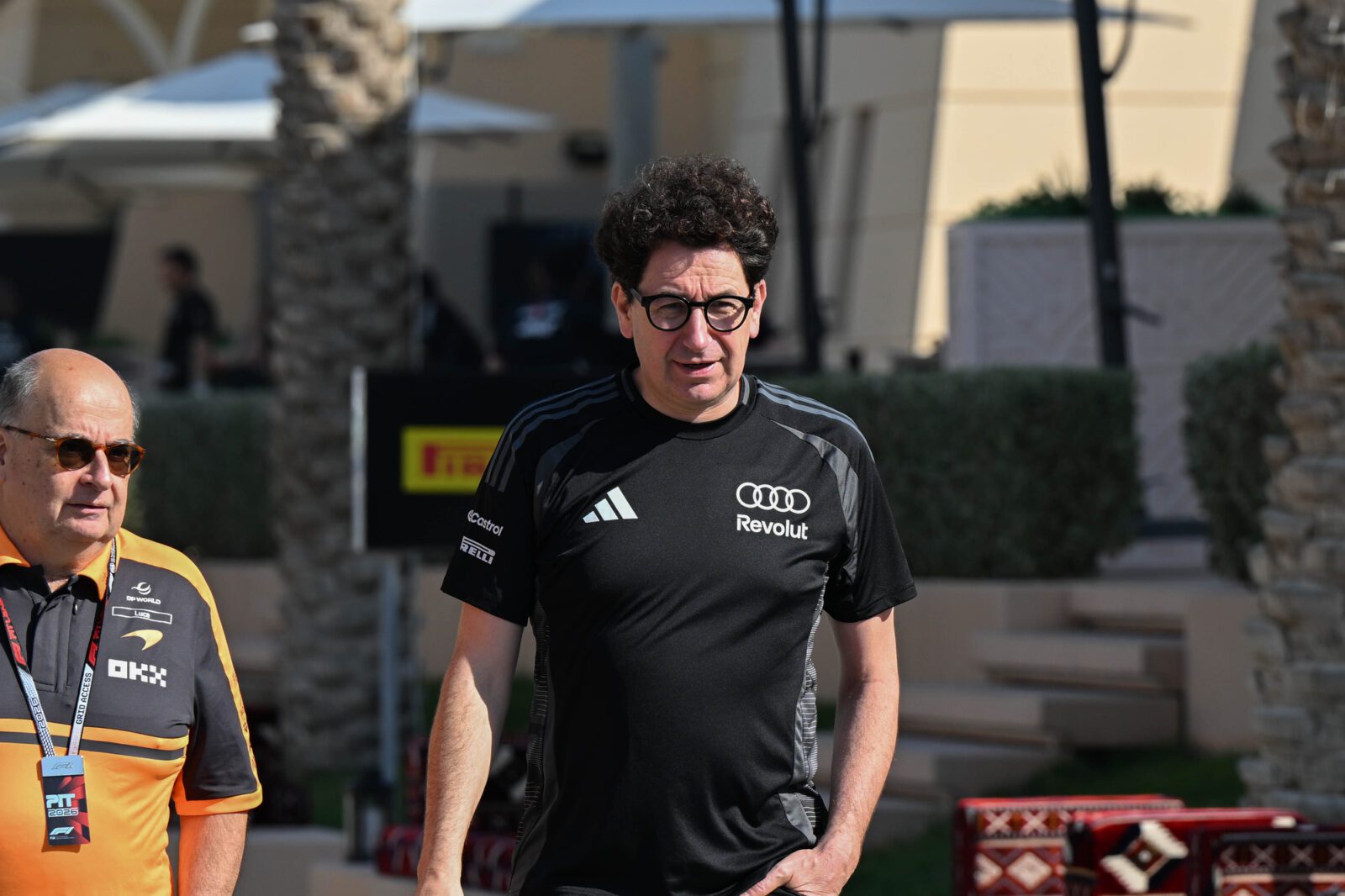
Audi F1 boss Mattia Binotto has reiterated the team’s long-term objective to contend for the Formula 1 world championship by 2030. This declaration follows a period of initial ‘relief’ regarding the project’s foundational strength during its debut 2026 season.
The German manufacturer officially entered Formula 1 in 2026, taking over Sauber’s entry as a full factory team and power unit supplier. Binotto, who joined the Hinwil-based squad in mid-2024, assumed the role of Team Principal in March 2026.
Nine races into Audi’s maiden F1 campaign, the team currently holds eighth place in the constructors’ standings. Gabriel Bortoleto has scored all six of the team’s points, with Nico Hulkenberg adding his first two points at the Hungarian Grand Prix.
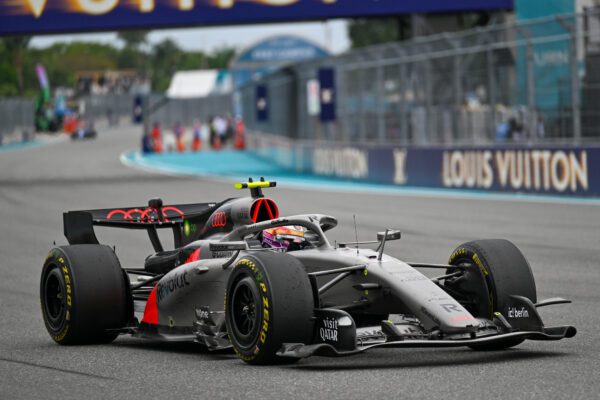
The team concluded the first half of the season with three consecutive points finishes. While the Audi R26 chassis has demonstrated competitive pace, often vying in the upper midfield, the power unit has been identified as a key deficit.
Audi was granted two Additional Development and Upgrade Opportunities (ADUO) tokens for its power unit. One upgrade, focusing on drivability, throttle response, and torque delivery, was introduced at the Spanish Grand Prix.
However, Audi has confirmed no further power unit upgrades will be introduced for the remainder of the 2026 season. This strategic decision allows the team to shift its development focus towards 2027, managing resources under the budget cap.
Racing director Allan McNish stated that major power unit developments are now scheduled for 2027. Binotto acknowledged that the power unit project was initially behind schedule when he joined, attributing this to building competence from scratch.
He views 2026 and 2027 primarily as ‘years of construction’ rather than seasons to be judged solely on race results. The long-term plan aims for a championship challenge by 2030, with 2028 targeted for a significant leap in quality.
Binotto highlighted substantial gaps compared to top teams across various areas, including team size, skills, infrastructure, and internal manufacturing capacity. The project involves a comprehensive ‘business transformation’ requiring considerable time and patience.
Much of the developmental work, including factory-based milestones, remains unseen by the public. Approximately 1,400 individuals are working on the chassis and power unit behind the scenes across the Hinwil and Neuburg facilities.
Binotto expressed satisfaction with the integration between the chassis department in Switzerland and the power unit project in Germany. He noted that the willingness of personnel to integrate and share knowledge is progressing well.
The former Ferrari team principal also indicated that rival drivers being linked to Audi demonstrates the project’s growing credibility within Formula 1. Binotto is currently enjoying the challenge of building a new team.