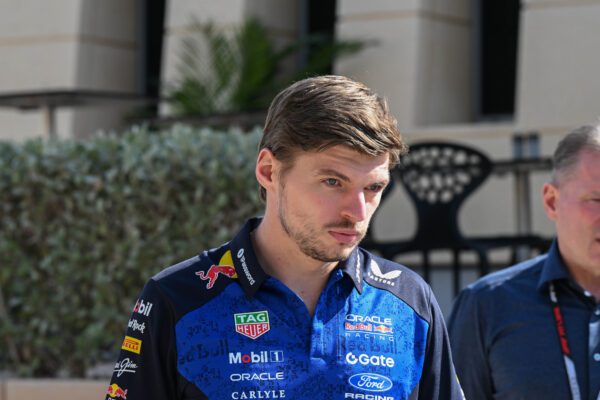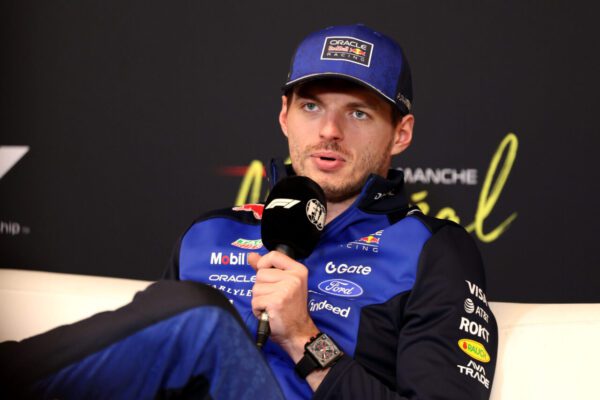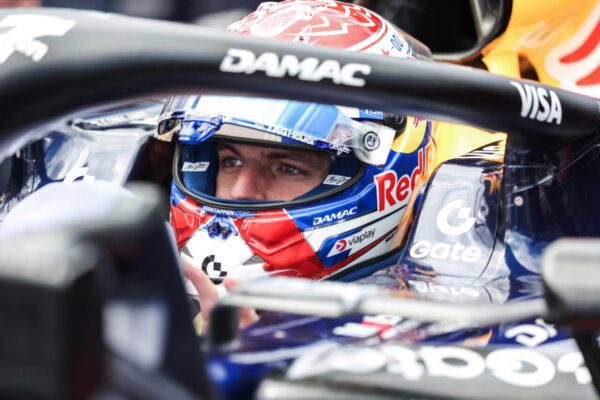



Red Bull Racing’s simulator operations are actively processing extensive feedback from Max Verstappen regarding the RB22 and the 2026 Formula 1 regulations. This ongoing work addresses a comprehensive list of items aimed at optimising car performance and driver experience. The team’s simulator drivers play a crucial role in translating these observations into tangible development pathways for the current season.
Verstappen has been a vocal critic of the new 2026 power unit regulations, which place a significant emphasis on energy management. He has previously stated that these rules have ‘neutered’ many corners, impacting a driver’s ability to make a difference on track.
The four-time world champion even humorously compared the new F1 cars to playing Mario Kart, highlighting his frustration with the ‘Overtake Mode’ and complex battery management systems. This sentiment underscores the challenges presented by the algorithmic energy deployment.
Red Bull’s simulator drivers, including Sebastien Buemi and Yuki Tsunoda, are integral to this development process. They work to ensure the simulator accurately replicates the real car’s behaviour and convert driver feedback into performance adjustments.
Yuki Tsunoda serves as the official test and reserve driver for both Oracle Red Bull Racing and Visa Cash App Racing Bulls for the 2026 season. His experience is vital in developing the RB22, which features significant aerodynamic and engine changes under the new regulations.
The RB22 is powered by the Red Bull Ford DM01 engine, marking a return to Ford power for the Milton Keynes-based team. This new power unit, alongside a double push-rod suspension layout, represents a substantial technical shift for Red Bull.
Despite an initial ‘nightmare start’ to the 2026 season, which saw Red Bull Racing sixth in the constructors’ championship by April, the team has made considerable development efforts.
Laurent Mekies, CEO and Team Principal of Oracle Red Bull Racing, confirmed that the team has introduced a ‘huge amount of development’ to the RB22. This was aimed at correcting an initial performance deficit.
Recent reports from simulator driver Sebastien Buemi indicated that Verstappen was satisfied with the RB22’s balance during preparations for the Belgian Grand Prix. This suggests progress in addressing some of the car’s handling characteristics.
The Red Bull Ford Powertrains project has also reportedly exceeded internal expectations, demonstrating reliability and performance at events like the Hungarian Grand Prix. All four Red Bull Ford-powered cars finished in the top 10 at that event.
The ongoing feedback from Verstappen and the simulator team remains critical as Red Bull navigates the complexities of the 2026 regulations and continues to refine the RB22. The focus remains on closing the performance gap to leading competitors.