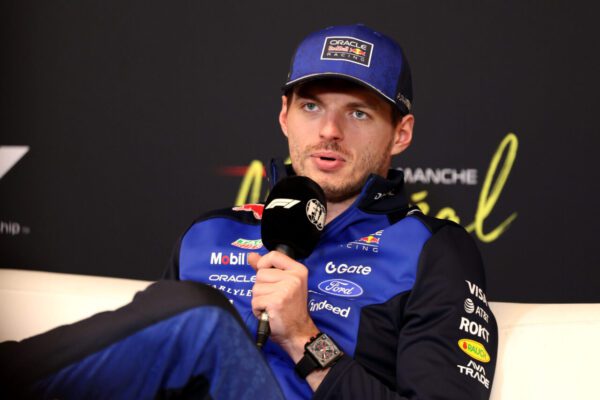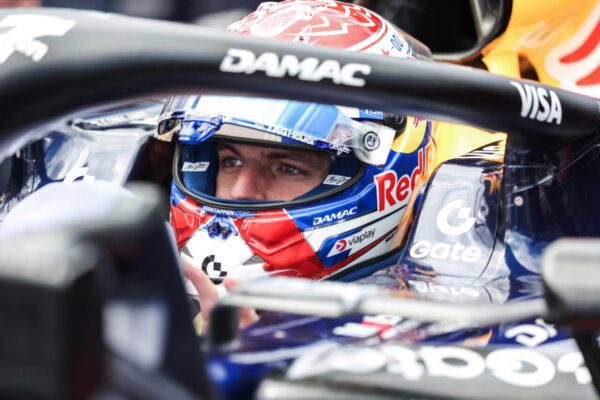




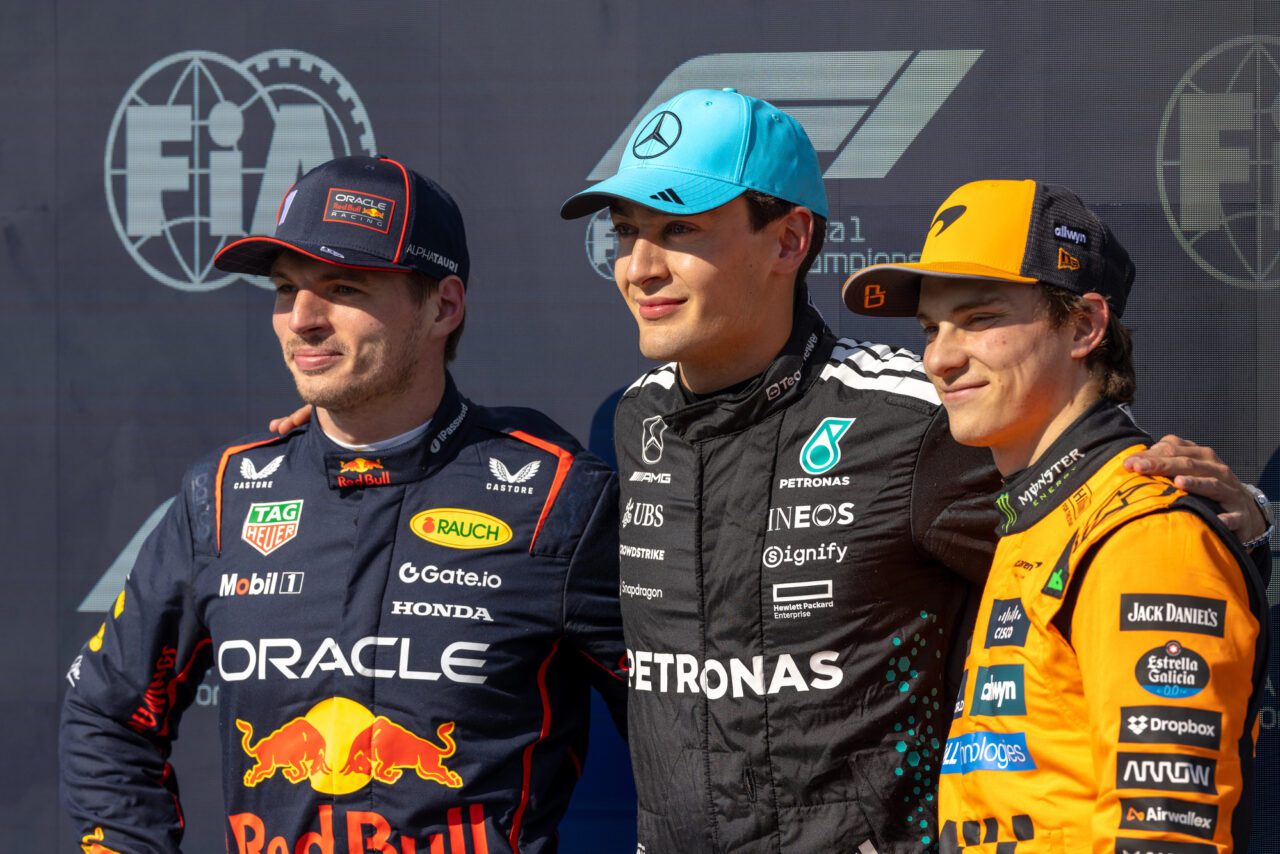
Mercedes Team Principal Toto Wolff has issued a statement regarding internal team dynamics, widely interpreted as a response to recent comments made by Max Verstappen. Wolff’s remarks followed the British Grand Prix, where Verstappen publicly expressed frustration with Red Bull Racing’s strategy.
Wolff emphasised the importance of collective responsibility within a Formula 1 team. He stated that public criticism or ‘pointing fingers’ is detrimental to teamwork and overall performance. This perspective aligns with Mercedes’ long-standing operational philosophy.
Verstappen’s comments came after a challenging British Grand Prix earlier this month. He reportedly voiced concerns over Red Bull’s tyre degradation management during the race. The Dutch driver finished third, behind both Mercedes competitors.
His post-race remarks implied strategic missteps by his Red Bull team. Verstappen’s frustration was evident as he struggled to maintain pace against the Mercedes cars. This performance marked a notable challenge for the reigning champion.
Christian Horner, Red Bull Racing’s Team Principal, subsequently defended the team’s strategic decisions. Horner acknowledged areas for potential improvement but stressed the importance of team unity. He reiterated Red Bull’s commitment to working cohesively.
The F1 paddock has noted Wolff’s comments as a broader message concerning driver conduct and team cohesion. His statements are seen as a subtle but direct address to perceived tensions within rival operations.
Mercedes maintains a strong belief in finding solutions collaboratively. Wolff’s intervention underscores a contrasting approach to managing internal team challenges. The focus remains on unified progress.
This situation highlights ongoing discussions about communication protocols between drivers and their respective teams. The balance between driver feedback and team solidarity remains a critical aspect of F1 operations.