

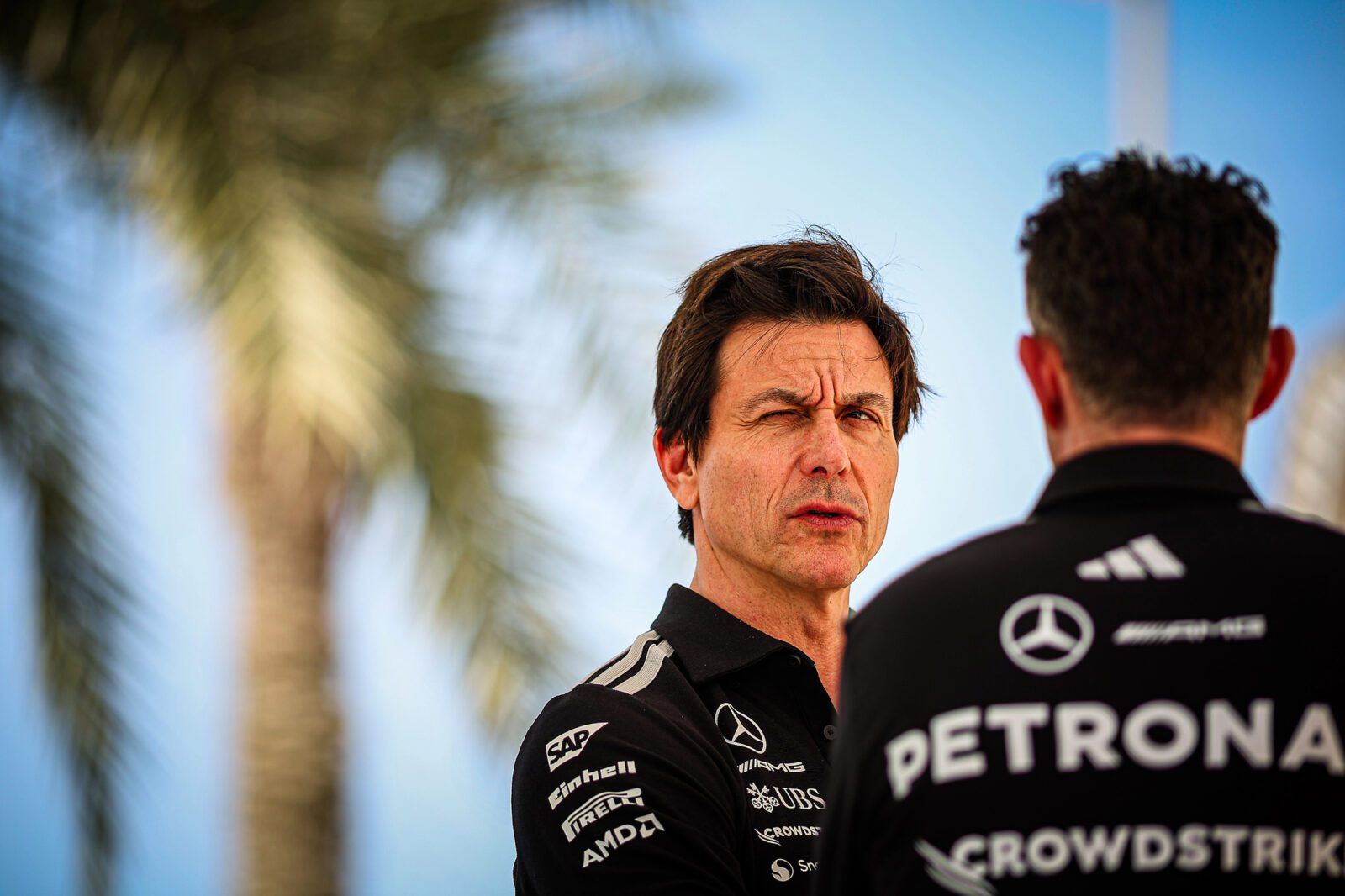
Mercedes Team Principal Toto Wolff has expressed support for the reintroduction of V8 engines in Formula 1, targeting the 2030 or 2031 regulatory cycle. Wolff described the sound of current power units on the starting grid as resembling a ‘fire alarm’.
FIA President Mohammed Ben Sulayem is actively pursuing a return to V8 power units, stating that the change ‘is coming’. The FIA holds the authority to unilaterally implement V8 engines by 2031 if a consensus among manufacturers is not reached sooner.
Discussions are ongoing between Wolff, Ben Sulayem, F1 CEO Stefano Domenicali, and other engine manufacturers regarding the future direction of power unit regulations. The proposed V8 architecture aims for a simpler, higher-revving internal combustion engine.
The envisioned power unit would feature a significantly reduced electrical component, with a potential 80:20 split favouring the internal combustion engine over the battery system. This setup targets a total output of approximately 1,000 horsepower.
The current 2026 Formula 1 regulations introduced a 1.6-litre turbocharged V6 engine with an approximate 50:50 split between internal combustion and electrical power. The complex MGU-H component was removed to simplify the power unit and attract new manufacturers.
However, the current engine formula has faced criticism from drivers and fans regarding its sound and the demands of energy management during races. Wolff noted the complexity of these engines has altered the nature of racing.
Prior to any V8 reintroduction, Formula 1 is implementing interim power adjustments. The current 50:50 power split is scheduled to shift to a 60:40 ratio favouring thermal combustion by 2028.
A proposed 50 kW increase in internal combustion engine power for 2027 was blocked by Ferrari. Consequently, a 20 kW increase will be introduced for 2027, followed by a 50 kW increase in 2028.
The move towards V8 engines is driven by objectives including improved sound, reduced complexity, and lighter car weights. These units would operate on 100% sustainable fuels.
F1 CEO Stefano Domenicali has indicated that a package for discussion regarding future engine regulations will be prepared by the end of this year. He has stressed that Formula 1 should not be dictated by manufacturers.
The 2026 Formula 1 season saw Mercedes secure six consecutive Grand Prix victories at the start of the year, though their advantage has since narrowed. Ferrari and McLaren have also achieved wins this season.
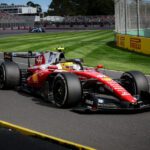
Lewis Hamilton, now driving for Ferrari, secured his first victory with the Scuderia at the Circuit de Barcelona-Catalunya this season. He has rated his performance in the first half of 2026 as ‘slightly above average’.
Kimi Antonelli, Hamilton’s replacement at Mercedes, is currently performing strongly and holds a 50-point lead over Hamilton in the Drivers’ standings as the sport enters its summer break.
The Formula 1 season resumes with Round 12, the Dutch Grand Prix at Zandvoort, scheduled for August 21-23.