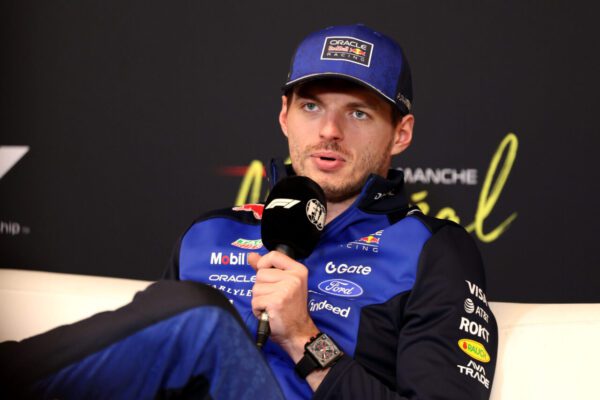


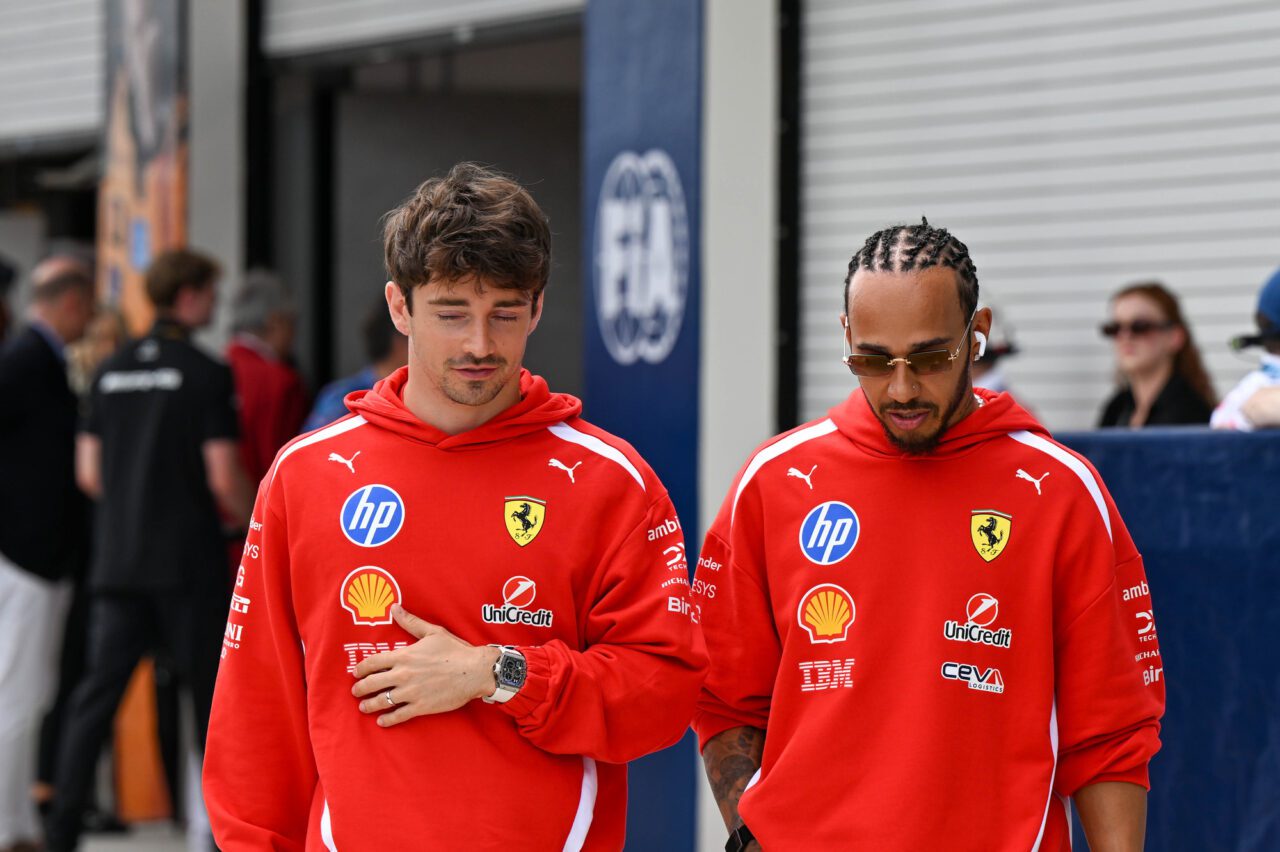
Veteran Formula 1 analyst Peter Windsor has offered a sharp assessment of Lewis Hamilton’s current vulnerabilities within the 2026 regulations, a dynamic Max Verstappen has reportedly understood for years. Windsor suggests the new technical framework has altered the competitive landscape for elite drivers.
Windsor contends that the 2026 Formula 1 regulations, particularly concerning power unit energy harvesting, have effectively ‘neutralized the talent’ of top drivers such as Verstappen and Charles Leclerc. He argues that these rules risk homogenizing driver performance across the grid.
The analyst further explains that the current regulations compel drivers to manage energy more conservatively, requiring earlier lifts and less aggressive attacking. This approach, according to Windsor, prioritizes control over instinct, thereby diminishing the inherent advantages of the sport’s most skilled competitors.
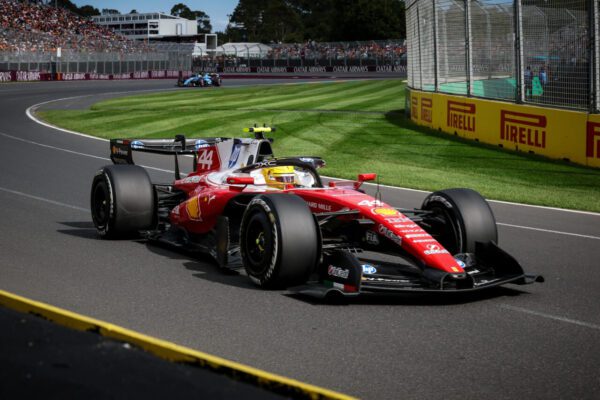
Despite these regulatory shifts, Lewis Hamilton has shown improved form during the 2026 season with Ferrari. He secured his first Grand Prix victory for the team in Barcelona, marking his first win since 2024. Hamilton currently holds second position in the 2026 Drivers’ Championship after a P4 finish at the Belgian Grand Prix on July 19, 2026.
Windsor attributes Hamilton’s resurgence partly to the 2026 car’s characteristics, suggesting they may be more aligned with his driving style compared to the unstable rear of the 2025 SF-25. He noted that the difference in car suitability between Hamilton and Leclerc has ‘shrunk’ this season.
Hamilton has historically favored a late, aggressive braking and turn-in style, often referred to as ‘V-ing’ the corner. Windsor’s analysis indicates that when Hamilton deviates from this natural approach, the Ferrari may not deliver the desired rotation, potentially exposing a vulnerability.
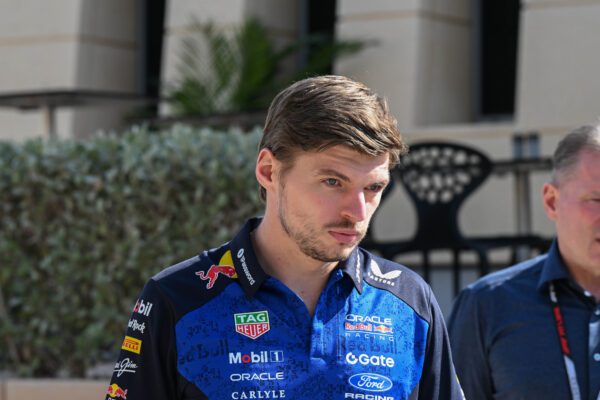
Conversely, Max Verstappen’s 2026 season with Red Bull Racing has been challenging. The team has yet to secure a Grand Prix victory this year, making them the only top-four constructor without a win.
Verstappen has openly expressed dissatisfaction with the RB22’s balance and aerodynamic limitations. He has also been a vocal critic of the 2026 engine regulations, which emphasize battery harvesting and energy deployment, finding them difficult to adapt to.
The Dutchman currently sits P6 in the Drivers’ Championship with 109 points, four podiums, and no wins by mid-season. This represents his lowest points, podiums, and wins tally at this stage of a season since 2018 and 2017, respectively.
While Hamilton benefits from regulations that may mask previous car-related difficulties, Verstappen, despite his current car’s issues, continues to demonstrate a precise driving style. This capability allows him to generate rotation effectively, a trait that could exploit any inherent vulnerabilities in his competitors, a dynamic Windsor has observed over time.