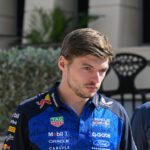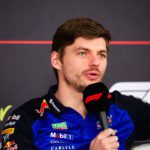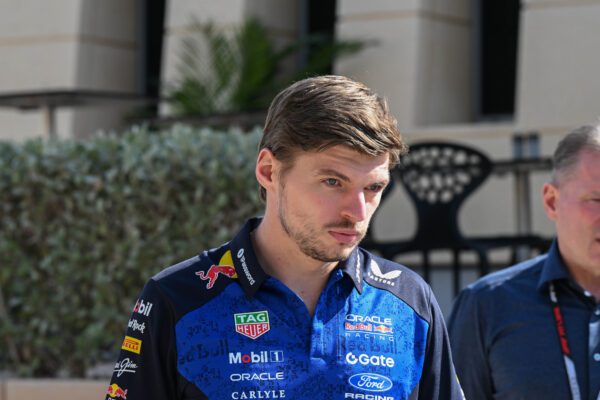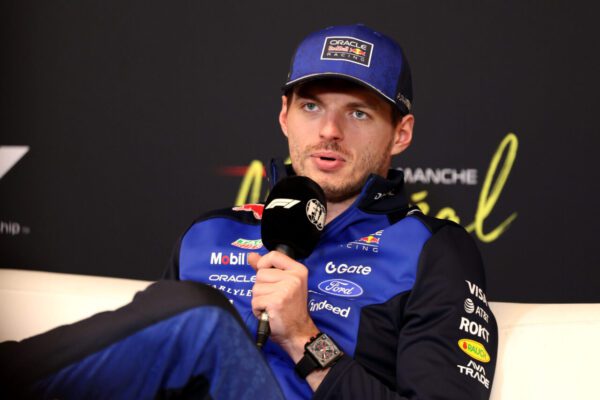
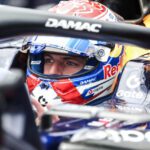
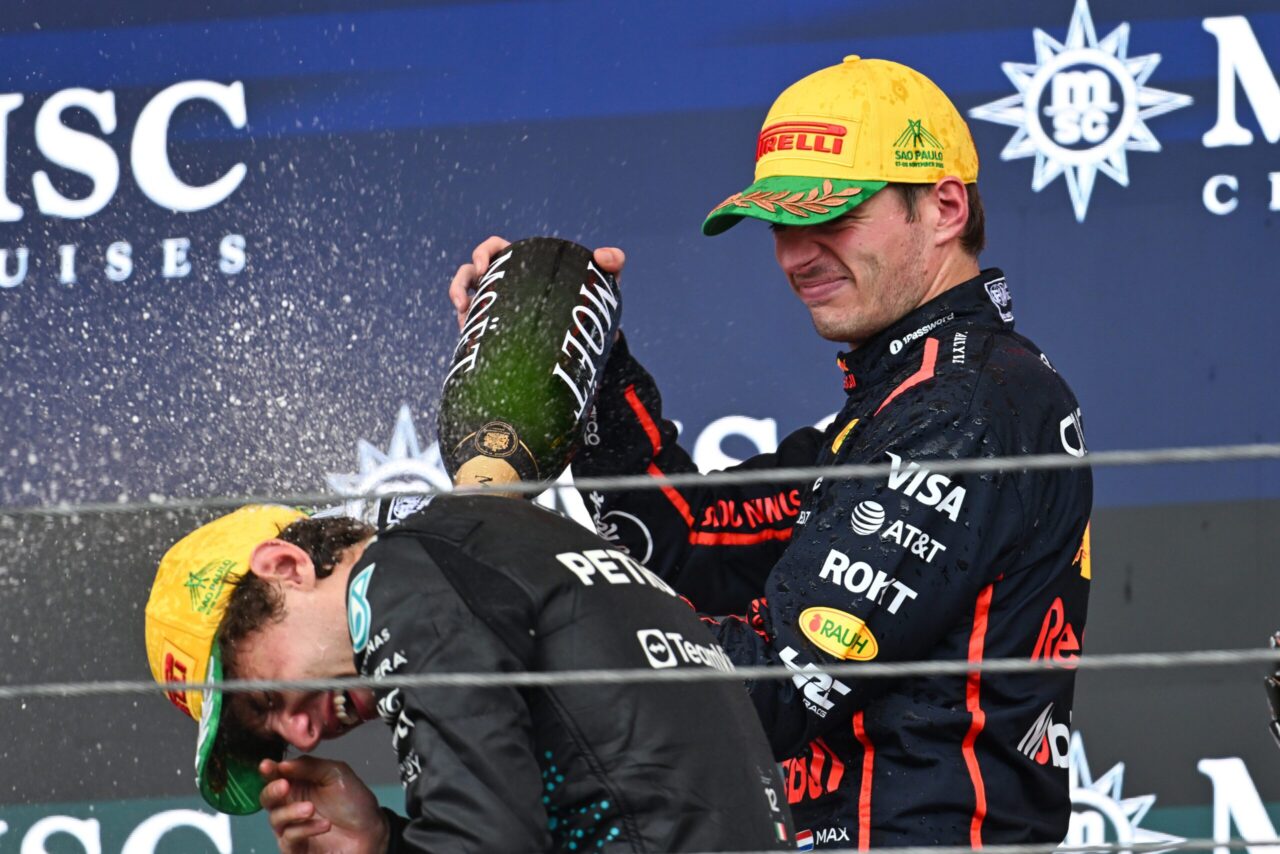
Veteran Formula 1 analyst Peter Windsor recently lauded Max Verstappen’s performance at the 2026 Hungarian Grand Prix, describing the Dutchman as the ‘definition of a world champion’. Windsor’s remarks follow a challenging race weekend for Red Bull Racing.
Verstappen secured a second-place finish in Hungary on July 26, 2026, despite persistent issues with his Red Bull car’s handling. Windsor noted Verstappen’s error-free drive and exceptional car management throughout the event.
Windsor stated that Verstappen was ‘moving mountains’ for Red Bull, adapting his driving style to maximise the car’s package. He also praised Verstappen’s strong start from the dirty side of the grid.
These comments align with Windsor’s established views on what constitutes a true world champion. He has previously critiqued the Formula 1 points system, suggesting it does not consistently reward the best driver.
In December 2025, Windsor argued that a championship title won purely on points might not reflect the top driver’s overall talent. He cited historical examples to support his claim.
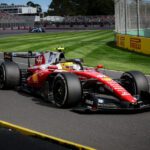
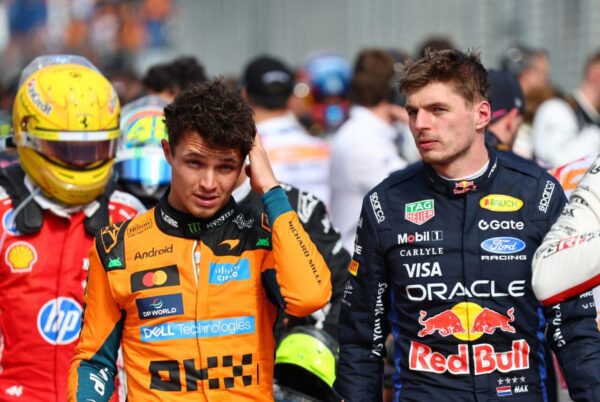
Windsor specifically contrasted Verstappen’s performance with that of Lando Norris, who recently won the Hungarian Grand Prix for McLaren-Mercedes. Norris secured pole position by 0.012 seconds over Charles Leclerc.
Despite Norris’s victory, Windsor’s earlier analysis from late 2025 highlighted a perceived difference in ‘overall robustness’ between the two drivers. He particularly pointed to Norris’s performance in wet conditions.
Windsor maintained that Verstappen would ‘always have the edge’ over Norris on a wet track. He referenced Stirling Moss’s belief that racing prioritises winning over accumulating points.
Verstappen’s consistent ability to extract maximum performance from his machinery has been a recurring theme in Windsor’s assessments. This includes a valiant third-place finish at the Belgian Grand Prix earlier in July 2026, despite power unit disadvantages.
Windsor’s analysis of the Hungarian GP further underscored Verstappen’s capacity to perform under pressure, even when the car’s balance was not optimal.