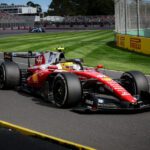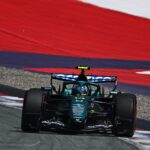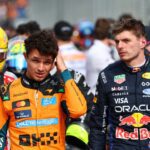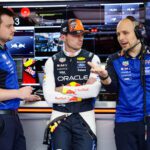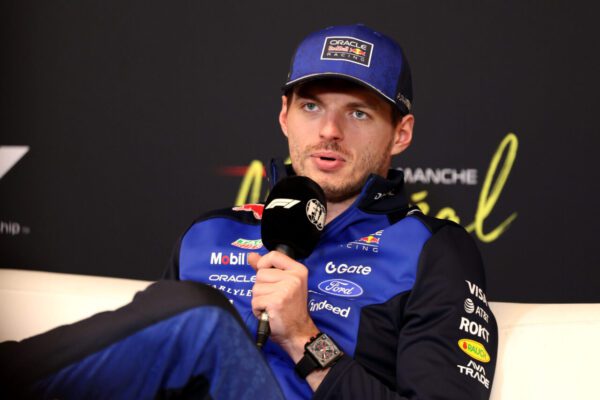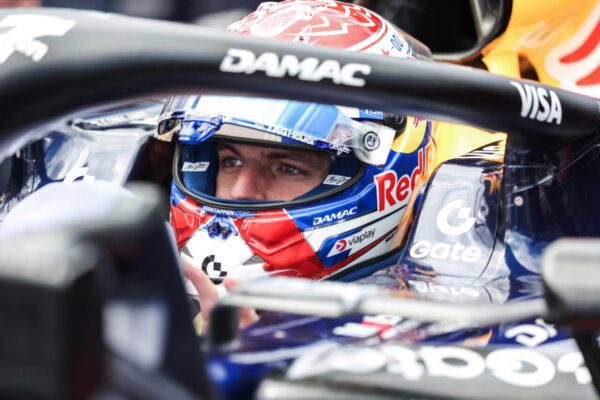
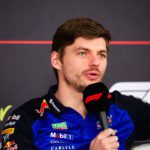
Max Verstappen secured a third-place finish at the Belgian Grand Prix on July 19, 2026, prompting international media to assess his performance against the capabilities of the Red Bull Racing car. This result marks his first podium since the new 2026 technical regulations were introduced.
The four-time world champion briefly led the race at Spa-Francorchamps after overtaking Andrea Kimi Antonelli at the start. However, he quickly became vulnerable due to issues with energy deployment from his power unit.
Verstappen later stated that a Virtual Safety Car period during the race was ‘unlucky,’ potentially costing him a chance to contend for second position. He felt he could have battled Charles Leclerc under different circumstances.
Red Bull Racing had reverted to an older specification of rear wing for the Belgian Grand Prix, following previous incidents at the Austrian and British Grands Prix. Verstappen expressed satisfaction with its performance.
Despite the podium, the underlying performance of the Red Bull RB22 remains a point of discussion. Verstappen is currently seventh in the Drivers’ Championship with 91 points, while Red Bull Racing holds fourth in the Constructors’ standings with 151 points.
The 2026 Formula 1 regulations, which mandate a near 50/50 split between electrical and internal combustion engine power, have significantly impacted car performance. Spa-Francorchamps, with its long straights, particularly exposed the RB22’s weaknesses.
Verstappen has been critical of the new generation of cars, describing them as having ‘more or less the power of a Formula 3’ car combined with Formula 1 downforce. He noted this makes them ‘not very exciting to drive.’
He further explained that in Sector 2 at Spa, drivers operate predominantly on the internal combustion engine, delivering approximately 450 to 500 horsepower. This highlights the car’s inherent drag and power unit limitations on high-speed sections.
Earlier in the season, Verstappen voiced concerns regarding the RB22’s engine, balance, understeer, and oversteer. The team has also experienced reliability issues with its power unit, including two retirements in the initial three races.
Media analysis suggests that while Verstappen’s driving standards have not declined, the new energy management-focused formula makes it increasingly difficult for him to consistently ‘out-drive’ the car’s inherent limitations.
Christian Horner, Red Bull team principal, previously stated in July 2025 that Verstappen intended to remain with the team for 2026, despite ongoing speculation about a potential move to Mercedes.