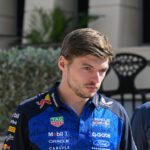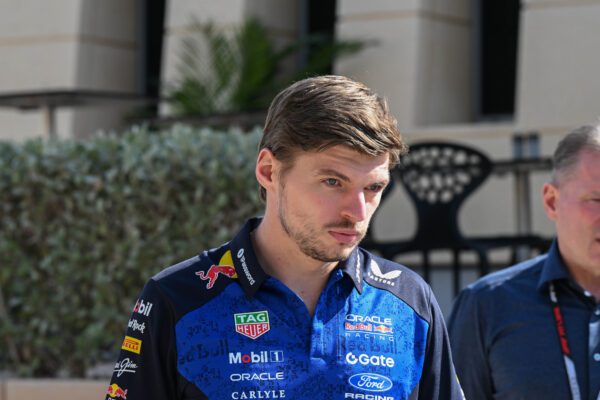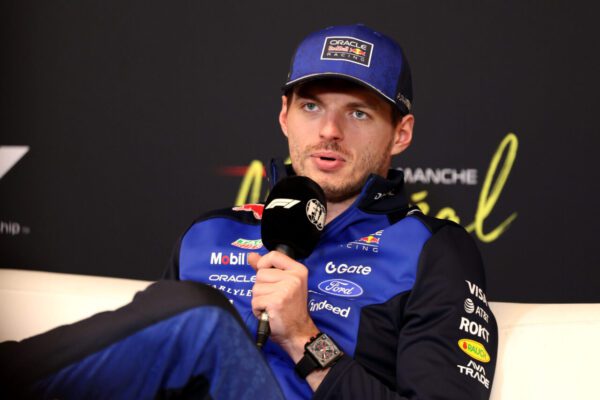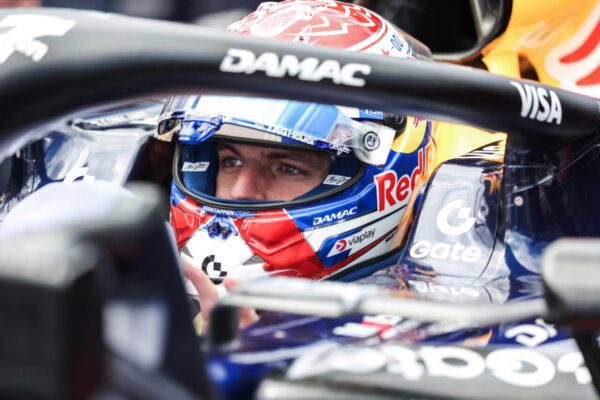



Max Verstappen’s contract with Red Bull Racing, which extends until the close of the 2028 season, includes performance-related exit clauses. These clauses can be activated in October of the current year, allowing the driver to depart for the 2027 season.
The conditions for triggering this clause stipulate that Verstappen must not be ranked within the top two positions in the Drivers’ Championship by the summer break in August. As of July 17, 2026, Verstappen currently holds seventh place in the standings, making the activation of this clause a foreseeable outcome.
Verstappen has openly expressed his dissatisfaction with Red Bull’s performance during the 2026 season. Issues such as persistent top-speed deficits and recurring failures of the novel rotating rear wing, notably at the Austrian and British Grands Prix, have contributed to his frustration.
His manager, Raymond Vermeulen, has affirmed Verstappen’s desire to complete his tenure with Red Bull through 2028. However, Vermeulen also stated that Verstappen requires a competitive car capable of contending for victories, emphasizing that he ‘was not born to race in the midfield’.
The landscape of potential alternative teams for Verstappen in 2027 has significantly narrowed. Mercedes’ interest has reportedly diminished following Kimi Antonelli’s strong start to the 2026 season, and George Russell’s contract has been extended into 2027.
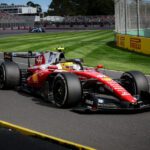
Ferrari’s driver lineup, consisting of Lewis Hamilton and Charles Leclerc, is secured until at least the end of the 2027 season, precluding any immediate opportunity for Verstappen. This leaves limited top-tier options outside of his current team.
Speculation linking Verstappen to McLaren for 2027 has also subsided. McLaren CEO Zak Brown has publicly stated his satisfaction with Lando Norris and Oscar Piastri. Piastri himself confirmed this week that he will remain with McLaren for the 2027 season, effectively closing that avenue.
Verstappen has indicated that Red Bull is fully aware of the necessary steps to retain him beyond the current contract’s conditional period. The team’s focus is now on convincing him of their long-term technical direction and competitive prospects for the upcoming regulatory cycles.
Discussions within the sport also involve proposed changes to the 2027 power unit regulations, aiming for a 60/40 split between internal combustion and electric power. These changes, intended to enhance the driving experience, have faced opposition from Audi, Honda, and Ferrari due to financial and investment concerns.
Verstappen has previously suggested that his continued participation in Formula 1 could depend on such regulatory adjustments, stating that driving under the current rules beyond this season is ‘not doable’ without modifications. Red Bull’s ability to address these performance and regulatory concerns will be critical.
‘A lot is being written. But the truth is that Max wants to finish his stint at Red Bull. He has a contract through 2028 and wants to see it out,’ stated Raymond Vermeulen.
Vermeulen also noted that the Red Bull Ford Powertrains engine is performing ‘better than most people had expected’, offering a potential foundation for future performance improvements. The team’s immediate challenge is to translate this into a consistently competitive car.