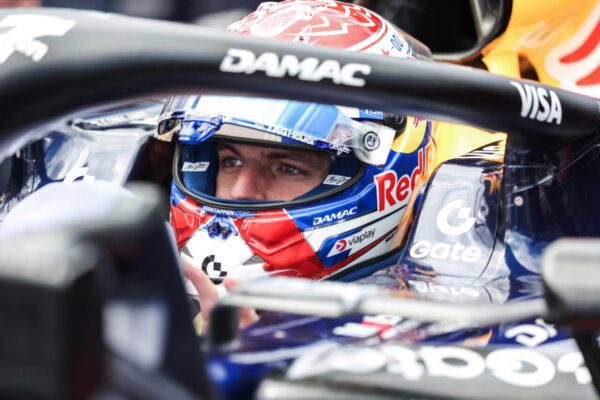




Max Verstappen has ended speculation about his future by signing a contract extension with Red Bull Racing. The new agreement will keep the four-time world champion with the team until the end of the 2030 season.
The announcement concludes months of conjecture which had linked Verstappen to rival teams, including Mercedes and McLaren. This followed a difficult start to the 2026 season for Red Bull under the new technical regulations.
Verstappen has been vocal about his dislike for the new power unit formula. He previously stated the racing was ‘not fun at all’ and compared it to ‘playing Mario Kart’. His frustrations were compounded by the team’s drop in performance.
Red Bull has struggled to match the pace of its rivals this season. Verstappen currently sits sixth in the driver standings and is yet to secure a victory in the current campaign. The situation led to suggestions he might leave the team or the sport entirely.
During the announcement of his new contract, Verstappen noted he was closer to retiring from Formula 1 than he was to changing teams. This highlighted both his dissatisfaction with the regulations and his loyalty to Red Bull.
‘I think I was closer to retiring than changing team,’ Verstappen stated when discussing his future before committing to the new deal.
Despite the team’s current struggles, the long-term extension signals his confidence that Red Bull can return to a competitive level. The deal is a significant statement of mutual trust between the driver and the Milton Keynes-based outfit.
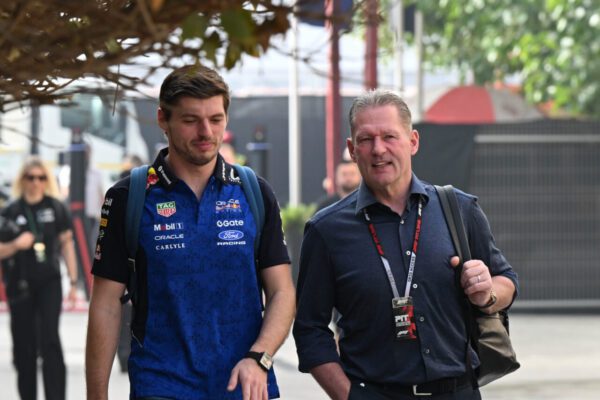
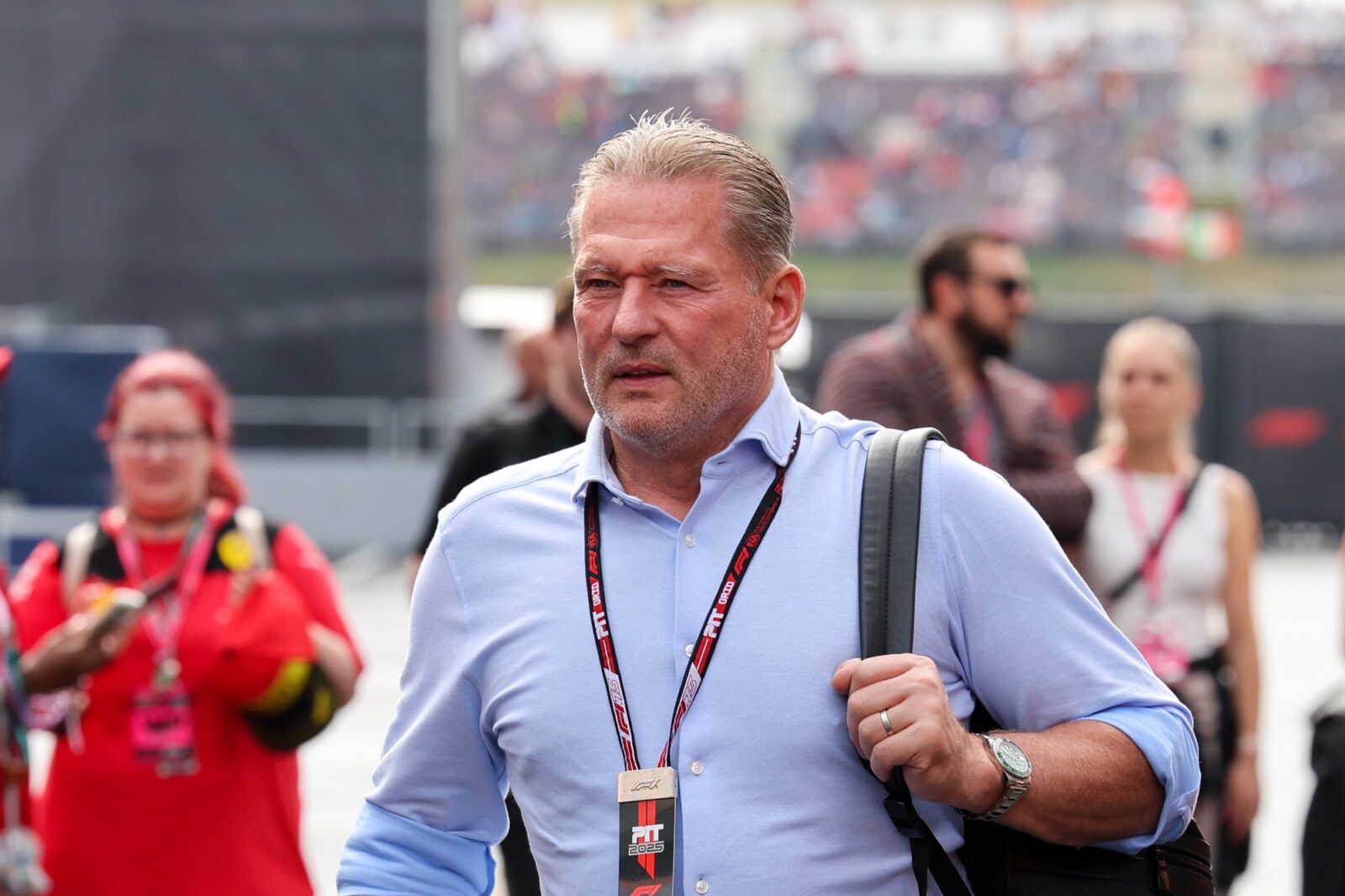
His father, Jos Verstappen, has since confirmed that the new contract contains specific agreements. These clauses could allow for an earlier exit if certain performance targets are not met by the team.
However, Jos Verstappen also stressed that the intention is for his son to remain with Red Bull for the duration of the contract. He emphasized their loyalty to the team where Max has achieved all his success.
The extension ensures Red Bull has retained its lead driver for the entirety of the current regulation cycle, which is set to expire at the end of 2030. Unconfirmed reports suggest the deal could be valued at $100 million annually.