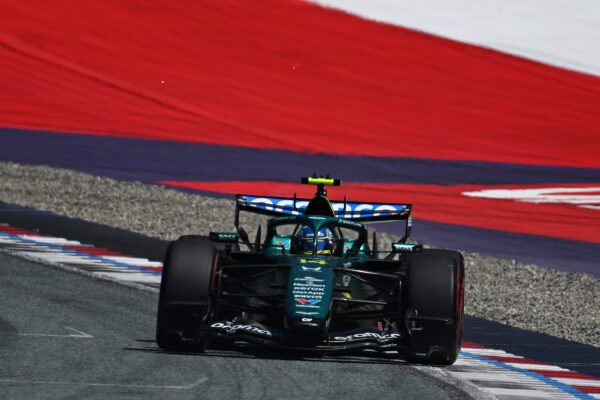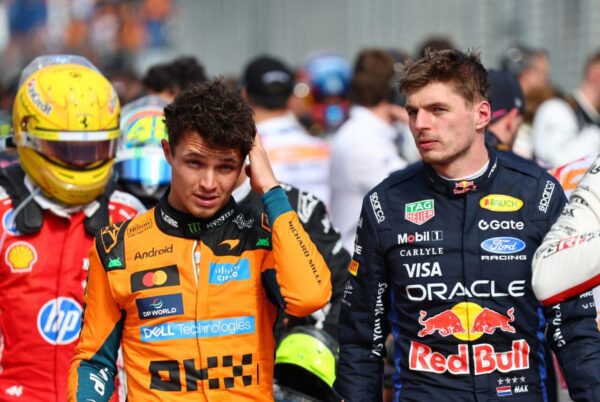





Max Verstappen will not utilise a driver cooling vest during the 2026 Singapore Grand Prix weekend, despite the event being declared a heat hazard by the FIA. The Red Bull driver expressed strong reservations regarding the effectiveness and design of the mandated equipment. Verstappen stated the vests feature ‘stupid cables’ that restrict movement within the cockpit.
The FIA implemented new regulations for driver safety in extreme conditions following the 2023 Qatar Grand Prix, where several competitors experienced severe heat exhaustion. These rules became mandatory for the 2026 season, requiring teams to install a Driver Cooling System (DCS) when ambient temperatures are forecast to exceed 31 degrees Celsius.
While teams must fit the cooling system components to their cars, drivers retain the option to forgo wearing the personal cooling vest. Drivers who choose not to wear the vest must carry an additional 0.5kg of ballast in the cockpit to negate any competitive advantage.
Verstappen maintained that the cooling vests do not provide sustained relief. He noted that in his experience, such devices have never functioned effectively for the entire duration of a Grand Prix, typically lasting only 15 to 20 minutes.
‘For me, it’s not needed. Yes, it’s hot, but it’s not a sauna. And with this cooling vest, you have these stupid cables in your car, so you’re just limiting your movement as well. I don’t need it. It doesn’t work anyway for one and a half hours.’
Other drivers share similar concerns. Charles Leclerc observed that the system can become counterproductive once the ice melts, circulating warm water. Oscar Piastri highlighted the unreliability of the system if it fails mid-race.
Esteban Ocon commented on the bulkiness of the vests, suggesting they might necessitate a complete redesign of driver seats. He also indicated the vests’ cooling effect typically dissipates after approximately 40 minutes.
Mercedes drivers Kimi Antonelli and George Russell have also opted against using the vests for the Singapore event. Mercedes has prioritised car development resources over perfecting a robust cooling vest system for its 2026 challenger.
Conversely, Carlos Sainz supports the cooling system, asserting it provides a performance advantage and that drivers not using it will suffer physically. George Russell, despite his team’s decision, is a vocal advocate for effective cooling, referencing Alex Albon’s struggles at the 2023 Qatar Grand Prix.
Fernando Alonso believes the FIA has already established sufficient regulations by declaring heat hazards, and the decision to wear a vest should remain a personal choice for drivers and teams. Lewis Hamilton also stated drivers should decide for themselves.
The FIA has allocated cost cap exemptions to encourage cooling system development. Teams can receive $50,000 for a system effective for a full race, with an additional $75,000 for comfort and effectiveness improvements, totalling $125,000.
Nikolas Tombazis, FIA Single-Seater Technical Director, has placed the onus on teams to develop comfortable and effective systems. The FIA continues to review medical research and feedback from the Grand Prix Drivers’ Association (GPDA) to refine regulations.
The Singapore Grand Prix marks the fourth heat hazard declaration of the 2026 season. Previous events under this protocol include the Austrian Grand Prix, the Italian Grand Prix, and the Bahrain Grand Prix held in Malaysia.
Weather forecasts for the Singapore Grand Prix weekend indicate challenging conditions. Friday’s temperatures reached 33 degrees Celsius, feeling like 41 degrees Celsius due to humidity. Saturday and Sunday are expected to see highs of 33C and 32C respectively.
Humidity levels are projected to be high, potentially reaching 83% at the scheduled race start. There is also a possibility of thunderstorms, particularly on Saturday afternoon and evening, which could affect the Sprint and Qualifying sessions.
Track temperatures at the Marina Bay Street Circuit are anticipated to peak between 55 and 56 degrees Celsius. Singapore’s combination of high temperatures, humidity, and limited airflow makes it a consistently demanding event, even with its night race format.
Beyond the heat, the Singapore Grand Prix weekend also faces concerns regarding air quality due to smog from fires in nearby Indonesia. This environmental factor is being managed separately from the heat hazard protocols.