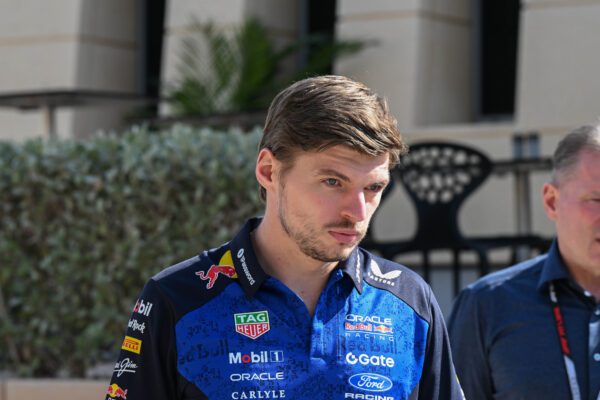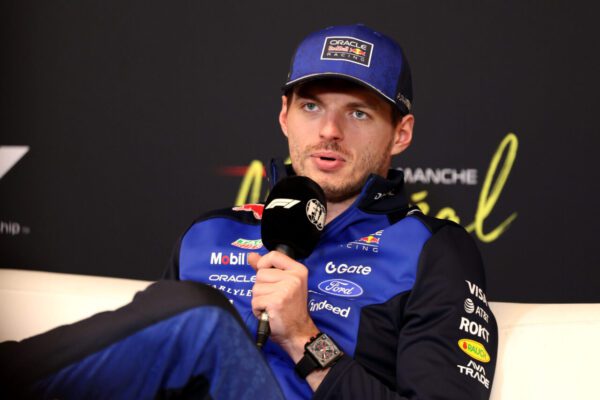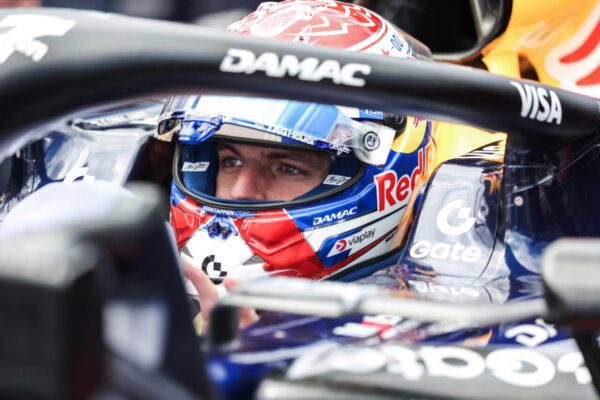



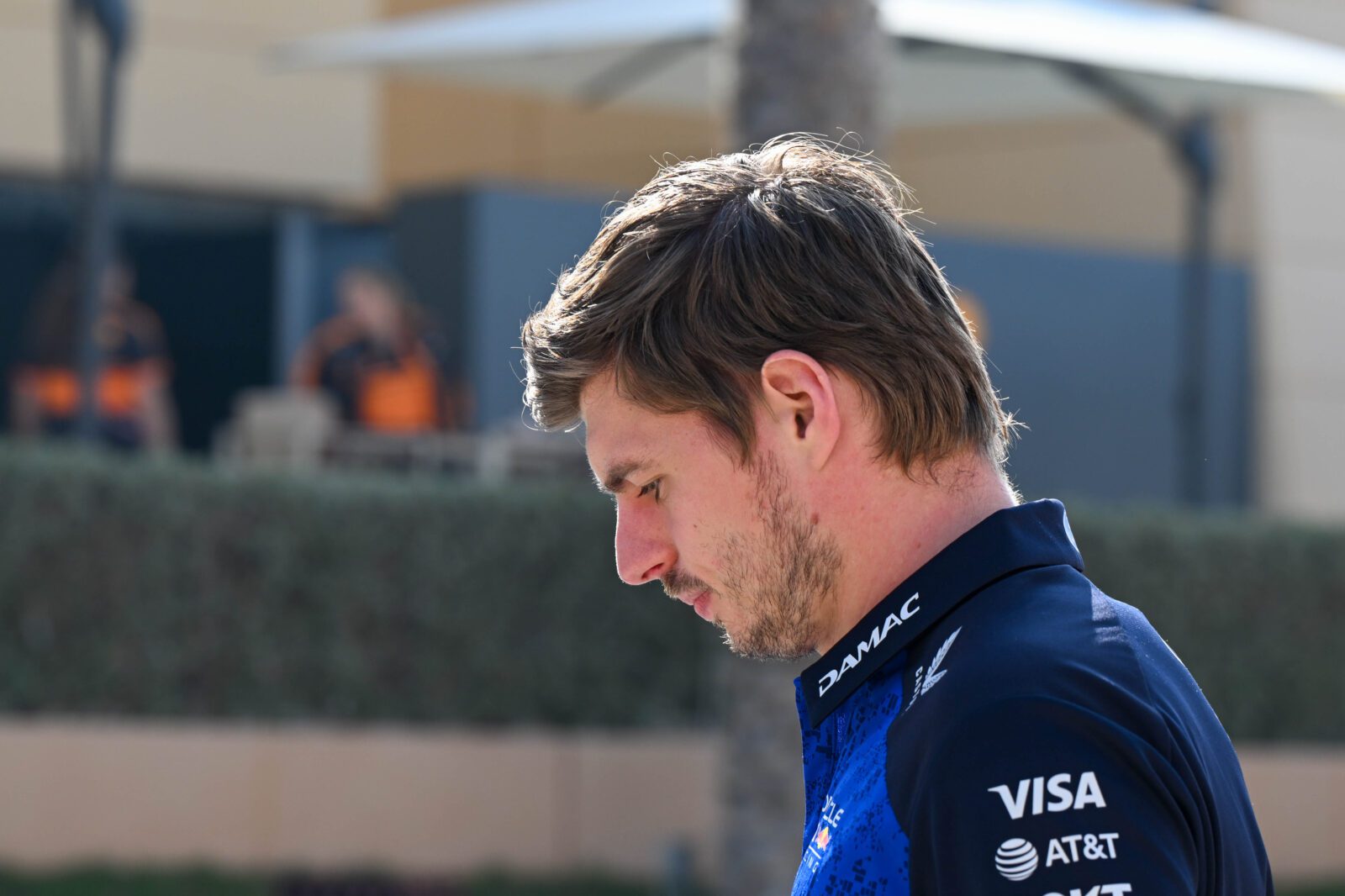
Max Verstappen has confirmed that Red Bull Racing’s ‘Macarena’ rear wing will be reinstated on the RB22 for the Hungarian Grand Prix this weekend. The decision follows its removal for the Belgian Grand Prix due to identified mechanical issues.
The controversial wing was implicated in two high-speed incidents involving Verstappen earlier this season. These occurred during qualifying at the Austrian Grand Prix and subsequently in the British Grand Prix.
The problem stemmed from the wing’s failure to close completely, resulting in a sudden loss of rear downforce. Verstappen had previously labelled the component as ‘super dangerous’ after the Silverstone incident.
Red Bull technical director Pierre Waché confirmed that the mechanical fault was identified after the Silverstone crash. The team has since implemented necessary fixes and conducted extensive tests and simulations to ensure reliability.
The FIA has reviewed Red Bull’s design and the implemented solutions, expressing satisfaction with the safety measures. Ferrari also employs a ‘Macarena’ wing concept, though their design differs fundamentally and has not presented similar issues.
In other team news, Isack Hadjar, Verstappen’s teammate at Red Bull Racing, has expressed satisfaction with his performance during the first half of the 2026 season. Hadjar, who joined the senior Red Bull team this year, admitted to initial nervousness about partnering the four-time World Champion.
Hadjar currently holds eighth position in the Drivers’ Championship with 60 points, an improvement on his 2025 season with Racing Bulls. He has secured points finishes in the last six races, including a fourth-place result in Monaco.
He described the RB22 as a consistent car that he is now extracting maximum performance from. Hadjar acknowledged that Red Bull still trails Ferrari and Mercedes in overall competitiveness.
Mercedes-AMG has unveiled a new safety car, the GT 63 PRO 4MATIC+, which will make its debut at the Hungarian Grand Prix. This marks the 14th official Mercedes safety car in Formula 1 history, celebrating 30 years of the manufacturer’s involvement.
The new safety car is the first in F1 to feature all-wheel drive, designed to provide enhanced traction in both dry and wet conditions. It is powered by a 4.0-litre biturbo V8 engine, delivering 612 hp and 850 Nm of torque.
The vehicle incorporates ceramic composite brakes, a nine-speed transmission, and revised aerodynamics for high-speed stability. An updated signalling system with integrated LEDs in the rear wing aims to improve visibility for following drivers.
Safety car driver Bernd Maylander highlighted the significant improvement in traction offered by the all-wheel-drive system. Mercedes became the sole supplier of F1 safety and medical cars this season.
Fernando Alonso has confirmed his contract with Aston Martin extends into the 2027 season. However, the Spaniard has not committed to remaining an active Formula 1 driver, linking his future to the enjoyment of driving the current cars and upcoming regulations.
Alonso has been vocal in his criticism of the current generation of F1 cars, citing a lack of enjoyment in driving and watching, particularly after power unit limitations in recent races. Aston Martin is introducing a significant upgrade package for their car in Hungary.
The weather forecast for Friday’s free practice sessions at the Hungaroring indicates dry conditions with temperatures around 24 degrees Celsius. There is a possibility of thunderstorms on Sunday for the Grand Prix.