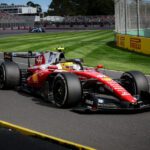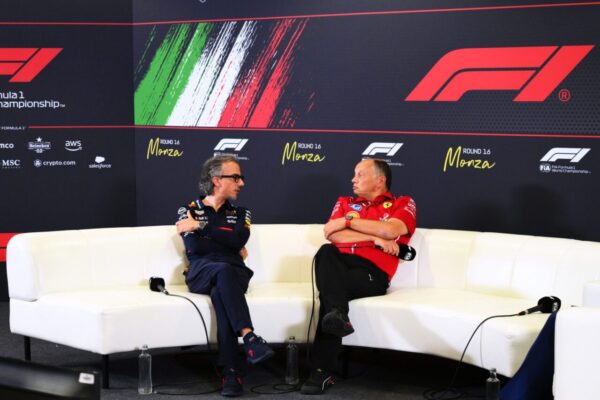

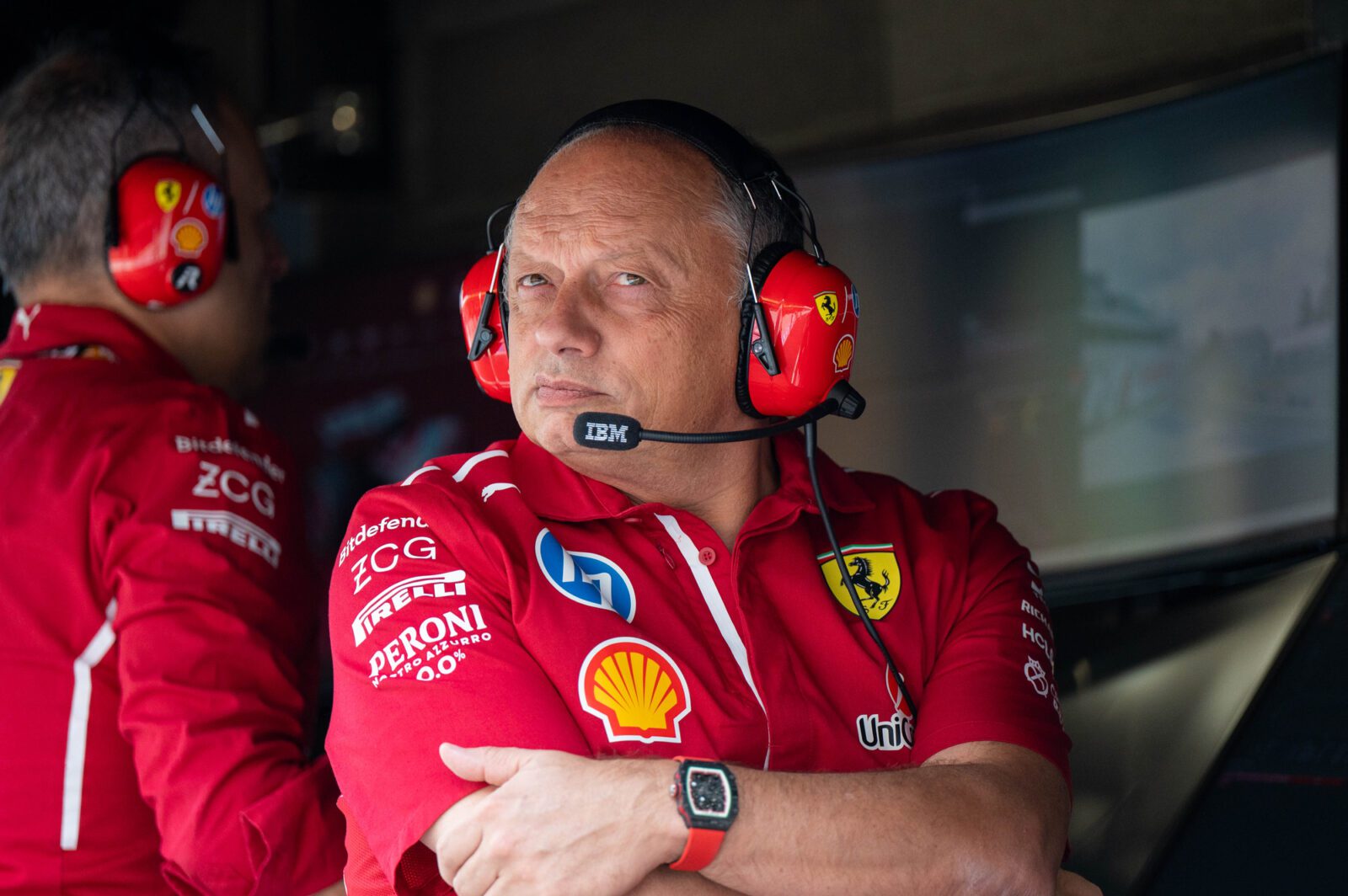
Ferrari Team Principal Fred Vasseur has reiterated his directive for the Scuderia to lead Formula 1 development rather than emulate competitors. This philosophy underpins Ferrari’s approach to the current 2026 season and future regulations. Vasseur has consistently advocated for a proactive stance in design and strategy.
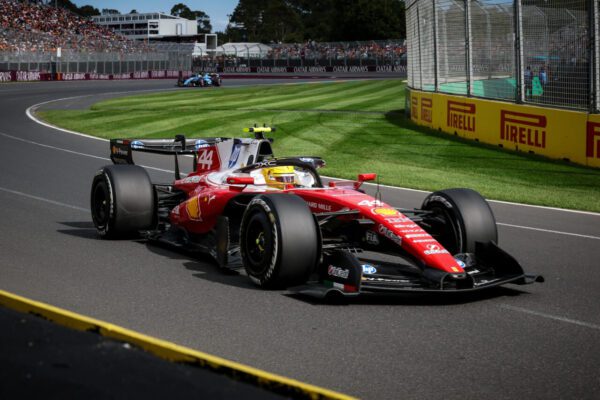
The team’s 2026 challenger, the SF-26, has already demonstrated this innovative drive. Early in the season, the car featured a distinctive vane behind the exhaust pipe, internally known as FTM, and an innovative rear wing that rotated between cornering and straight-line modes.
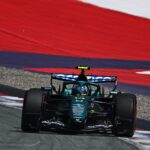
These visible innovations, while having a minor performance impact, showcased a Ferrari team willing to take risks and explore different directions. Red Bull and McLaren have since introduced their own versions of the rotating rear wing, with McLaren reportedly developing its solution after observing Ferrari’s design.
Vasseur’s push extends beyond aerodynamic design, aiming to foster a broader mentality shift within Maranello. He believes the team must embrace more risks in innovation and development to avoid simply following established paths.
This strategic shift is crucial given the significant technical changes introduced for the 2026 season, which Vasseur describes as potentially the biggest in F1 in 25 years. These regulations involve new engines, energy systems, and tyre characteristics.
Ferrari made an early decision to focus resources on 2026 development, prioritizing both performance and reliability challenges. This proactive approach aims to optimize the car’s design and power unit integration ahead of schedule.
Despite the focus on innovation, Vasseur has also stressed the importance of consistent race weekend execution. Ferrari currently holds second place in the Constructors’ Championship but has experienced missed opportunities in recent races.
Vasseur highlighted the need to convert the SF-26’s raw pace into championship points, particularly in a closely matched field where even small errors can significantly impact standings. He pointed to the Dutch Grand Prix as an example where strategic decisions did not yield a podium finish.
The team principal confirmed that Ferrari will continue its aggressive upgrade push throughout the 2026 season, operating within cost cap limitations. Ferrari’s strategy involves bringing smaller, more frequent upgrades to each race, contrasting with some rivals’ larger, less frequent packages.
‘The strategy is that we will continue to push until the end,’ Vasseur said. ‘We have a plan. We have no issue with the cost cap, we are following the plan and will continue like this.’
Vasseur acknowledged the substantial progress made in operational areas over the past two to three years, including strategy and pit-stop performance. However, he maintains that further precision is required to avoid leaving points on the table.