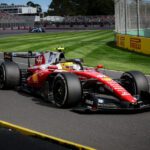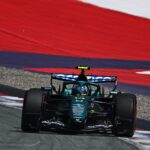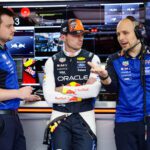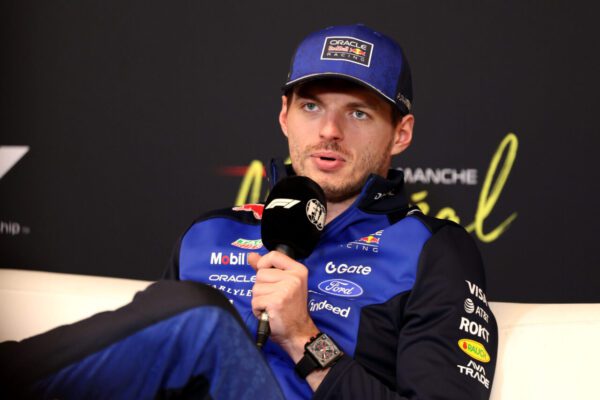


The 2026 Formula 1 regulations are expected to significantly impact the fan experience at the upcoming Belgian Grand Prix at Spa-Francorchamps. New power unit rules and active aerodynamics are set to alter the racing dynamic, particularly concerning energy management.
The revised power unit regulations mandate a near 50/50 split between combustion and electrical power. The MGU-K output has been substantially increased, with all energy recovery now exclusively from braking and off-throttle phases.
Spa-Francorchamps, known for its long full-throttle sections and limited heavy braking zones, presents a unique challenge for battery management. This circuit is widely regarded as one of the toughest venues on the calendar for hybrid systems.
The demanding nature of the circuit is expected to exacerbate the phenomenon known as ‘super clipping’. This occurs when cars lose electrical power on lengthy straights, effectively reducing top speed.
This can make some of Formula 1’s most spectacular high-speed sections feel like medium-speed stretches. Drivers are forced to lift and coast hundreds of metres before braking zones to ensure sufficient battery charge.
Lewis Hamilton has publicly stated that the new energy management rules are difficult for both fans and drivers to fully comprehend. He noted that pushing the car to its limit through high-speed corners can penalise a driver later in the lap.
Fernando Alonso also expressed concerns, warning that drivers might be left with no energy deployment in certain sectors if they prioritise saving power for the circuit’s longest straights.
The 2026 cars feature active aerodynamics, incorporating adjustable front and rear wings. This ‘straight mode’ allows drivers to reduce drag and maximise top speed on straights.
The FIA has confirmed five ‘straight mode’ activation zones for Spa-Francorchamps this weekend. These include the downhill run towards Eau Rouge and along the Kemmel Straight.
However, active aero is specifically prohibited through the iconic Eau Rouge/Raidillon complex itself. This marks a strategic deployment of the new system.
McLaren boss Andrea Stella has indicated that overtaking at Spa will likely be driven more by energy deployment strategies than traditional racing manoeuvres. This could fundamentally alter the nature of on-track battles.
Earlier this season, Silverstone also posed energy management challenges, but the impact was less pronounced due to intervening corners. Spa’s layout is anticipated to highlight these weaknesses more prominently.
The FIA has made adjustments to energy limits, including lowering the recoverable energy at Silverstone and planning to raise the qualifying limit to 8 MJ per lap at Spa. These measures aim to mitigate the issues.
The upcoming Belgian Grand Prix will serve as a critical test for the 2026 regulations. It will demonstrate how teams and drivers adapt to the new energy management demands on one of the calendar’s most challenging circuits.