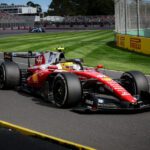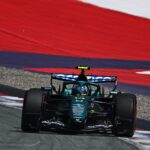



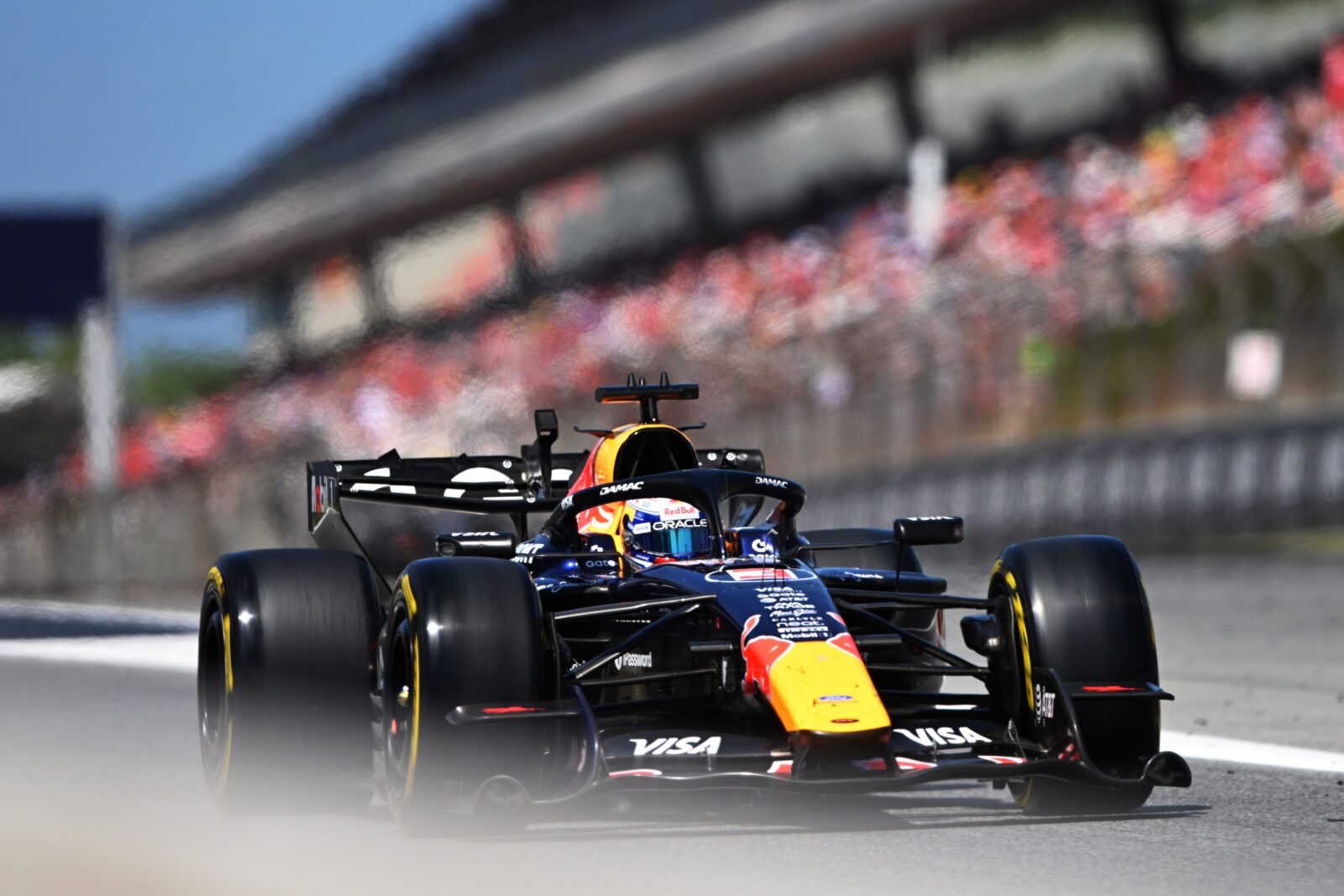
Red Bull’s Formula 1 car has been observed producing significant sparks during recent track sessions, indicating an aggressive approach to its setup. This visual phenomenon suggests the team is operating its RB22 at an extremely low ride height.
The visible sparks are a direct consequence of the car’s floor making contact with the track surface. This strategy aims to maximise aerodynamic performance, particularly under the revised 2026 technical regulations.
The 2026 regulations introduced substantial changes to car design, including a reduced reliance on ground effect. Floors are now largely flat, with a less effective diffuser, intended to minimise the need for stiff and low setups.
Despite these regulatory shifts, Red Bull appears to be pushing the boundaries of car setup. This is likely in an effort to extract maximum downforce from their current package.
The 2026 season has presented Red Bull with unexpected challenges. The team has grappled with significant balance issues, rendering the RB22 unpredictable for its drivers.
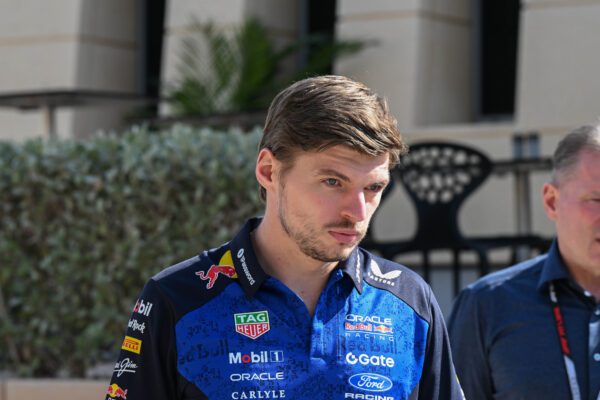
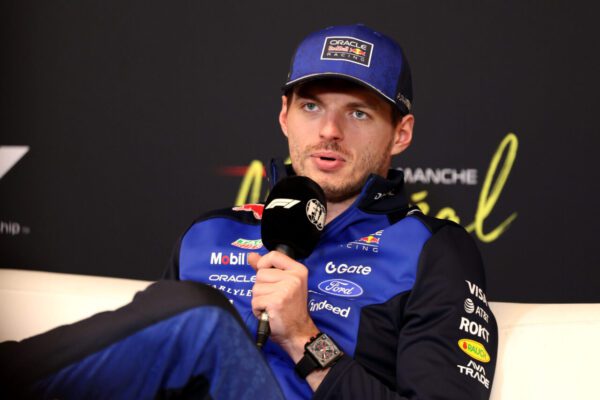
Max Verstappen, in particular, has reported difficulties in finding comfort with the car. Every setup adjustment has reportedly led to fresh complications, hindering the team’s ability to establish a stable baseline.
These early-season struggles, particularly in races such as China and Japan, have prompted Red Bull to undertake considerable analysis. The team is actively seeking solutions to improve performance.
Red Bull’s technical department has reportedly implemented a ‘hybrid ground effect like floor system’ on the RB22. This unique design, observed during Bahrain testing, aims to generate downforce through constricted sections.
Such an intricate floor setup, combined with a low ride height, can create low-pressure suction zones. This pulls the car closer to the track, enhancing cornering speeds but increasing the likelihood of sparks.
The decision to pursue such aggressive setups carries inherent risks. While aiming for performance gains, it can compromise car stability and driver confidence, as evidenced by Red Bull’s current balance issues.
Red Bull’s commitment to developing its own power unit with Ford for 2026 also adds a layer of complexity. This in-house project represents a significant technical gamble for the team.
The visible sparks serve as a tangible indicator of Red Bull’s ongoing efforts to optimise their car. They are navigating the new regulations and addressing their performance deficit.