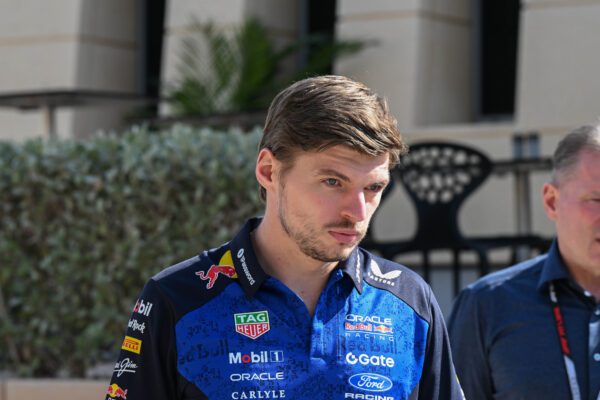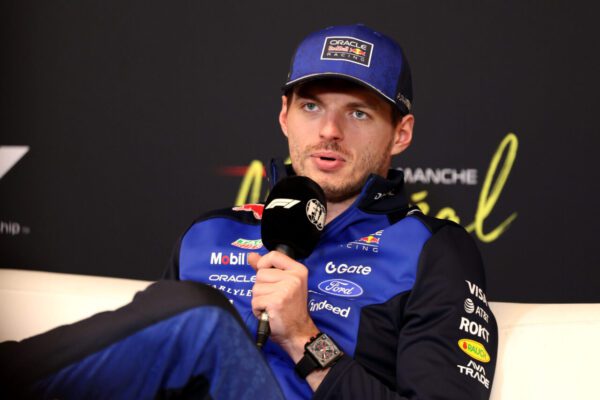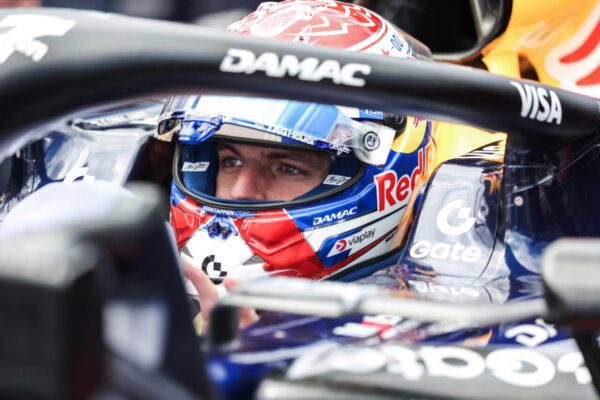




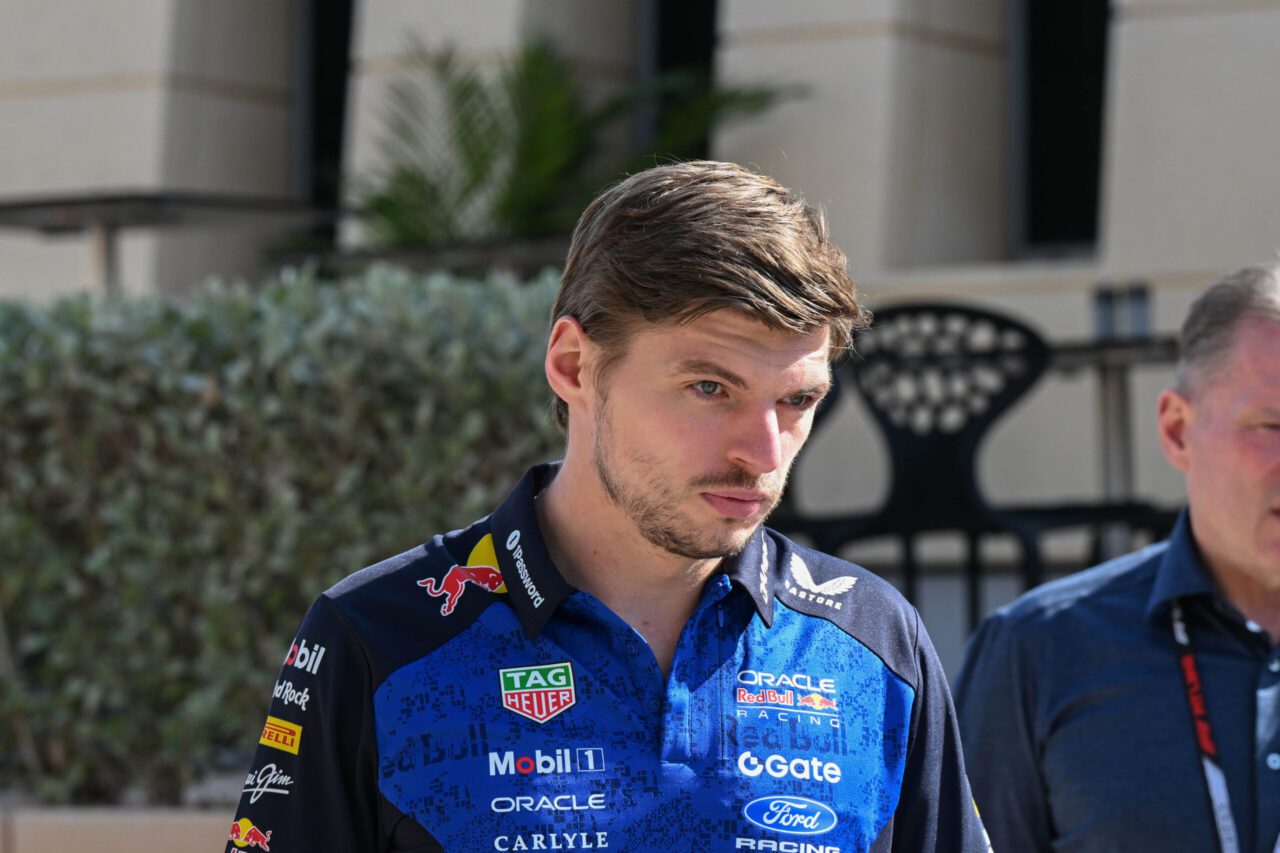
Red Bull Racing has faced a challenging 2026 Formula 1 season, currently without a Grand Prix victory after 11 rounds. Max Verstappen has openly voiced concerns regarding the performance of the RB22 chassis. The team is positioned as the fourth-fastest on the grid.
The Milton Keynes outfit trails Mercedes, Ferrari, and McLaren in overall pace. Reliability issues have also emerged, including problems with the power unit and rear wing components. These setbacks have impacted their championship aspirations significantly.
Verstappen has expressed dissatisfaction with the car’s balance and overall performance. He has been a vocal critic of the 2026 engine regulations, describing the new era as ‘Formula E on steroids’.
The regulations mandate increased electrical power, requiring aggressive energy management during races. This has led to an an uninstinctive driving style, with drivers needing to employ lift-and-coast tactics.
Internal friction within Red Bull Racing preceded the 2026 season, leading to several high-profile departures. Key figures such as Adrian Newey, Rob Marshall, Jonathan Wheatley, and Christian Horner have left the team.
Despite these performance struggles, Red Bull has inadvertently gained a crucial advantage. Their drop to fourth in the Constructors’ Championship triggered a revision of aerodynamic testing restrictions.
Under F1’s sliding scale system, Red Bull’s allowance for wind tunnel and CFD allocations increased. For the July-to-December window, their development time rose from 80 percent to 85 percent of the baseline.
This additional development resource provides the team with greater flexibility to address the RB22’s deficiencies. The strategic implications could extend to their 2027 car development.
The Red Bull Ford Powertrains engine, their first in-house power unit, showed early promise in pre-season testing. It demonstrated efficient energy harvesting and deployment capabilities.
While initial reliability concerns existed, the power unit’s potential remains a positive aspect. Max Verstappen’s teammate, Isack Hadjar, has also delivered impressive performances this season.
Speculation continues regarding Max Verstappen’s long-term commitment to Red Bull. His contract runs until 2028, but performance clauses could allow an earlier departure.
Former F1 driver Gerhard Berger indicated ongoing discussions with other teams, including McLaren and Mercedes. Verstappen’s decision may hinge on Red Bull’s performance improvements after the summer break.