



The FIA has implemented new regulations for Formula 1 car liveries, effective from the current 2026 season. These rules mandate a minimum surface area coverage for paint or stickers on each car. The objective is to enhance visual differentiation among teams on track.
Approved by the F1 Commission on November 14, 2025, the updated guidelines require at least 55% of a car’s surface, when viewed from the side and above, to be covered. This directly addresses the trend of teams leaving large sections of bodywork as bare carbon fibre to save weight.
The previous practice of exposing raw carbon fibre often resulted in cars appearing visually similar or ‘dull’. The FIA’s decision aims to promote more colourful and distinct designs, improving the viewing experience for fans.
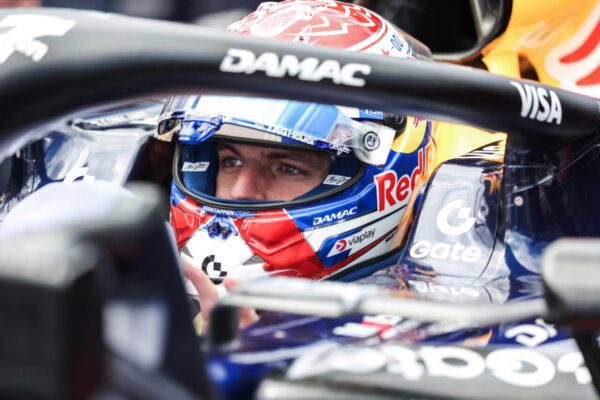
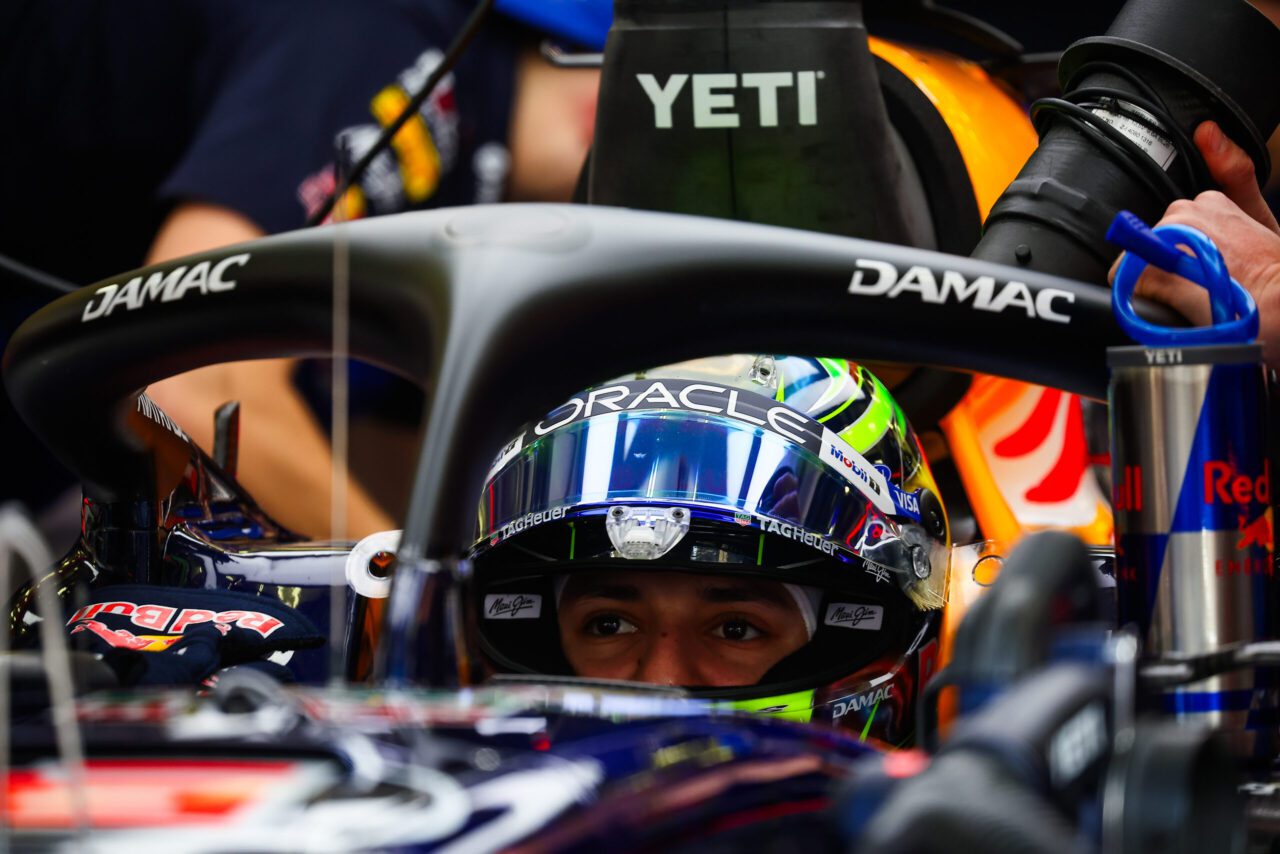
Red Bull Racing, alongside its sister team Racing Bulls, presented their 2026 liveries on January 15, 2026. The joint unveiling took place in Detroit, marking the official introduction of the Red Bull Ford Powertrains partnership.
The 2026 Red Bull livery signifies a return to a gloss finish. This design choice aims to provide greater depth and clarity, allowing the team’s iconic sun and bull logo to stand out more prominently.
Greg Auchterlonie, Head of Brand Design at Oracle Red Bull Racing, oversees the visual identity. The design process involves extensive 3D modelling to accurately assess how the livery interacts with light on track.
F1 car liveries are primarily applied through painting rather than vinyl wrapping. This method is preferred for its aerodynamic efficiency, minimal weight impact, and enhanced durability throughout the demanding season.
The painting process is meticulous, beginning with thorough surface preparation. This is followed by a base coat, multiple layers of colour to achieve the desired shade, and a final protective clear coat.
Livery design also incorporates commercial considerations, with sponsor logos strategically placed. Every area of the car holds value from a partnership perspective, influencing the final aesthetic.
FIA regulations also stipulate that both cars entered by a competitor must feature substantially the same livery. Any significant design changes during the championship season require prior FIA approval.
Furthermore, the driver’s name and competition number must be clearly visible on the external bodywork. The team’s name or emblem is also required on the front of the car’s nose.