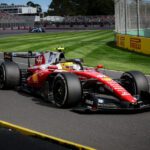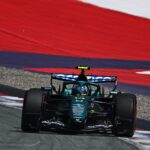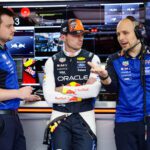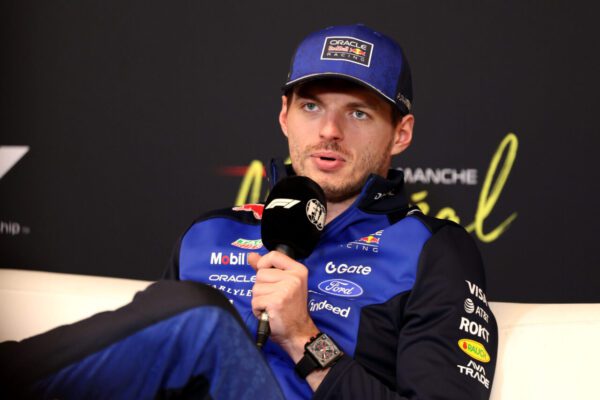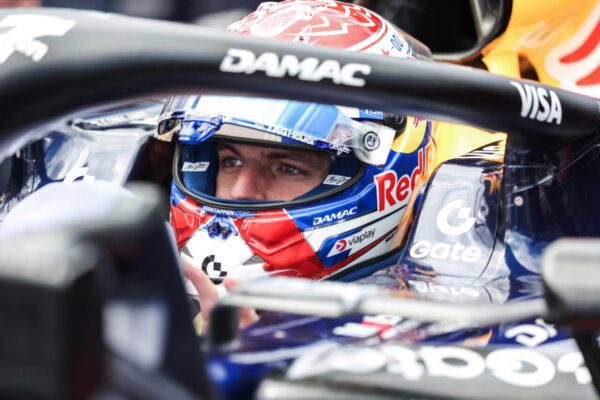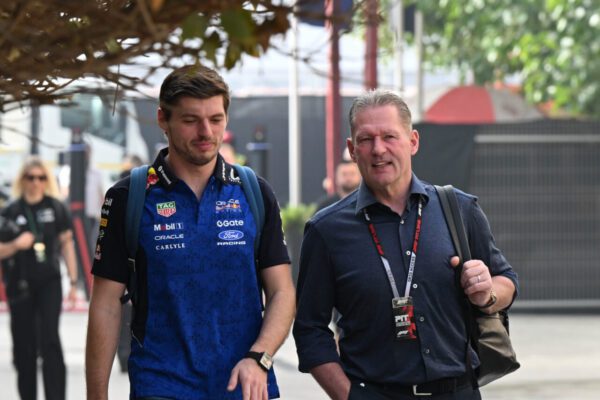




A Red Bull Racing engineer has provided insight into Max Verstappen’s unique ability to handle the team’s 2026 car. The RB22, built to the new technical regulations, has proven to have a narrow operating window, creating challenges for the team.
The new generation of cars, with a near 50/50 power split between the combustion engine and electrical systems, demands significant driver management. This shift has placed a greater emphasis on driver influence over pure aerodynamic dependency.
Verstappen’s performance engineer, Tom Hart, who will become his race engineer from 2027, notes the Dutchman’s comfort with an unstable car. Where many drivers prefer a planted rear, Verstappen is adept at managing rotation and a car on a ‘knife-edge’.
This trait has become particularly valuable with the 2026 cars, which feature reduced downforce and active aerodynamics. The RB22 has been affected by balance issues and a lack of grip at certain circuits during the current season.
Verstappen himself has commented on the counterintuitive nature of the new cars. He explained that drivers must often fight against instincts developed over their entire careers, managing energy and battery deployment instead of focusing purely on cornering speed.
He noted that being faster through a corner can sometimes compromise performance on the following straight due to energy management. This requires a different mental approach compared to previous F1 car generations.
The Red Bull RB22, the first to be powered by a Red Bull Ford Powertrain, has shown pace when the setup is correct. However, the team has struggled to consistently find this optimal window, with the car also being overweight early in the season.
Verstappen has adapted his technique to the new power units, using different gear-shifting strategies in slow corners. By downshifting more aggressively, he can exit with higher revs, which aids in recharging the battery more quickly for deployment on the straights.
This specific technique was tested during the pre-season and is something the RB22 was reportedly designed to handle, despite the increased mechanical stress. It highlights how Verstappen extracts performance where others might struggle with the car’s complex systems.