

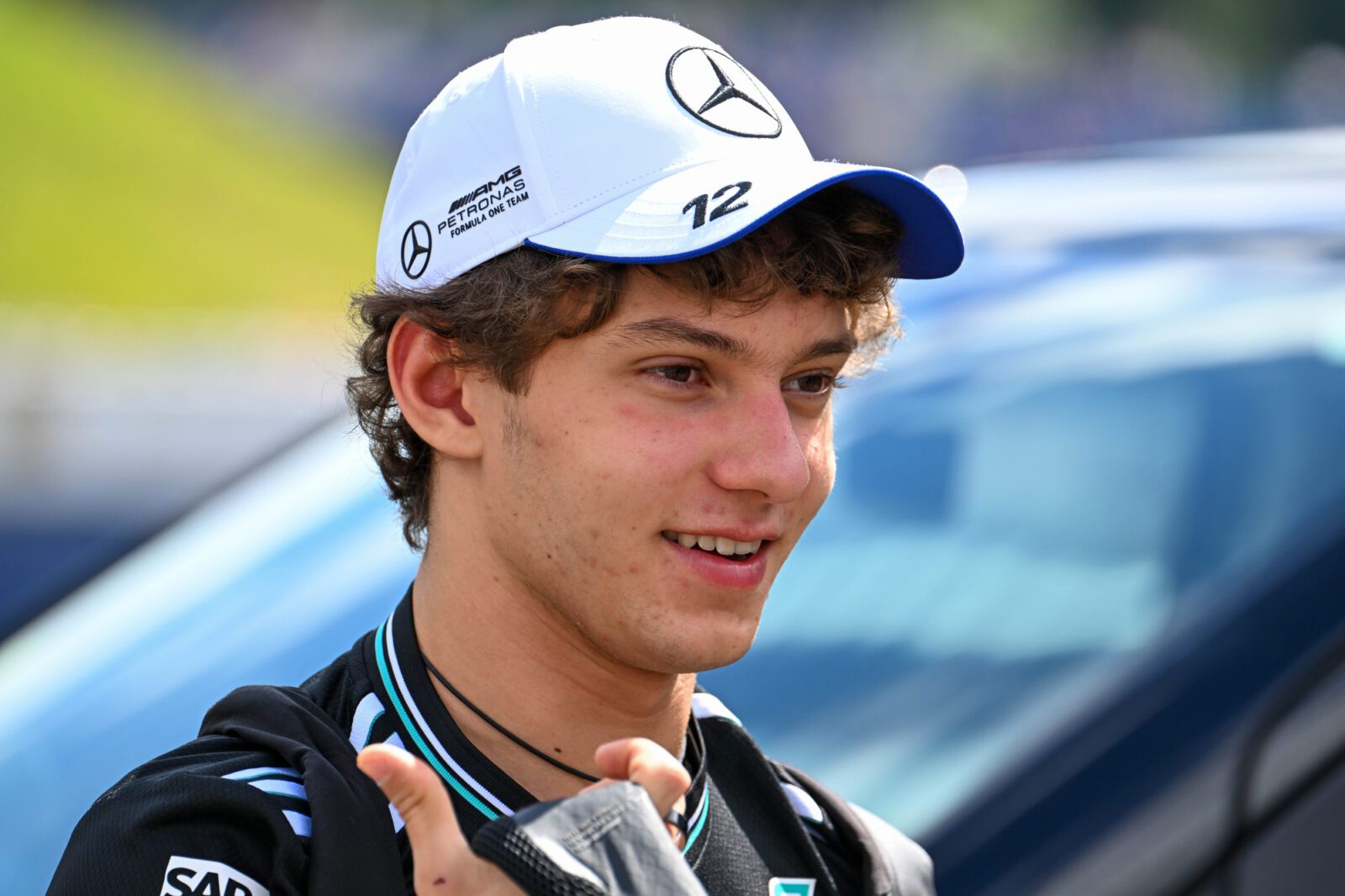
Jolyon Palmer has offered his perspective on Andrea Kimi Antonelli’s potential performance at Monza, suggesting the young driver may not immediately replicate the impact Max Verstappen demonstrated early in his career. Palmer’s analysis focuses on the distinct circumstances surrounding Antonelli’s anticipated F1 involvement.
Andrea Kimi Antonelli, a prominent Mercedes-backed junior, is currently competing in the 2026 Formula 2 season. Speculation continues regarding his future in Formula 1, with a potential promotion to a full-time seat for the 2027 season.
Reports indicate that Mercedes is evaluating Antonelli for a Free Practice 1 (FP1) session later in the current 2026 season. The high-speed Monza circuit has been mentioned as a possible venue for such an outing, offering a significant opportunity for the Italian driver.
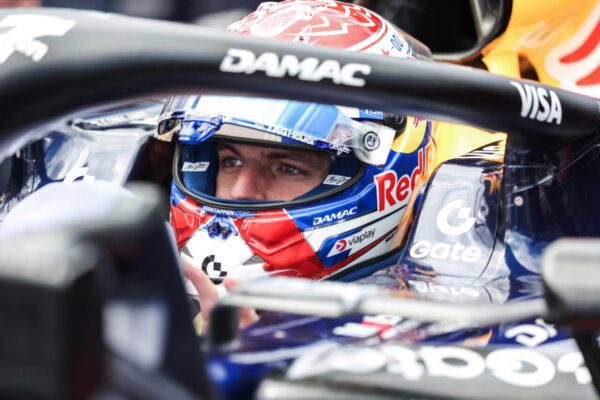
Max Verstappen made his Formula 1 debut in 2015 with Toro Rosso, immediately showcasing exceptional speed and adaptability. His early career was marked by a rapid ascent and an ability to extract maximum performance from his machinery, even in his rookie year.
Palmer points to the unique pressures and car performance factors that differentiate Antonelli’s current situation from Verstappen’s initial F1 impact. Verstappen’s immediate competitiveness set a high benchmark for young drivers entering the sport.
Antonelli has undertaken several private F1 tests with Mercedes, utilising older specification cars to gain crucial experience. These sessions are part of a comprehensive development programme designed to prepare him for the demands of Formula 1.
The challenge for any rookie at a circuit like Monza involves not only raw speed but also managing the specific demands of the track and the F1 machinery. Palmer suggests that replicating Verstappen’s immediate, consistent high-level performance is a rare feat.
Mercedes Team Principal Toto Wolff has consistently affirmed Antonelli’s importance to the team’s long-term plans. Wolff views Antonelli as a key component of Mercedes’ future driver lineup, indicating a strategic approach to his development.
The reality of F1 debuts often involves a period of adaptation, regardless of a driver’s talent. Expectations for young drivers must be tempered with an understanding of the complexities involved in transitioning to the pinnacle of motorsport.