

McLaren is set to introduce additional upgrades for its MCL40 at the upcoming Dutch Grand Prix, aiming to complete the development package initiated in Hungary. These new components include a revised rear wing and updated rear brake ducts. The team seeks to build on its recent performance breakthrough.
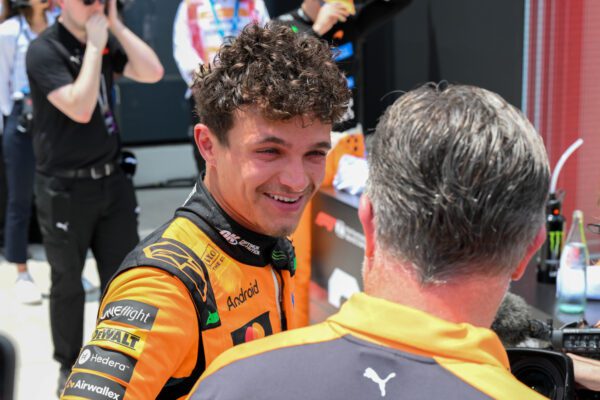
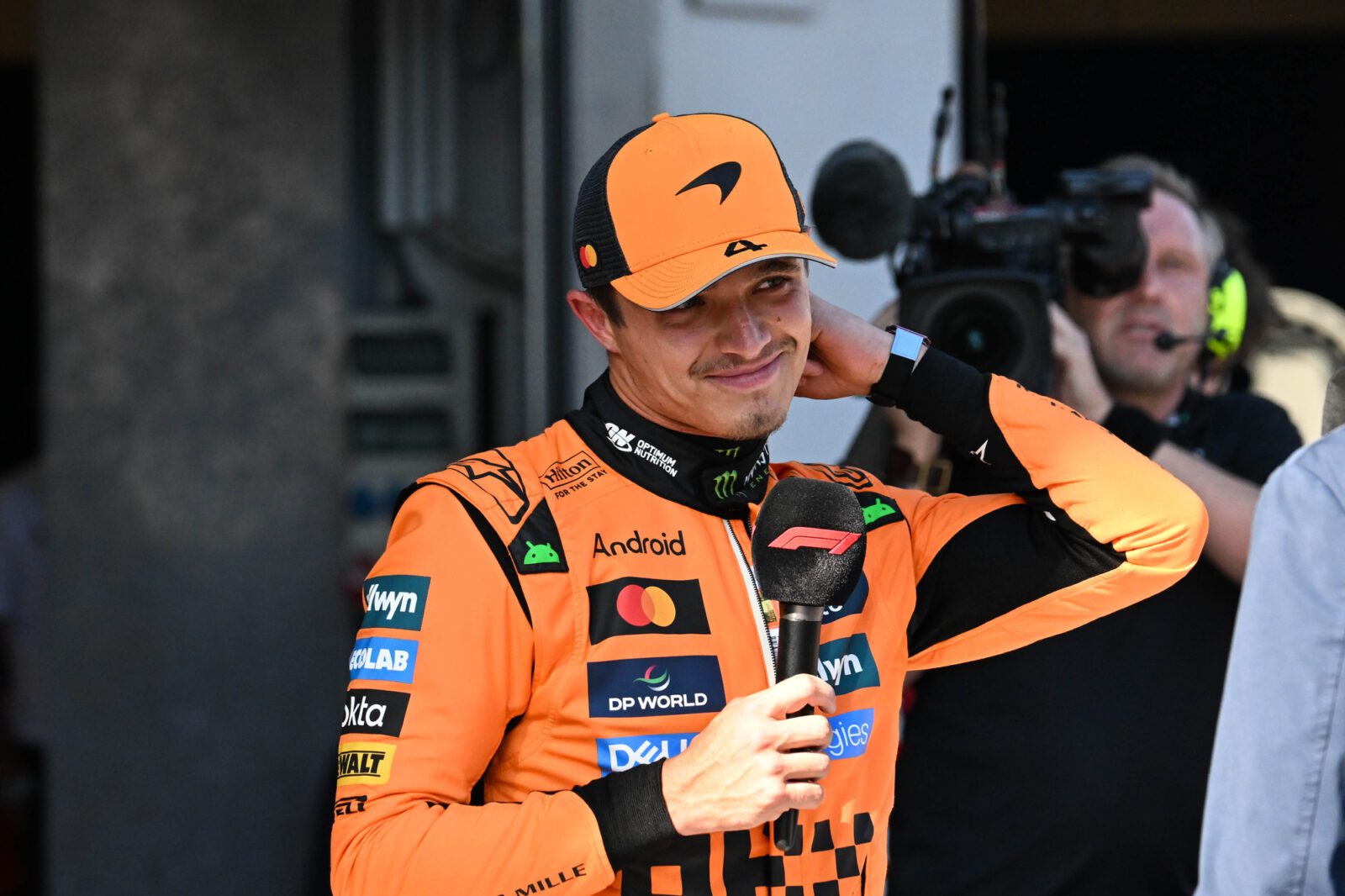
The previous major upgrade package, introduced at the Hungarian Grand Prix, focused on a new floor and various accompanying aerodynamic modifications. This development proved instrumental in Lando Norris securing his first victory of the 2026 Formula 1 season.
Technical Director for Applied Engineering, Neil Houldey, acknowledged the competitive nature of the field. He emphasised the importance of reliability and extracting maximum performance from the car at Zandvoort.
Houldey highlighted the unique challenges presented by Circuit Zandvoort. The track features banked corners, high-speed sections, an undulating layout, and unpredictable wind conditions.
He also noted that the team has gained significant understanding of the MCL40’s driving characteristics. This learning has been crucial for optimising performance and addressing earlier season issues.
McLaren’s development efforts for the 2026 car are ongoing, with Houldey confirming that insights gained this season will carry over into the 2027 car concept. This strategy ensures continuous improvement.
Lando Norris, the reigning World Champion, secured his maiden win of the season from pole position in Hungary. He currently sits fifth in the Drivers’ Championship with 128 points.
Norris has stated he believes his driving performance in 2026 surpasses his title-winning 2025 campaign. This assessment comes despite the MCL40 generally being the third-fastest car on the grid.
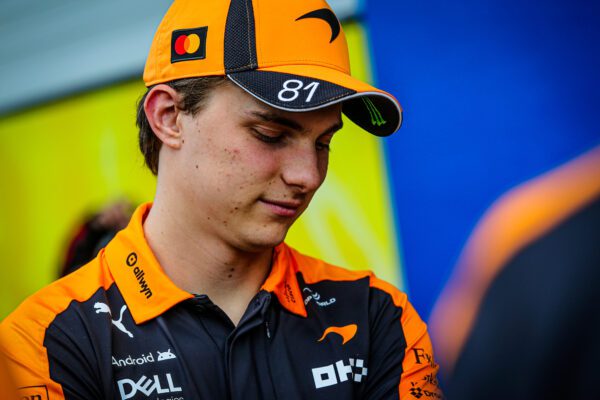
His teammate, Oscar Piastri, led a significant portion of the Hungarian Grand Prix before a gearbox issue forced his retirement. Piastri is currently placed seventh in the Drivers’ standings.
In the Constructors’ Championship, McLaren holds third position with 220 points. The team trails Mercedes, who lead with 379 points, and Ferrari, in second with 307 points.
The MCL40’s development faced initial hurdles, including the team prioritising its 2025 championship bid. This led to a catch-up phase at the start of the current season.
The car also launched overweight, requiring resources to bring it to the minimum weight limit. Furthermore, the MCL40 has exhibited a narrow operating window and a deficit in high-speed cornering.
Issues with gear ratios, stemming from an inaccurate power unit estimate from Mercedes, have also impacted the car’s optimal power deployment. These are fixed for the season.
The 2026 Dutch Grand Prix marks the first time Zandvoort will host a Sprint weekend. The 4.259-kilometre circuit is known for its demanding nature.
Its two heavily banked corners, Hugenholtz (Turn 3) at 19 degrees and Arie Luyendyk (Turn 14) at 18 degrees, impose high vertical and lateral loads on the tyres.
The circuit’s narrow layout, limited run-off areas, and gravel traps mean driver errors are often penalised severely. Qualifying performance is therefore critical.
Pirelli has nominated the C2 (Hard), C3 (Medium), and C4 (Soft) compounds for the event. Wind and sand from the nearby North Sea coast can also affect track grip.
This 2026 edition of the Dutch Grand Prix is scheduled to be the final race under its current contract. The promoter has opted not to extend the agreement beyond this year.