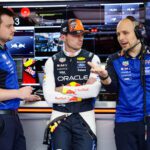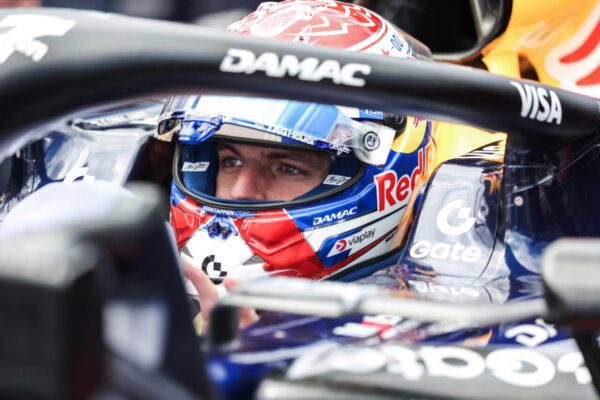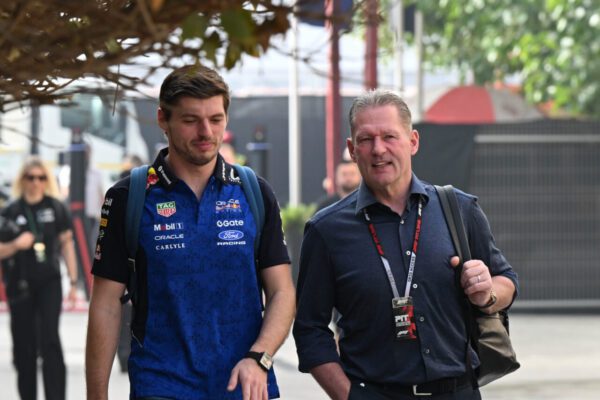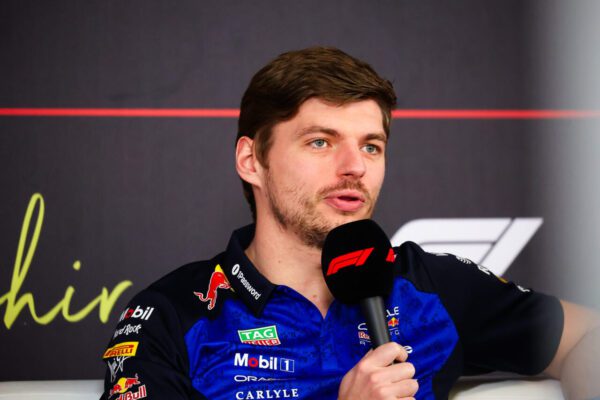



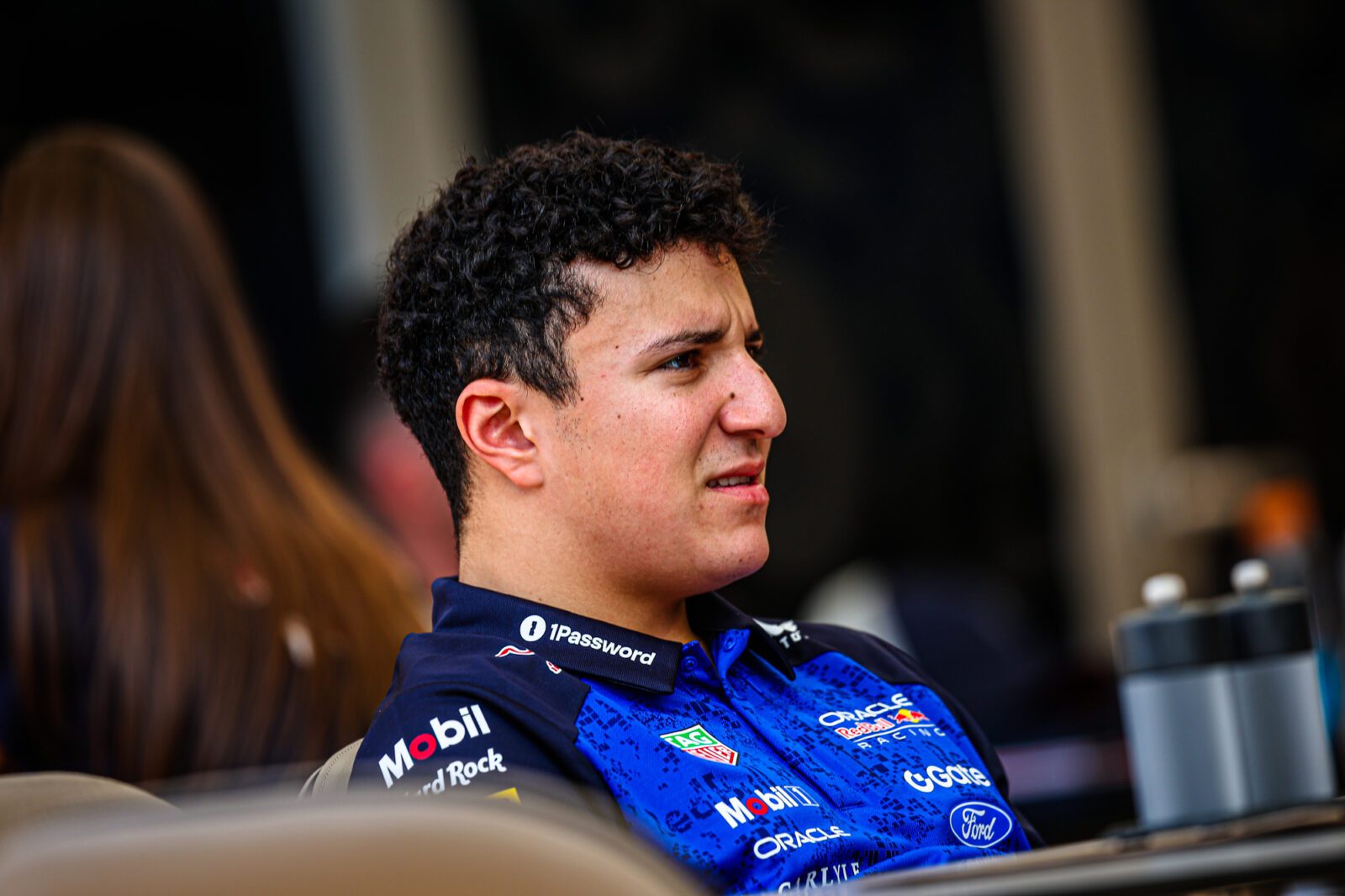
Isack Hadjar, Red Bull Racing driver, has attributed Max Verstappen’s recent high-speed crashes to a malfunction with the team’s innovative ‘Macarena wing’. Hadjar believes the issue stems from the rear wing failing to close correctly.
Verstappen experienced two significant incidents in quick succession during the current 2026 Formula 1 season. He crashed out of Q3 during qualifying for the Austrian Grand Prix and later retired from the British Grand Prix race.
Both incidents were linked to the rotating rear wing mechanism. The system reportedly failed to return to its standard position, leading to a sudden and critical loss of downforce.
Following his retirement at Silverstone, Verstappen described the car as ‘super dangerous’. This assessment underscored the severity of the technical problem affecting the RB22 chassis.
Hadjar acknowledged his own fortune in avoiding similar issues in recent races. He stated that Verstappen’s problem is inherently a team problem, requiring a collective solution.
In response to these safety concerns and confirmed technical issues, Red Bull Racing has opted to remove the controversial ‘Macarena wing’ for the upcoming Belgian Grand Prix.
Team Principal Laurent Mekies confirmed that a traditional-style rear wing will be fitted to both Verstappen’s and Hadjar’s cars at Spa-Francorchamps. This decision aims to mitigate further risks.
Meanwhile, Hadjar faces a grid penalty for the Belgian Grand Prix. He is set to start from the back of the grid due to the installation of new power unit components.
This component change exceeds the permitted number of units for the 2026 season. Hadjar had previously retired from the Australian Grand Prix due to a power unit failure and encountered further engine issues in Monaco.
After nine races this season, Verstappen holds seventh place in the Drivers’ Championship with 76 points. Hadjar is eighth with 52 points.
Red Bull Racing currently occupies fourth position in the Constructors’ Championship, having accumulated 128 points.