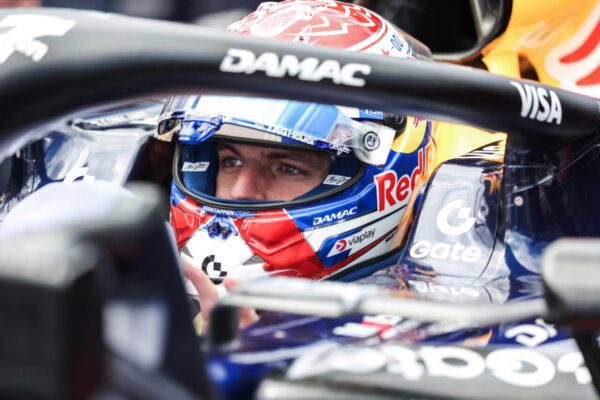




FIA President Mohammed Ben Sulayem has addressed recent criticism from Max Verstappen regarding the 2026 Formula 1 regulations, highlighting the procedural requirements for implementing rule changes. Ben Sulayem indicated that the governing body requires a specific majority to enact significant adjustments to the sport’s framework.
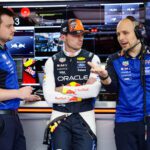
Verstappen has been a vocal critic of the 2026 technical regulations, particularly concerning the new power units. He expressed dissatisfaction with the driving experience, noting that drivers cannot consistently push at full throttle due to the 50/50 split between internal combustion and electrical energy.
During the recent Belgian Grand Prix weekend, Verstappen renewed his critique, stating that the new rules have created ‘a different Spa.’ He suggested that cars operate with ‘Formula 3’ levels of power in certain sectors, impacting the enjoyment of driving.
Ben Sulayem’s comments refer to the F1 Commission’s voting structure, where a normal majority for regulatory changes now requires four votes from the 11 teams. This is a reduction from the previous requirement of six team votes.
The FIA and Formula 1 Management (FOM) also retain their voting rights within this commission. This revised threshold, implemented with the 2026 Concorde Agreement, aims to enhance regulatory agility and facilitate quicker decision-making processes.
The 2026 regulations introduced smaller, lighter cars with active aerodynamics, featuring ‘Straight Mode’ and ‘Corner Mode’. These changes, alongside the new power unit philosophy, were designed to improve racing and promote sustainability.
Ben Sulayem previously suggested that complaints about the new rules often originate from teams struggling to adapt. He affirmed that the FIA has engaged with drivers to gather input on potential adjustments to the regulations.
In April 2026, the FIA, Formula 1, and teams agreed on several tweaks to the 2026 regulations. These adjustments, ratified by the World Motor Sport Council, focused on energy management parameters and safety improvements, with some changes implemented from the Miami Grand Prix.
Discussions are also underway for further power unit adjustments for the 2027 and 2028 seasons. These aim to modify the electrical and internal combustion power split, with a target of a 60:40 ratio by 2028 to address current driver concerns.