


FIA Single Seater Technical Director Nikolas Tombazis has confirmed that Formula 1 engine manufacturers blocked significant adjustments to the 2026 power unit regulations. These proposed changes aimed to address concerns, including those voiced by Max Verstappen, regarding the new hybrid formula. The FIA had anticipated potential issues with the regulations well in advance of the current season.
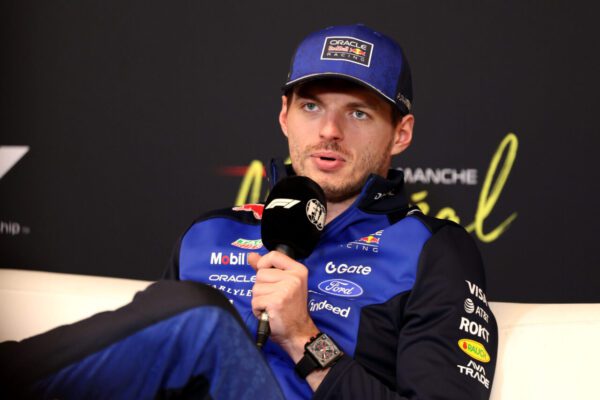
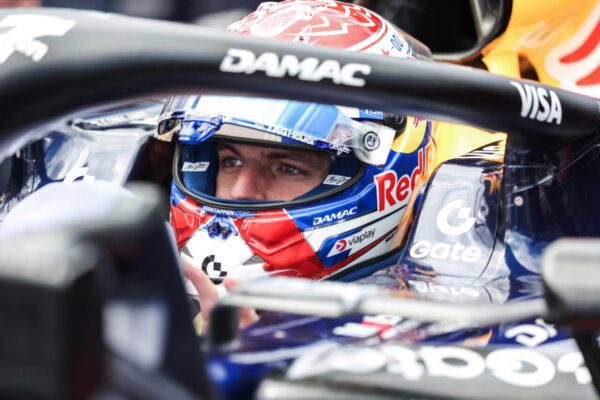
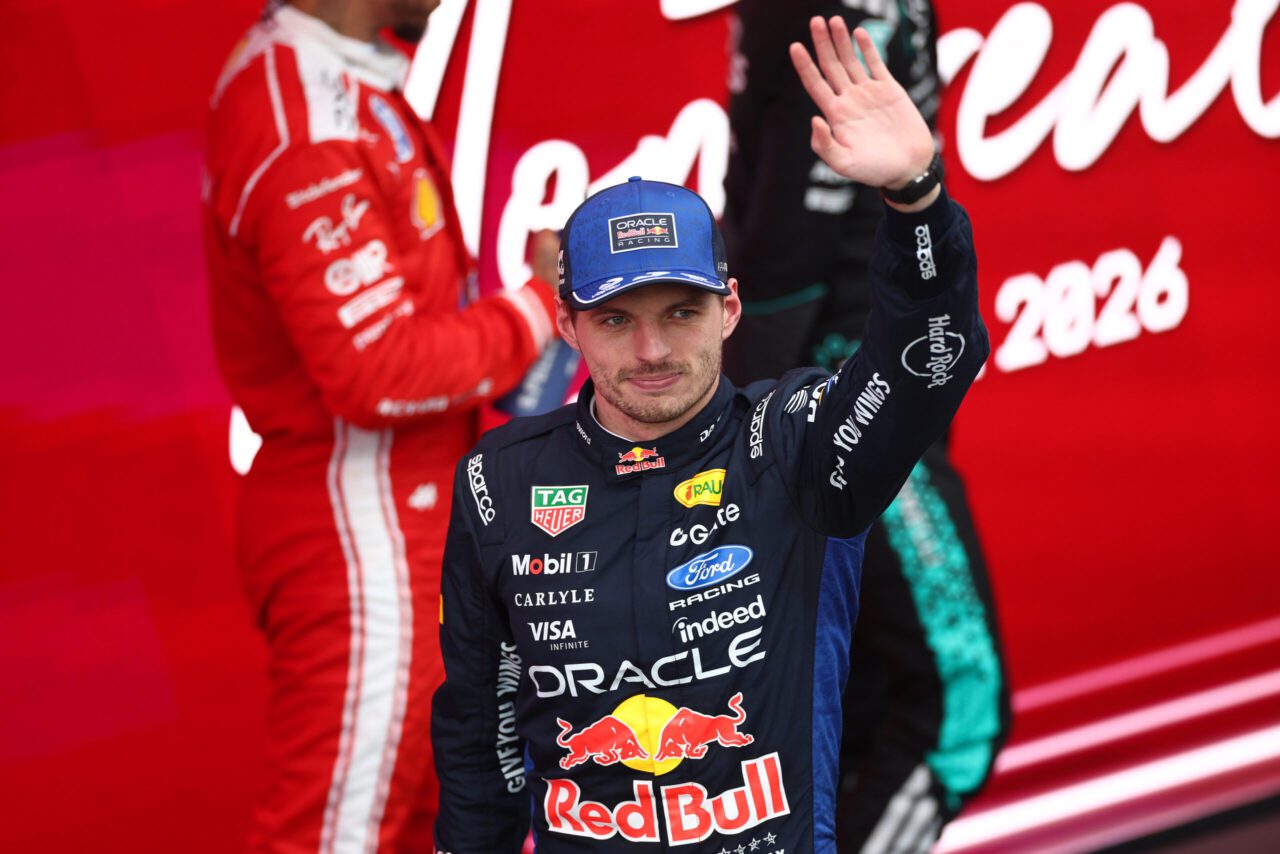
Verstappen has been a prominent critic of the 2026 power units, particularly the near 50/50 split between internal combustion and electric power. He has expressed dissatisfaction with the increased emphasis on energy management, which he believes diminishes driver control and leads to cars losing speed on straights as batteries deplete.
The Red Bull driver previously likened the driving experience to ‘Formula E on steroids’ and indicated a preference to remove battery power entirely for a more traditional engine sound. He also suggested his future in Formula 1 could depend on improvements to the driving experience, potentially considering a move to endurance racing if the issues persist.
Tombazis revealed that the FIA attempted to implement rule tweaks before the 2026 season commenced. A proposal in 2025 to shift the power split to 60/40 in favour of the combustion engine was rejected. Furthermore, a last-ditch effort in early 2026 to reduce maximum energy deployment in races from 350kW to 200kW also failed to gain approval.
The inability to enact these changes stemmed from the sport’s governance structure. Major regulation adjustments required the backing of the FIA, Formula One Management (FOM), and at least four of the five participating power unit manufacturers. Tombazis stated that the necessary consensus from the manufacturers was not achieved.
Manufacturers had already invested substantially in developing power units under the established 2026 regulations. This included new entrants like Audi and the Red Bull Powertrains-Ford partnership, alongside returning supplier Honda, making them reluctant to agree to fundamental changes.
The current 2026 season has seen drivers, including Verstappen, continue to highlight the challenges of energy management, particularly at high-power circuits such as Silverstone and Spa-Francorchamps. Drivers have noted that corners have been ‘neutered’ due to the need for battery conservation.
Formula 1 CEO Stefano Domenicali acknowledged that the sport had aimed for more extensive adjustments to accommodate driver feedback. However, he confirmed that insufficient support from teams and power unit manufacturers ultimately prevented these broader changes from being implemented.
Emergency measures to improve energy management were introduced from the Miami Grand Prix earlier this season. Additionally, a roadmap has been agreed upon to gradually shift the power unit split towards 60/40 in favour of the internal combustion engine by 2028.
Tombazis expressed disappointment that these necessary modifications were not in place before the start of the 2026 season. He indicated that the FIA had foreseen many of the issues drivers are now experiencing.
Looking ahead, there is a broad agreement in principle for further engine changes in 2027. These aim to increase fuel flow and reduce MGU-K power output in qualifying, moving the power ratio closer to a 60/40 split. Verstappen has described these proposed adjustments as ‘definitely heading into a very positive direction’ and ‘the minimum I was hoping for’.