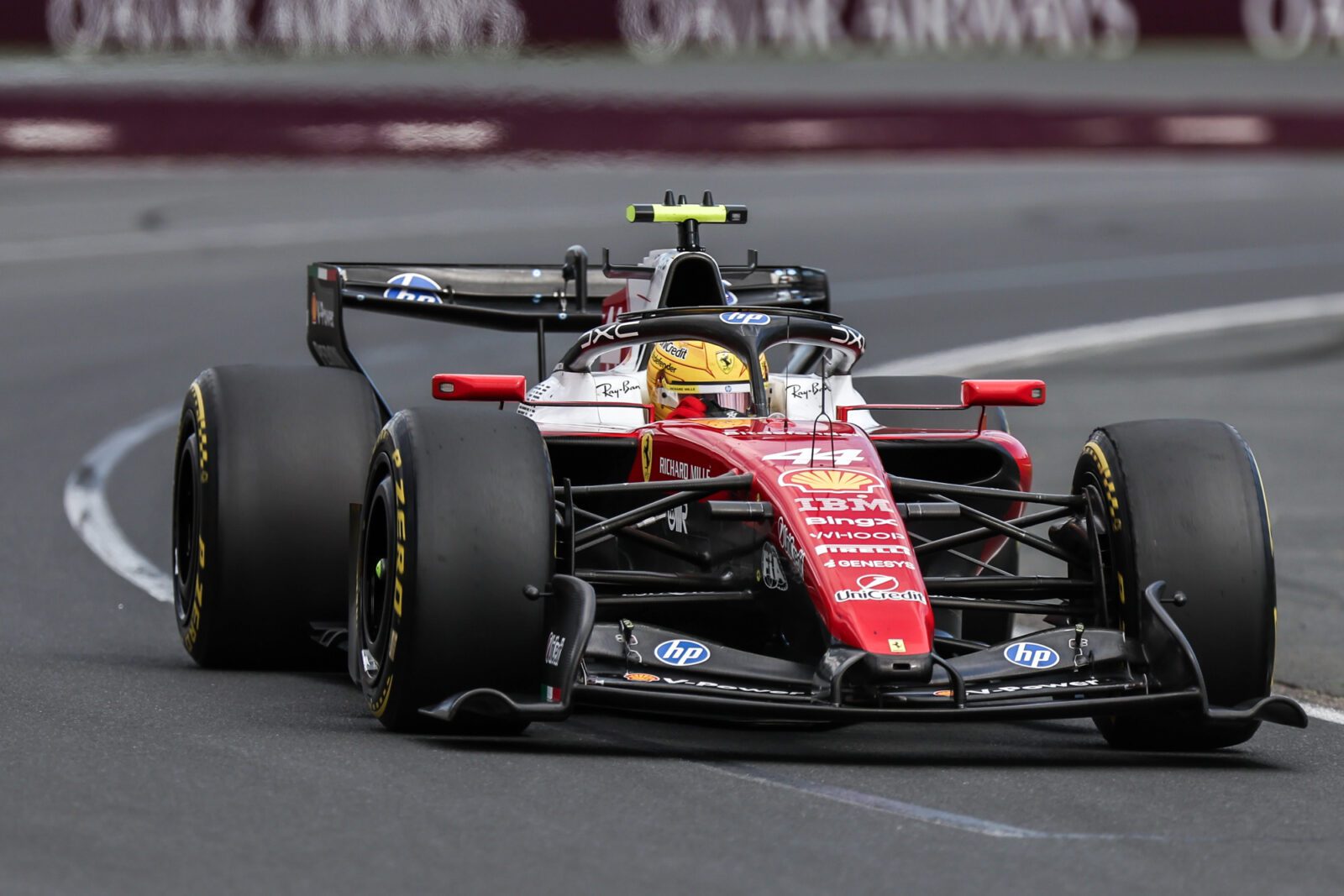
Ferrari team principal Fred Vasseur has stated that the brand-new Madring circuit presents a significant exercise for Formula 1 engineers. The inaugural Spanish Grand Prix weekend, running from September 11 to 13, 2026, introduces numerous unknown factors for all teams.
The Circuito de Madring, a 5.416-kilometre hybrid track, combines tight street-style sections around the IFEMA exhibition halls with a faster, permanent layout in the Valdebebas district. This unique blend includes 22 corners, elevation changes, and unforgiving walls.
A standout feature is La Monumental, Turn 12, a 550-metre long, 24% banked corner, equivalent to approximately 13.5 degrees. Cars are expected to approach this section at speeds nearing 300 km/h, making it the longest banked corner on the current F1 calendar.
The circuit’s design also incorporates two short tunnels and designated overtaking zones at Turns 1, 5, 11, and 17. Notably, the pit lane is split by existing infrastructure, creating a gap of over 100 metres between some garages, which could impact pit-stop times.
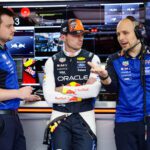
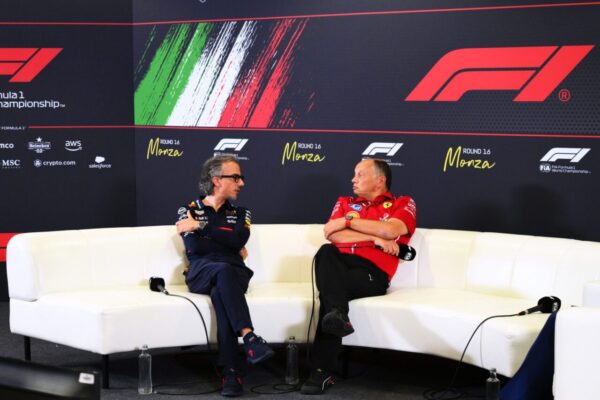
Vasseur emphasised the importance of anticipating grip levels for Saturday’s qualifying session, rather than focusing solely on Friday’s practice pace. He cautioned against becoming ‘Friday champions’ on a circuit that is evolving rapidly.
‘I think the good setup is the setup that will work in qualifying, not in free practice,’ Vasseur stated. ‘We know that we’ll have a huge track evolution even during the session. The most important thing is to anticipate the grip in Q3 and to be ready for Q3.’
Engineers face a demanding compromise in car setup due to the Madring’s varied corner types, which encompass nearly every kind encountered throughout the season. This complexity makes estimating grip evolution between FP3 and qualifying particularly challenging.
Energy management is another critical area, especially through the high-speed sections of the track. The 2026 regulations, which eliminated the MGU-H and tripled MGU-K output, mean all electrical energy recovery now relies on braking, making precise deployment strategies vital.
Pirelli has supplied the C2 (hard), C3 (medium), and C4 (soft) compounds for the event. Initial observations from Friday practice indicated significant tyre degradation and graining on the front and rear left tyres, partly attributed to the smooth surface and high grip levels.
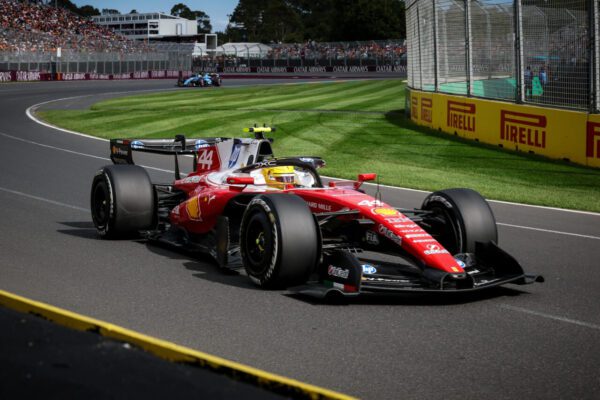
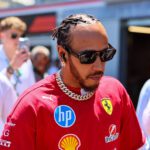
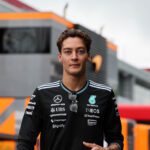
Mercedes driver George Russell noted that the long La Monumental corner ‘really hurts the tyres,’ suggesting that tyre degradation could be a key factor in the race. Lewis Hamilton, driving for Ferrari, also reported that his car became ‘more difficult’ as Friday’s sessions progressed, targeting balance improvements for qualifying.
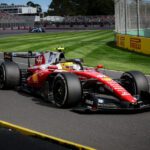
Ferrari arrived in Madrid aiming to rebound from a difficult Italian Grand Prix, where Charles Leclerc crashed and Lewis Hamilton finished sixth. Despite competitive pace shown in Friday’s FP2, the team acknowledges a persistent deficit in ‘pure power’ compared to rivals.
The Madring circuit, which replaces Circuit de Barcelona-Catalunya as the Spanish Grand Prix host, has been under construction since May 2025 at a cost of €83.2 million. Its debut marks Formula 1’s return to the Spanish capital after 45 years.