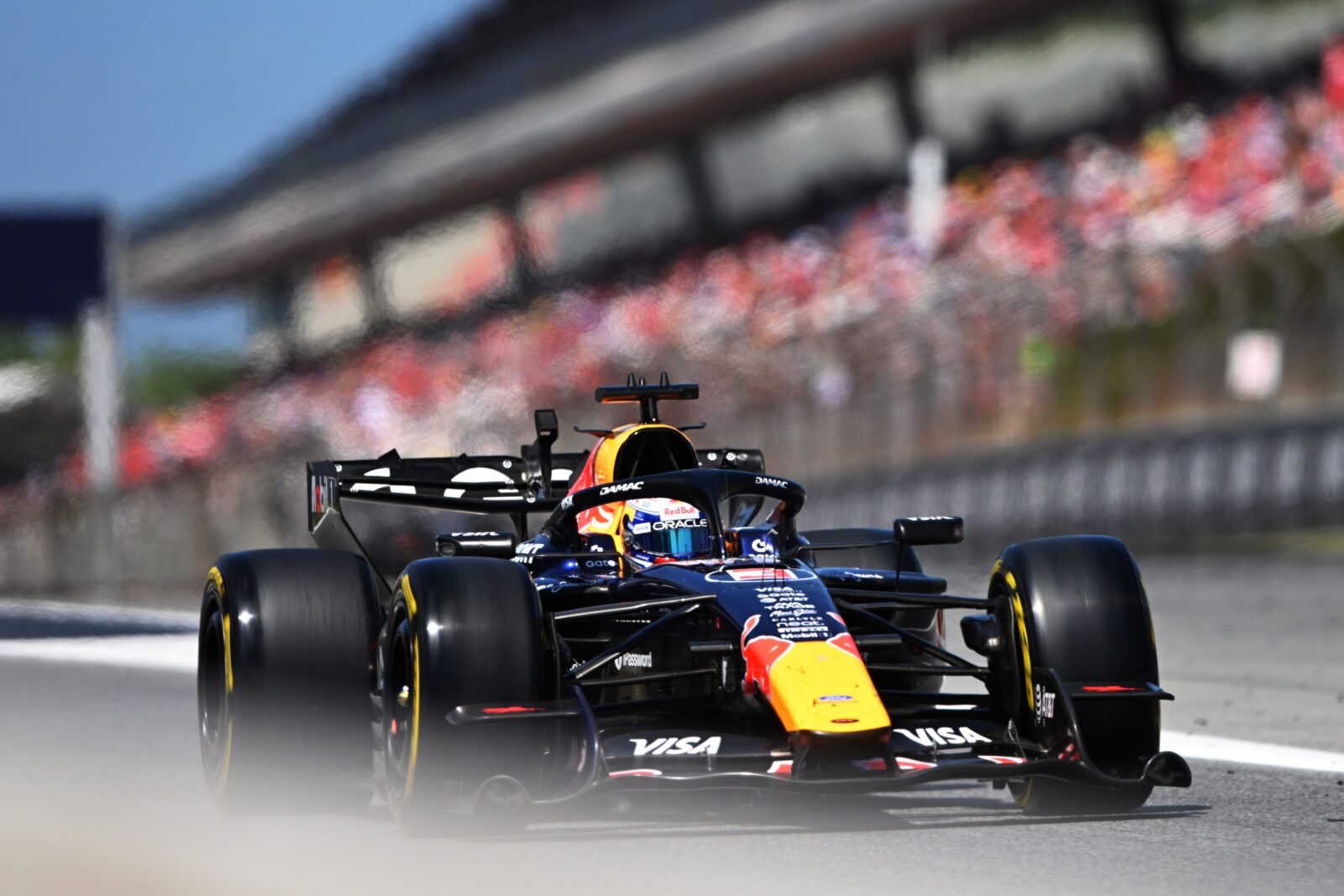
Red Bull Racing has encountered significant challenges during the initial half of the 2026 Formula 1 season. The team currently sits fourth in the Constructors’ Championship with 177 points after eleven rounds. They have yet to secure a Grand Prix victory this year, a notable departure from recent seasons.
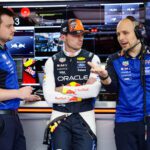
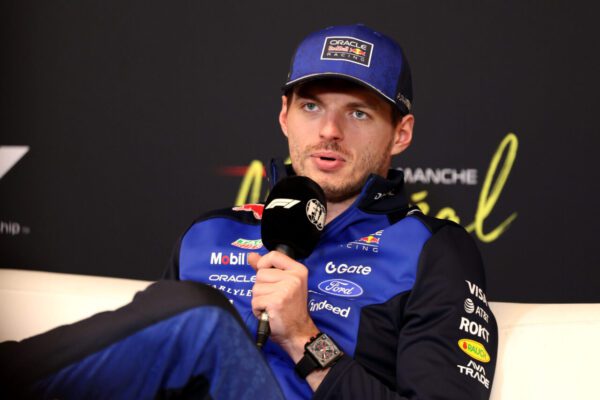
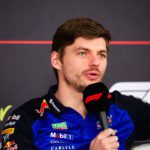
Max Verstappen has openly expressed his dissatisfaction with the performance of the RB22 car. The four-time world champion has highlighted severe balance issues and rapid tyre degradation as persistent problems. He noted that the team faces a different issue every race weekend.
Verstappen’s current contract with Red Bull Racing extends until the end of the 2028 season. However, his agreement contains a performance clause. This clause permits him to depart the team if he is not positioned within the top two of the drivers’ standings by the summer break.
As of the summer break, Verstappen is placed sixth in the drivers’ championship. This standing activates the exit clause, allowing him to consider alternative options for the 2027 season. Speculation has linked him with potential moves to Mercedes and McLaren.
Red Bull has reportedly presented Verstappen with a new contract offer. This proposed deal aims to extend his tenure until the end of 2029, or even 2031 according to some reports, and includes a substantial salary increase. Crucially, the new offer would remove the existing exit clause.
Verstappen’s camp has received the offer, but no official response has been issued. He is reportedly considering a one-year extension for 2027. His decision hinges on the team’s ability to develop a car capable of competing for the championship.
The Dutchman has a well-documented history of criticism regarding Netflix’s ‘Drive to Survive’ series. He ceased participating in interviews for the programme in 2021. Verstappen stated he does not wish to be part of a show that ‘fakes a lot of things’ and manufactures ‘false rivalries’.
His refusal to engage with the production means that his unfiltered reactions and candid frustrations, particularly concerning Red Bull’s current performance struggles, remain uncaptured by the documentary series. This stance ensures a distinct separation between the on-track reality and the series’ narrative.
The ongoing challenges at Red Bull Racing, coupled with Verstappen’s firm media stance, highlight a significant aspect of the current Formula 1 landscape. His commitment to factual representation contrasts with the dramatised portrayal often seen in popular media.