



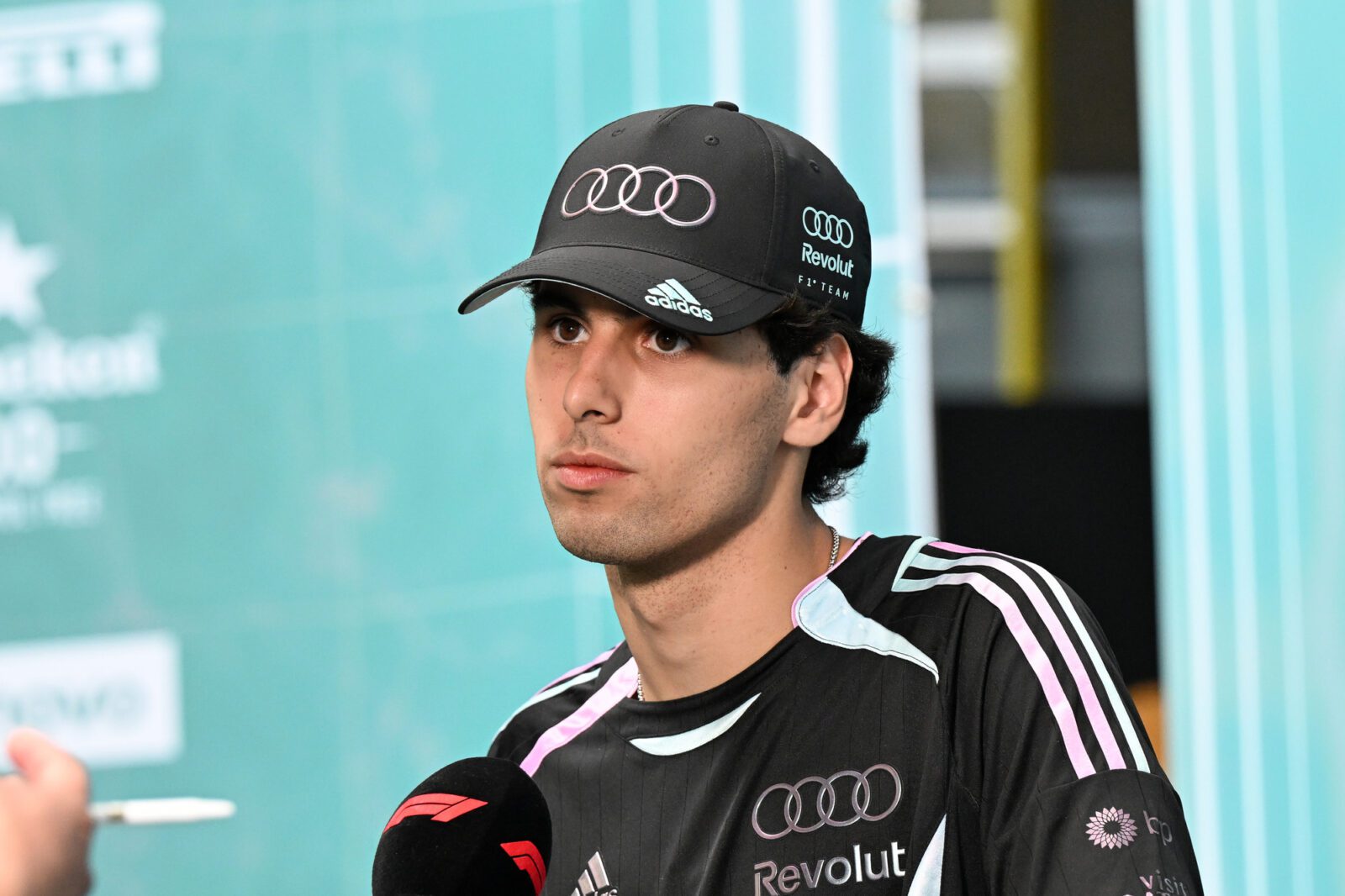
Gabriel Bortoleto has publicly defended Formula 1’s 2026 technical regulations, urging fellow drivers to cease criticism and adapt to the new era. The Audi driver’s comments contrast sharply with widespread paddock dissatisfaction regarding the current car specifications.
Bortoleto stated that the sport has not ‘lost the magic,’ highlighting the continued challenge of high-speed corners. He referenced driving through Copse at 280 km/h, requiring a lift off the throttle.
The Brazilian driver emphasized that the 2026 cars represent a new chapter for Formula 1. He believes complaints are overdone, as these regulations are set to remain in place until 2030.
Bortoleto questioned the utility of continuous negativity, suggesting that drivers should instead focus on adapting. He secured Audi’s first points of the season with an eighth-place finish at Silverstone.
His stance notably diverges from that of his mentor, Fernando Alonso, who manages Bortoleto’s career through A14 Management. Alonso has voiced concerns about the new rules.
‘There is not any driver input, or driver talent needed to overtake a car in front of you,’ Alonso said. ‘You don’t need to out-brake anyone, you don’t need to overtake on the outside, you don’t need to take any risk. You just need to press one button.’
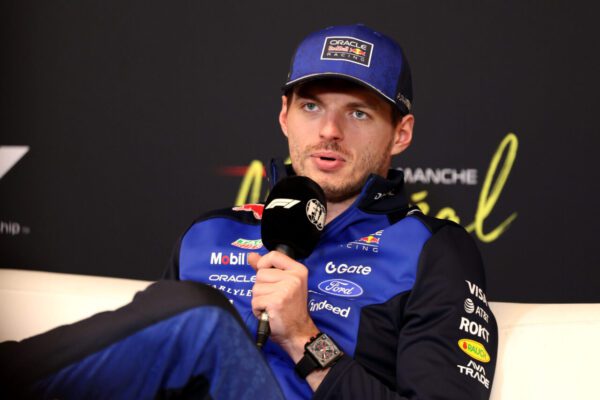
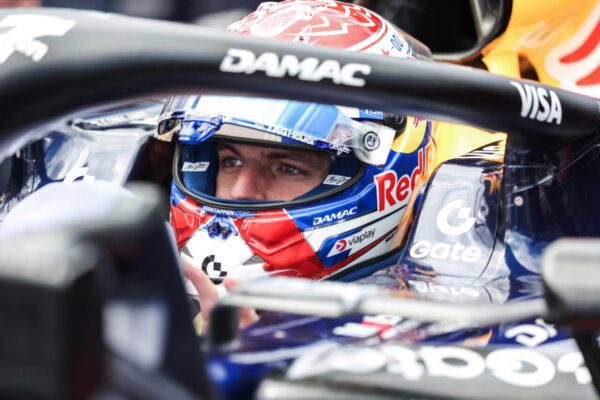
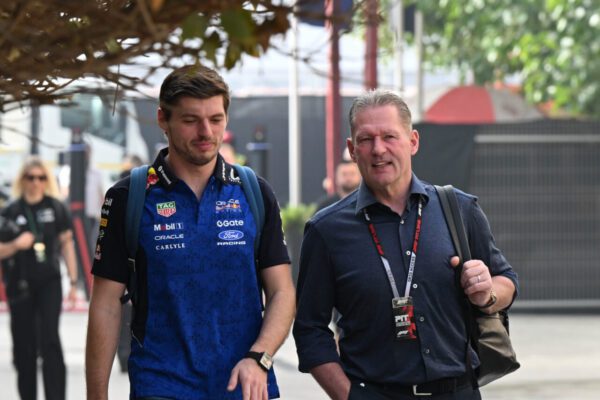
Max Verstappen has been a prominent critic of the 2026 regulations since their introduction. He described the cars as ‘not very Formula 1-like’ and ‘anti-racing.’
Verstappen also likened the new formula to ‘Formula E on steroids,’ expressing dissatisfaction with the energy management demands. He indicated that a winning car alone is insufficient if it is not enjoyable to drive.
The four-time world champion further claimed that fans who appreciate the 2026 rules ‘don’t understand racing.’ F1 CEO Stefano Domenicali addressed Verstappen’s grievances in April.
The 2026 technical regulations introduced significant changes to car design and energy management. Power unit output is now split almost 50/50 between the internal combustion engine and electric power.
This shift places a substantial emphasis on energy recovery during races. Active aerodynamics, allowing dynamic adjustment of front and rear wings, are also a new feature.
Minor adjustments to the deployment regulations were implemented at the Miami Grand Prix to alleviate energy management issues. Further revisions are anticipated for the 2027 and 2028 seasons.
These future changes include increasing the internal combustion engine output through higher fuel flow limits. The ongoing debate highlights differing perspectives within the paddock on adapting to the new technical framework.